How Do You Choose a Sanding Brush for a Profile Without Damaging Its Edges?
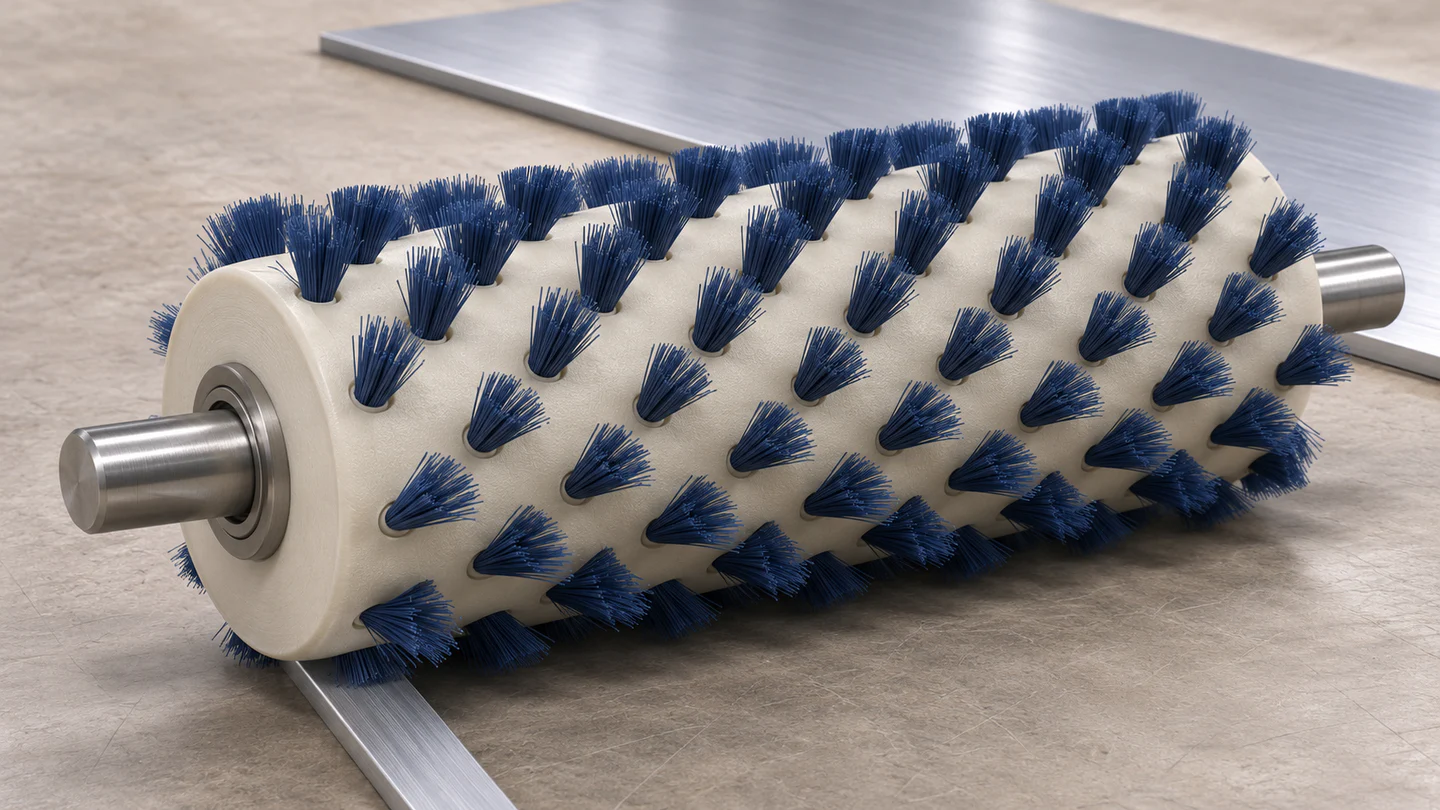
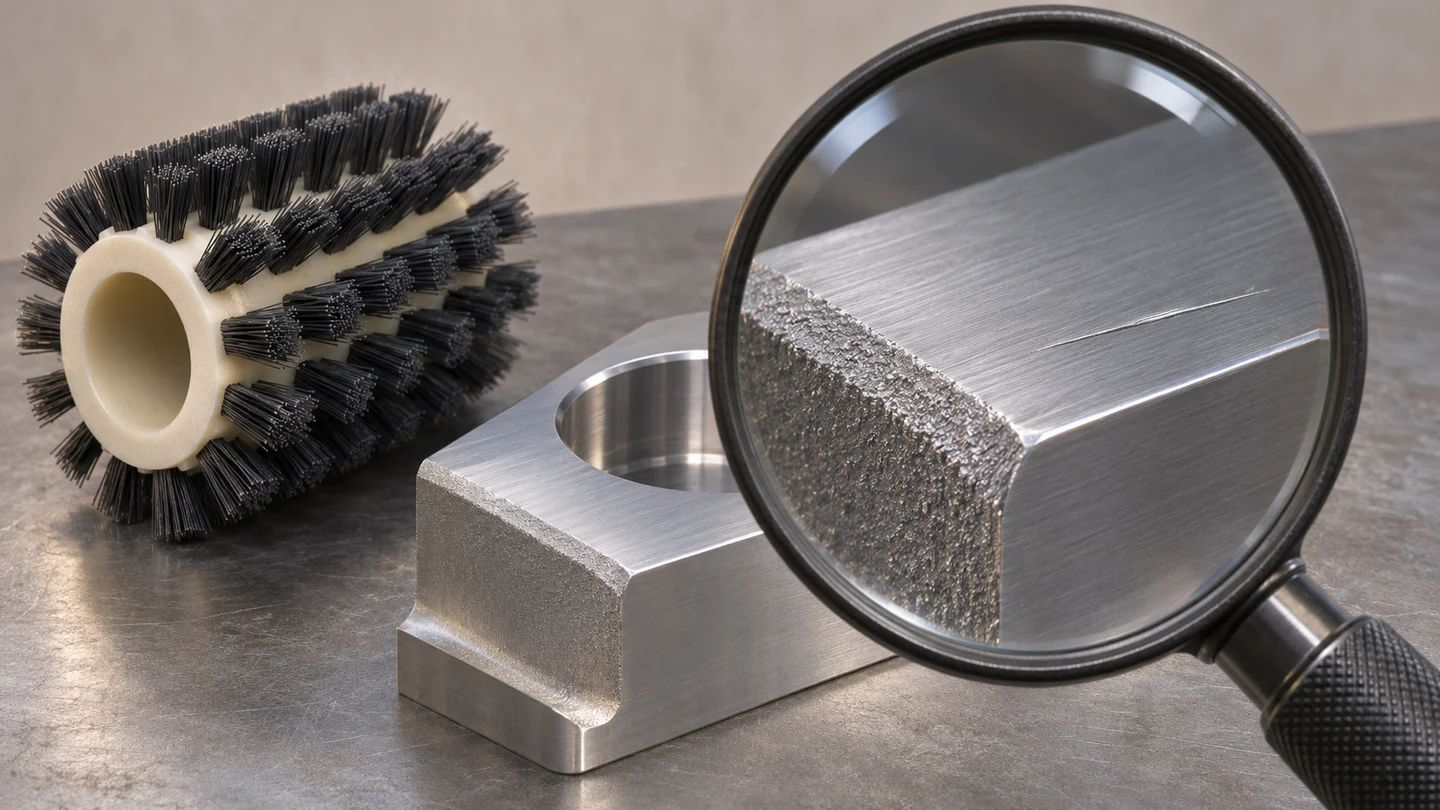
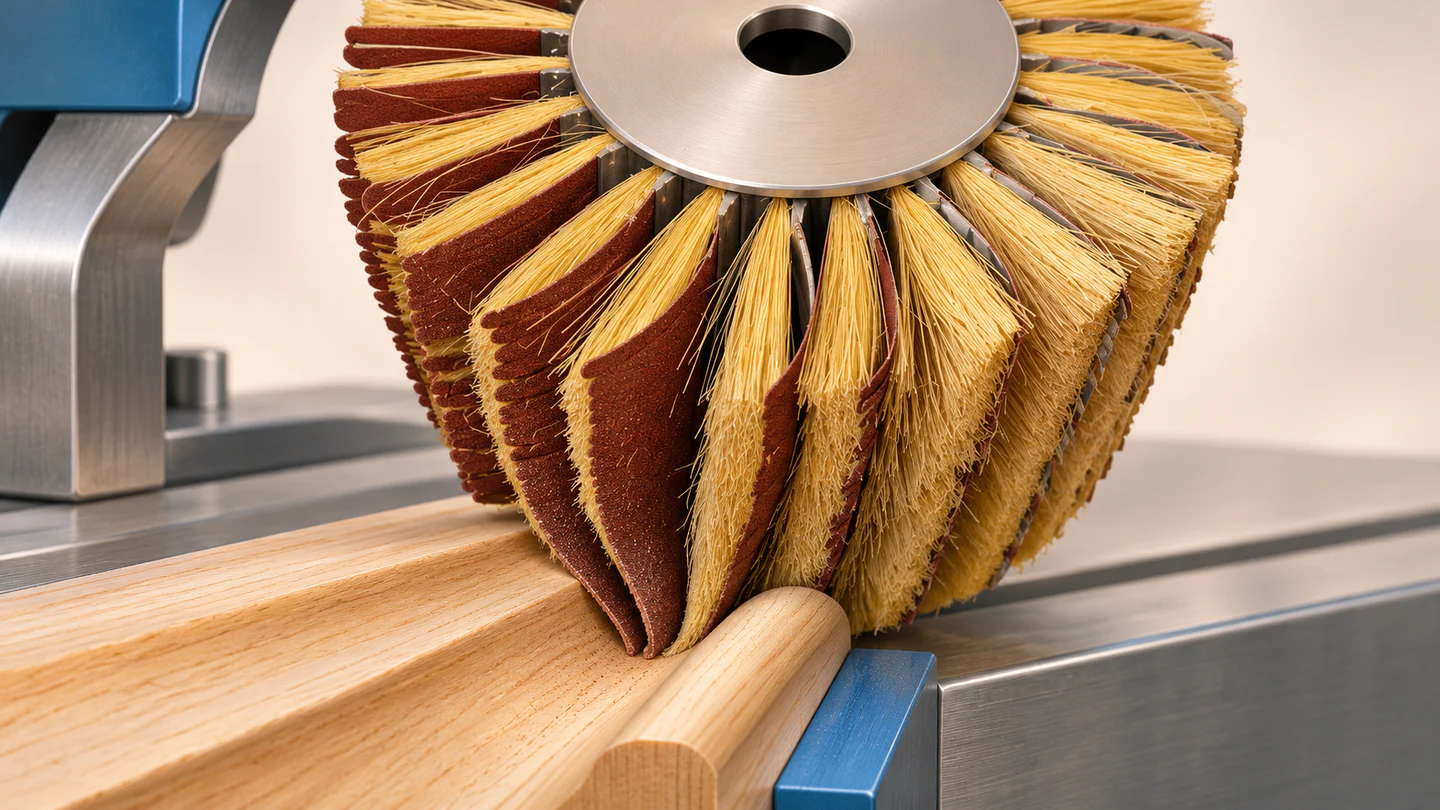
Choose a profile sanding brush by checking groove access, edge retention and face finish. Compare raw wood, sealer coats and vulnerable veneer on real profiles.
Read guide Industrial brush manufacturing
Practical advice on brush selection, materials and maintenance.
Choose a profile sanding brush by checking groove access, edge retention and face finish. Compare raw wood, sealer coats and vulnerable veneer on real profiles.
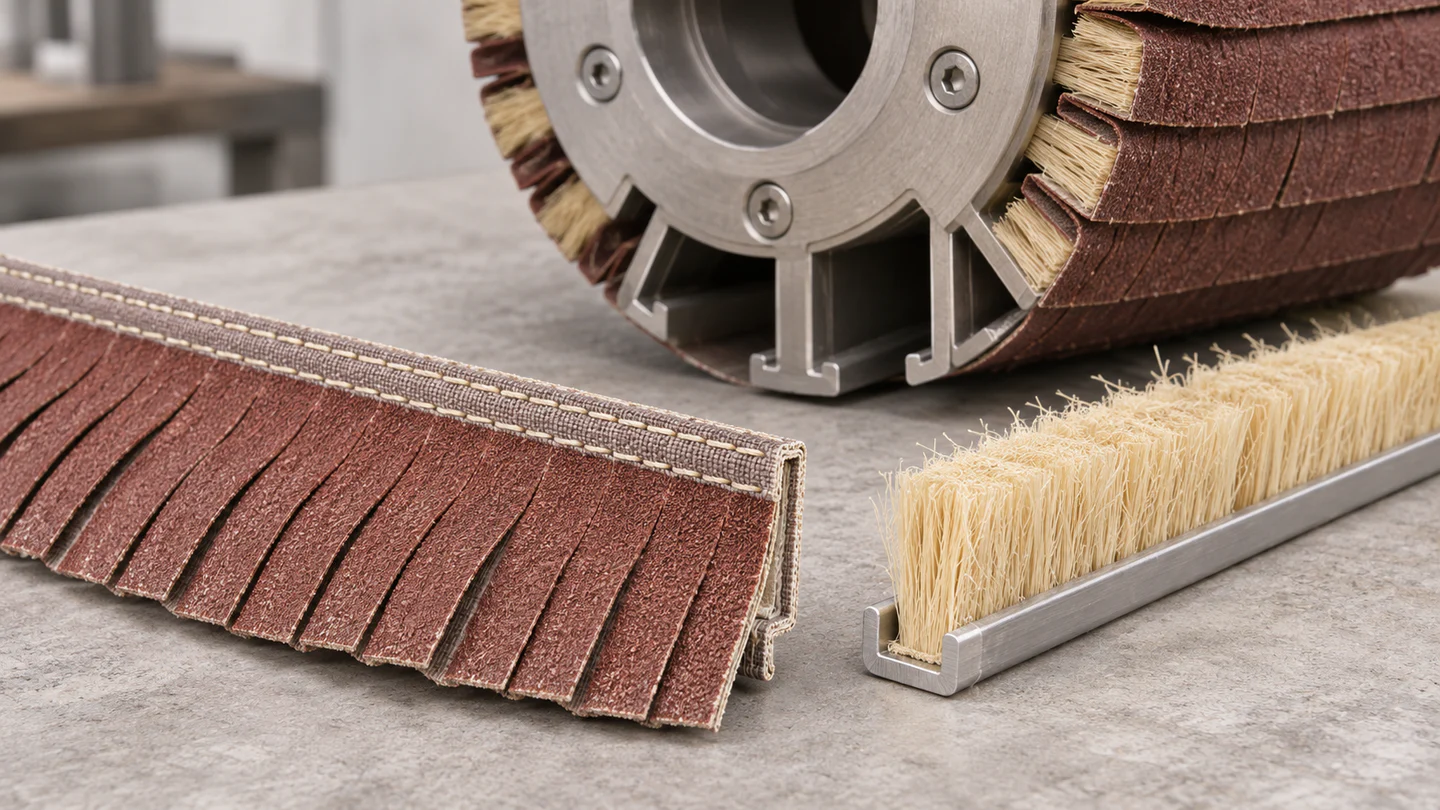
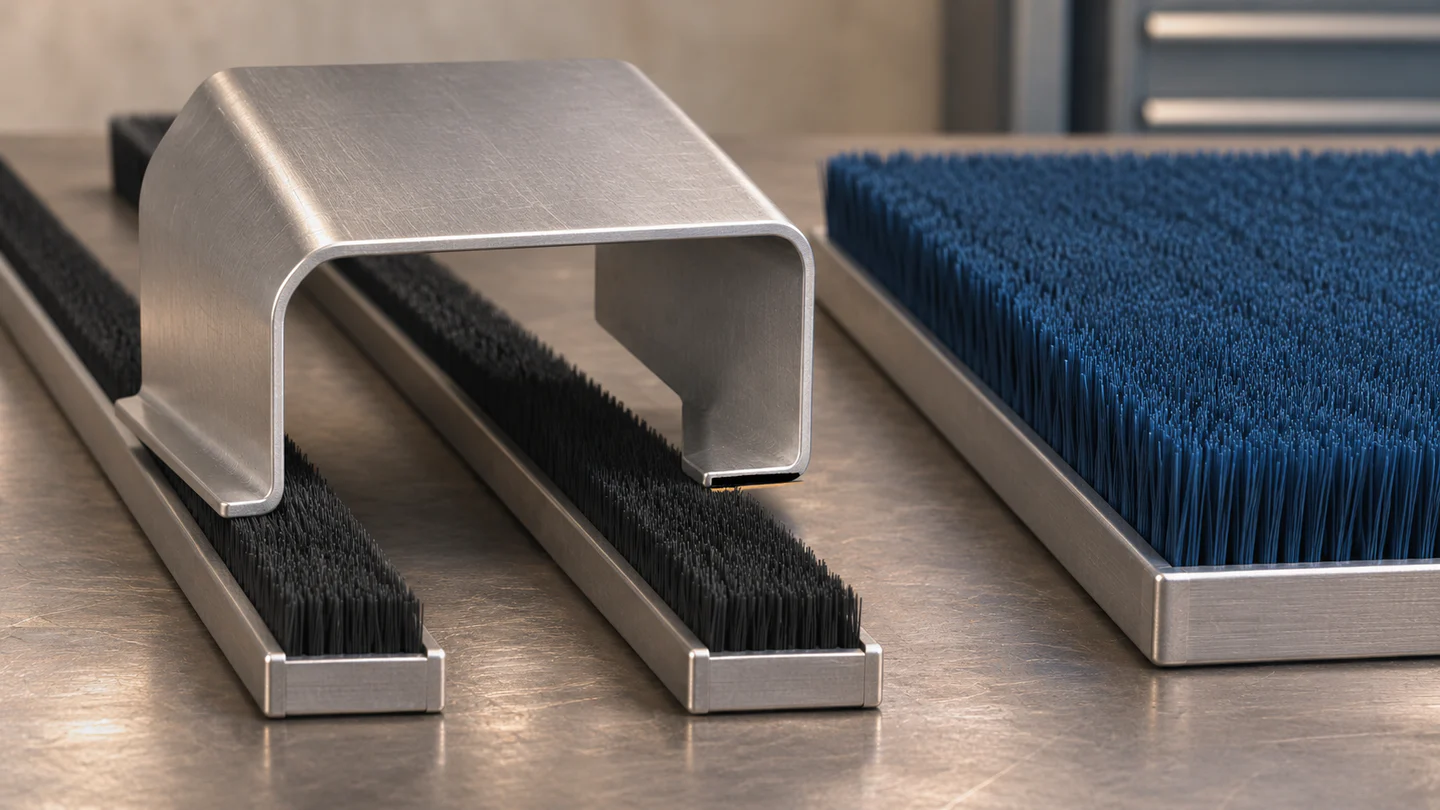
Read guideMatch sanding-strip mounting edges, exposed abrasive and sisal support to the retained head. Distinguish fit, profile access and complete spare sets.
Read guideChoose an inward coil brush by rod size, free opening, holder fit, pitch and fill. Diagnose uneven cleaning and check joints, coated stock and wet wiping.
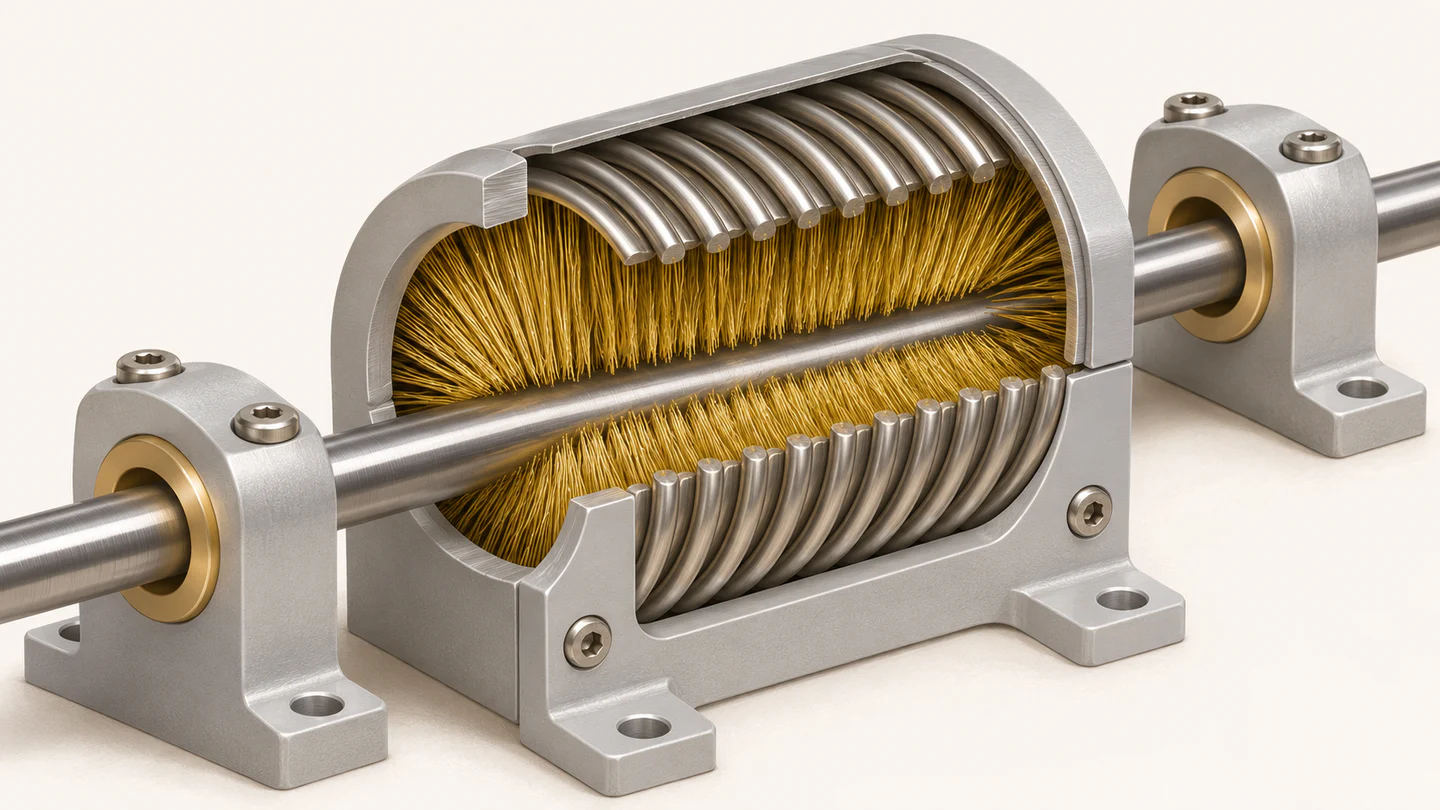
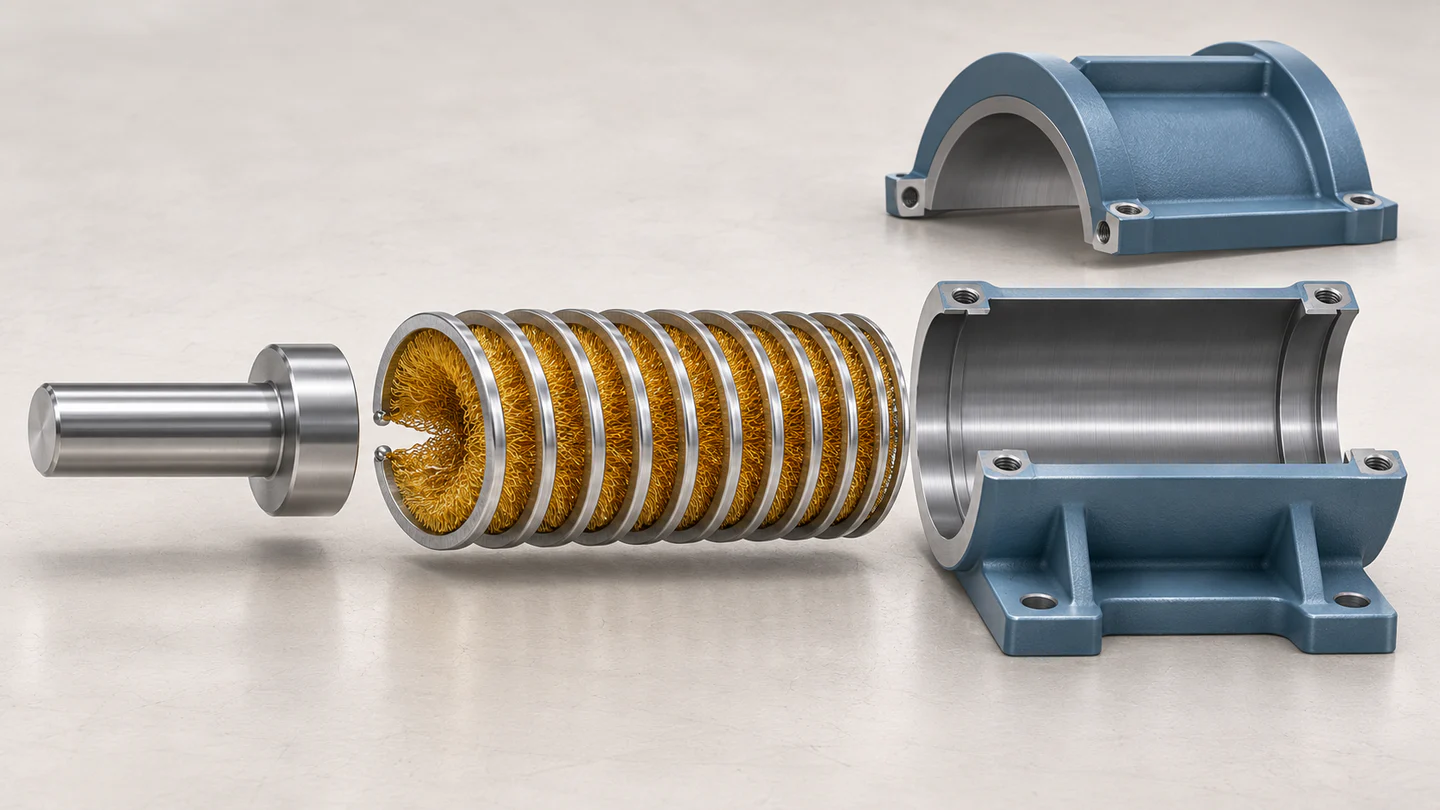
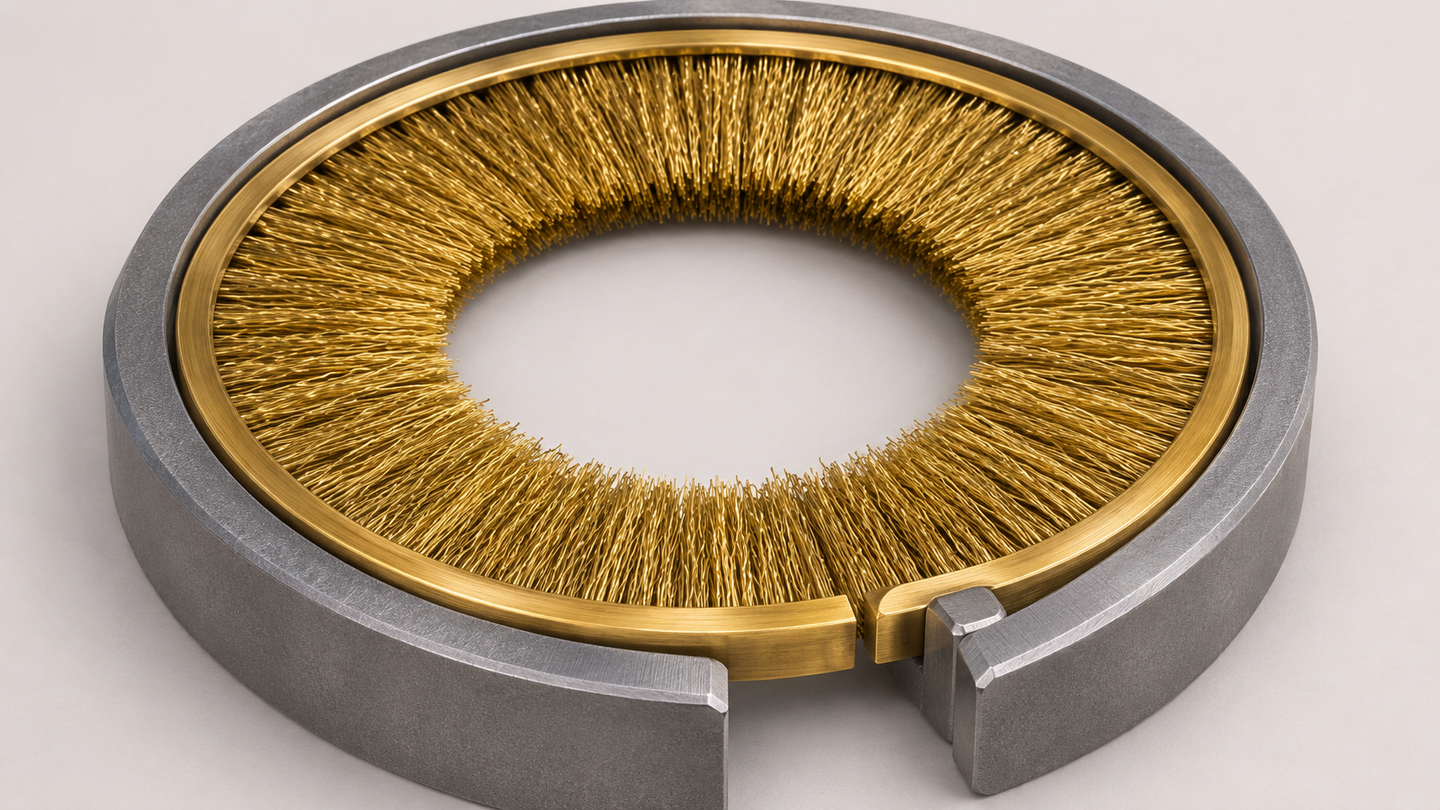
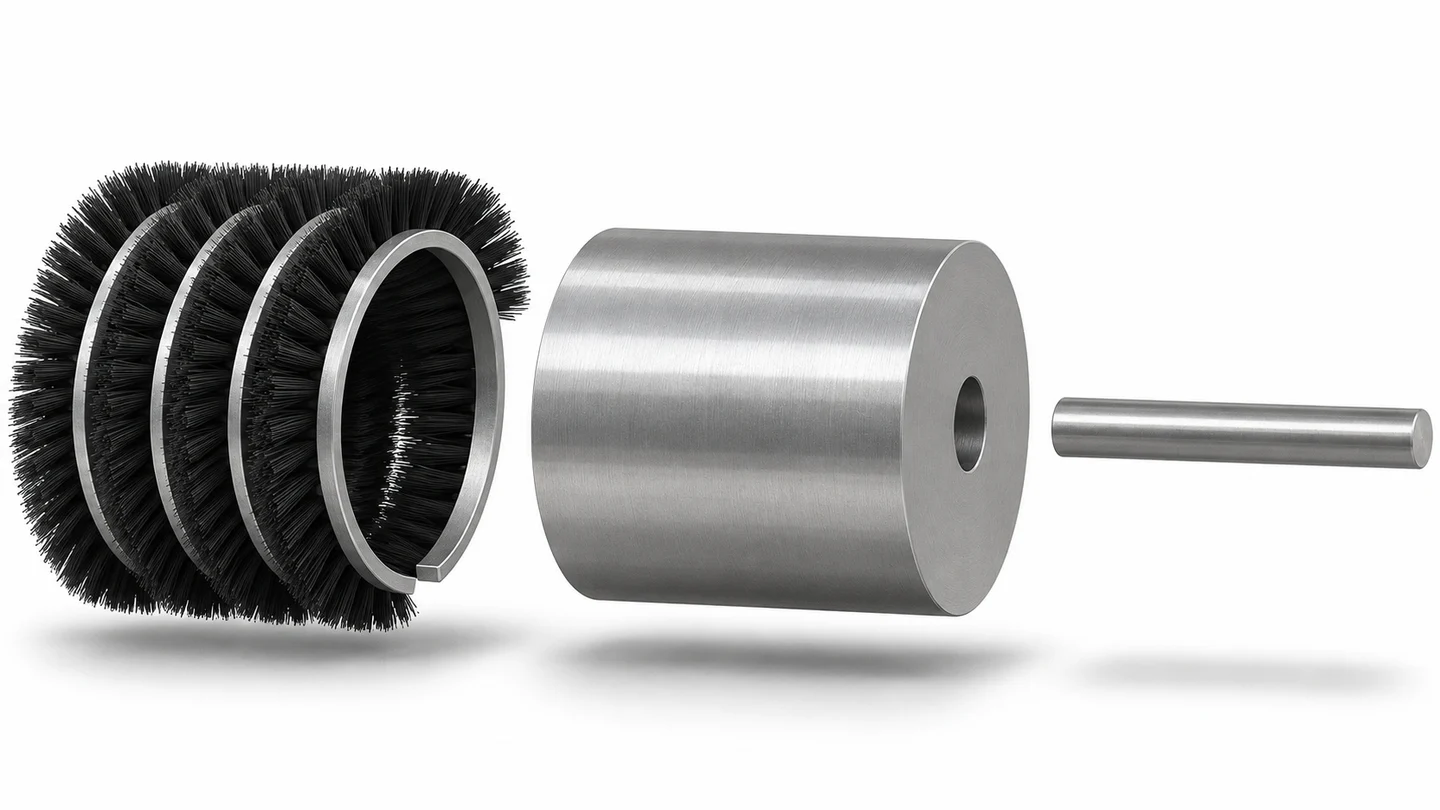
Read guideCheck inward coil brush access, split-ring construction, holder support, guide alignment and the parts needed for a replacement that can be installed.
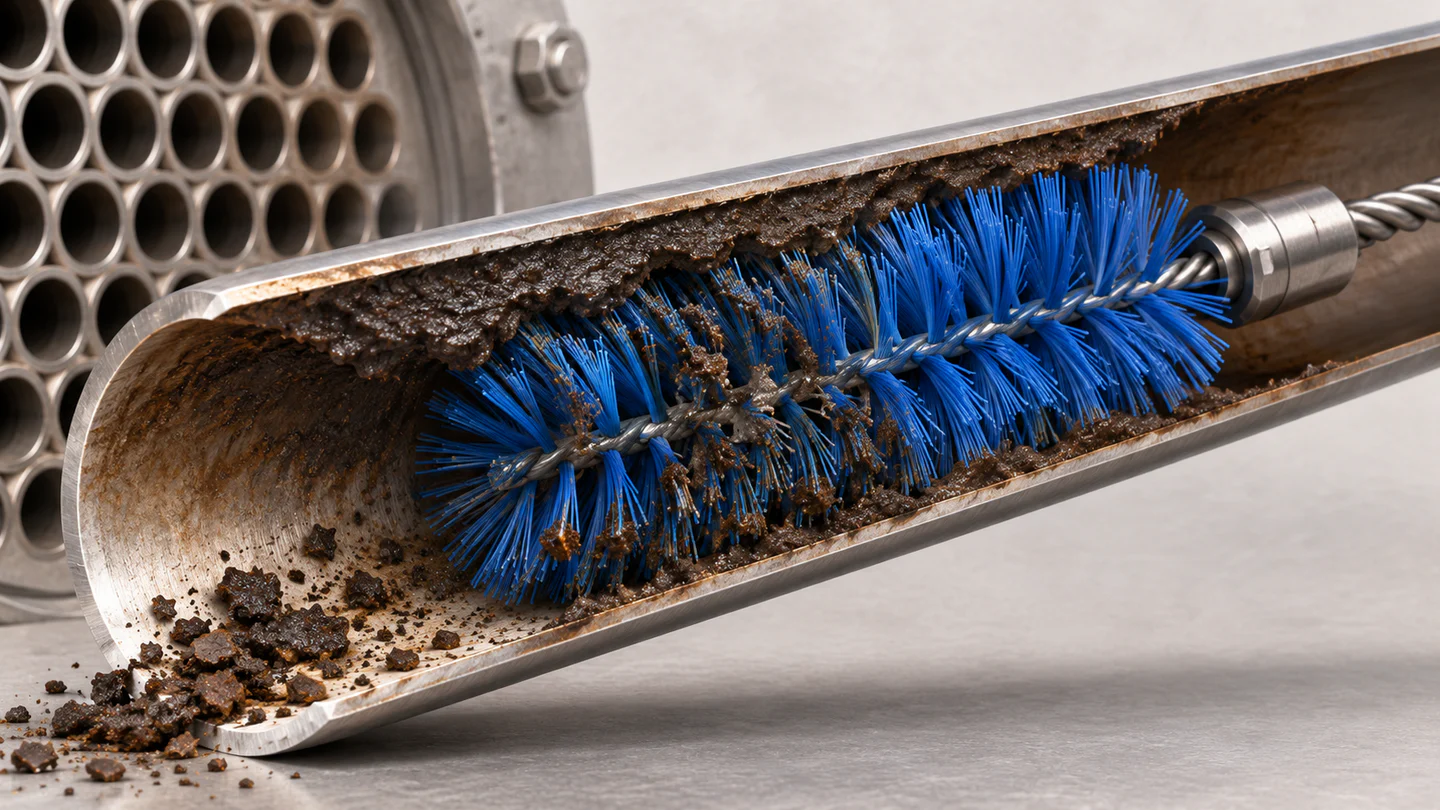
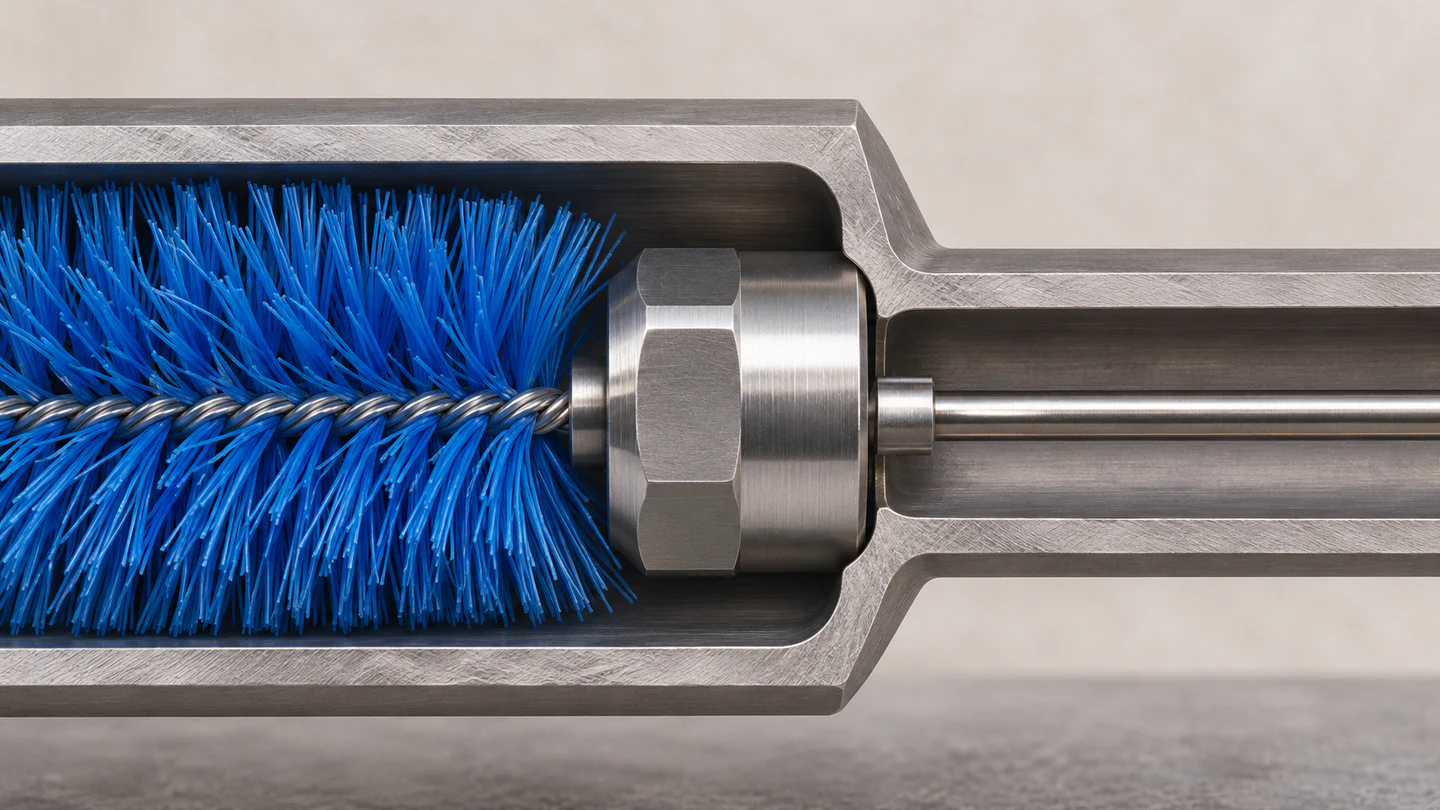
Read guideChoose tube brush fill by deposit behaviour, tube surface and debris removal. Compare nylon, copper and wire constructions in realistic cleaning conditions.
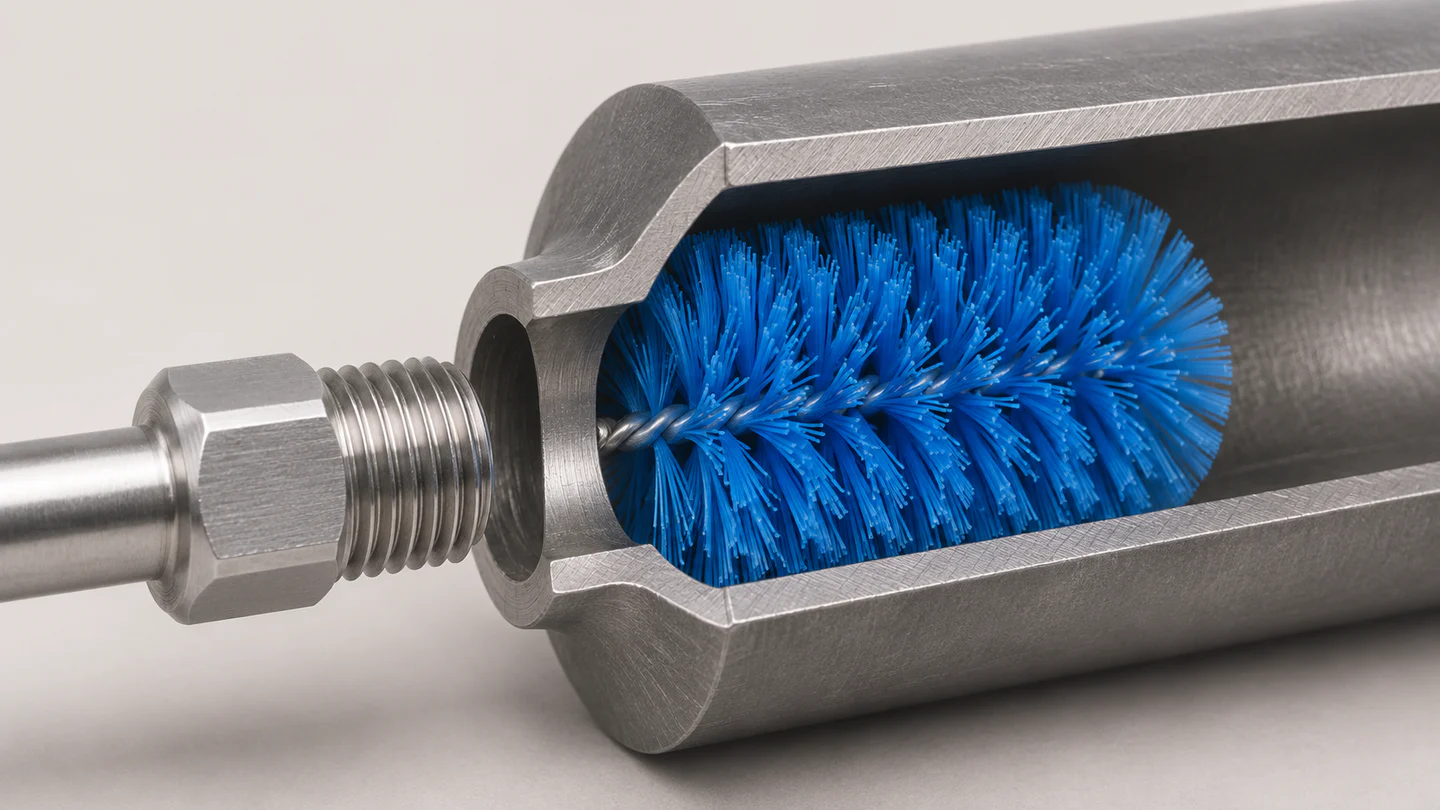
Read guideMatch a threaded tube brush to the actual rod by pitch, seating, connector clearance and useful reach. Understand M6 and M10 product dimensions before ordering.
Read guideChoose tube brush size by the actual bore, entrance, connector and route. Compare smooth, enhanced and curved tubes before requesting a sample.
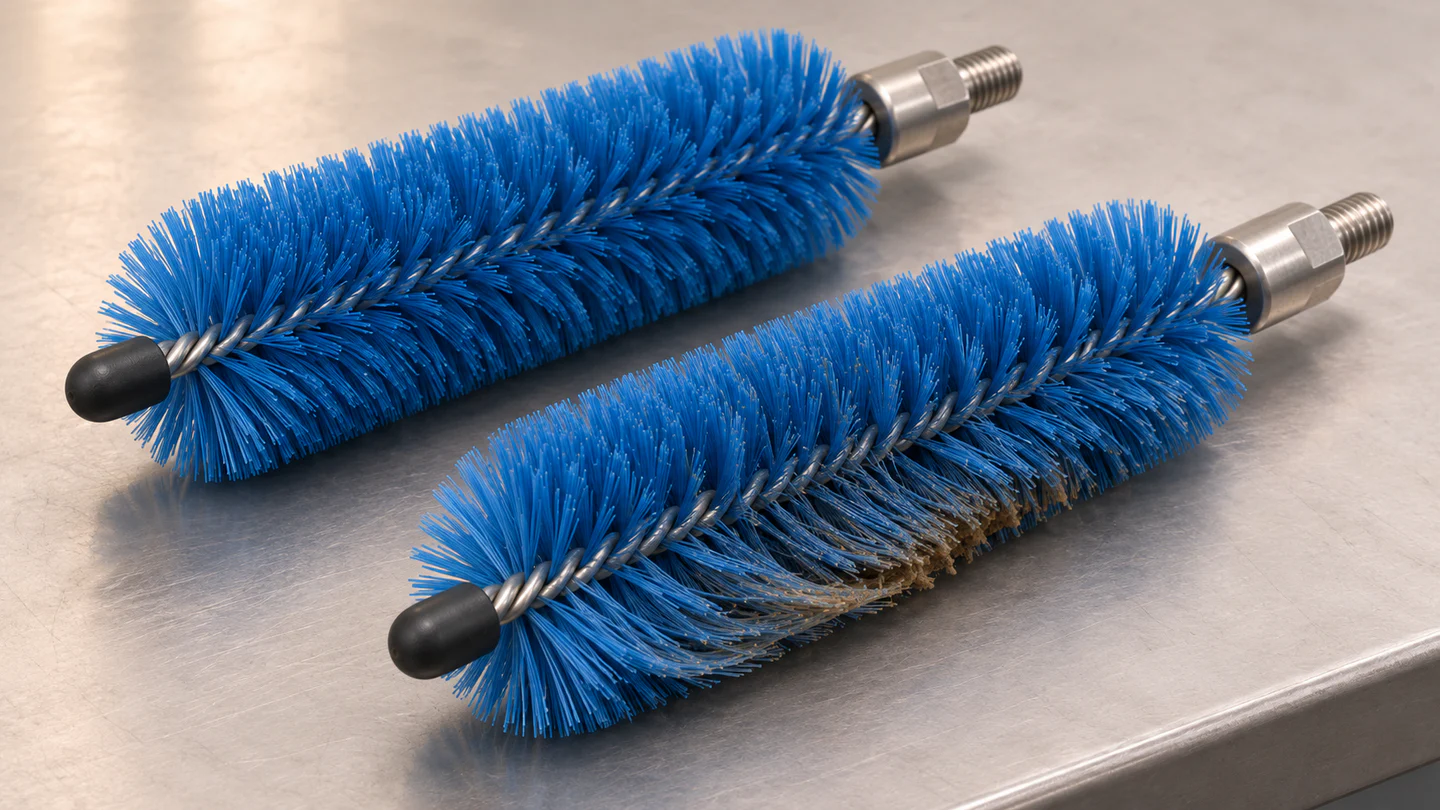
Read guideDistinguish worn fill, trapped deposits, damaged tips and a changed cleaning task before buying replacement tube brushes. See the physical signs and storage supports.
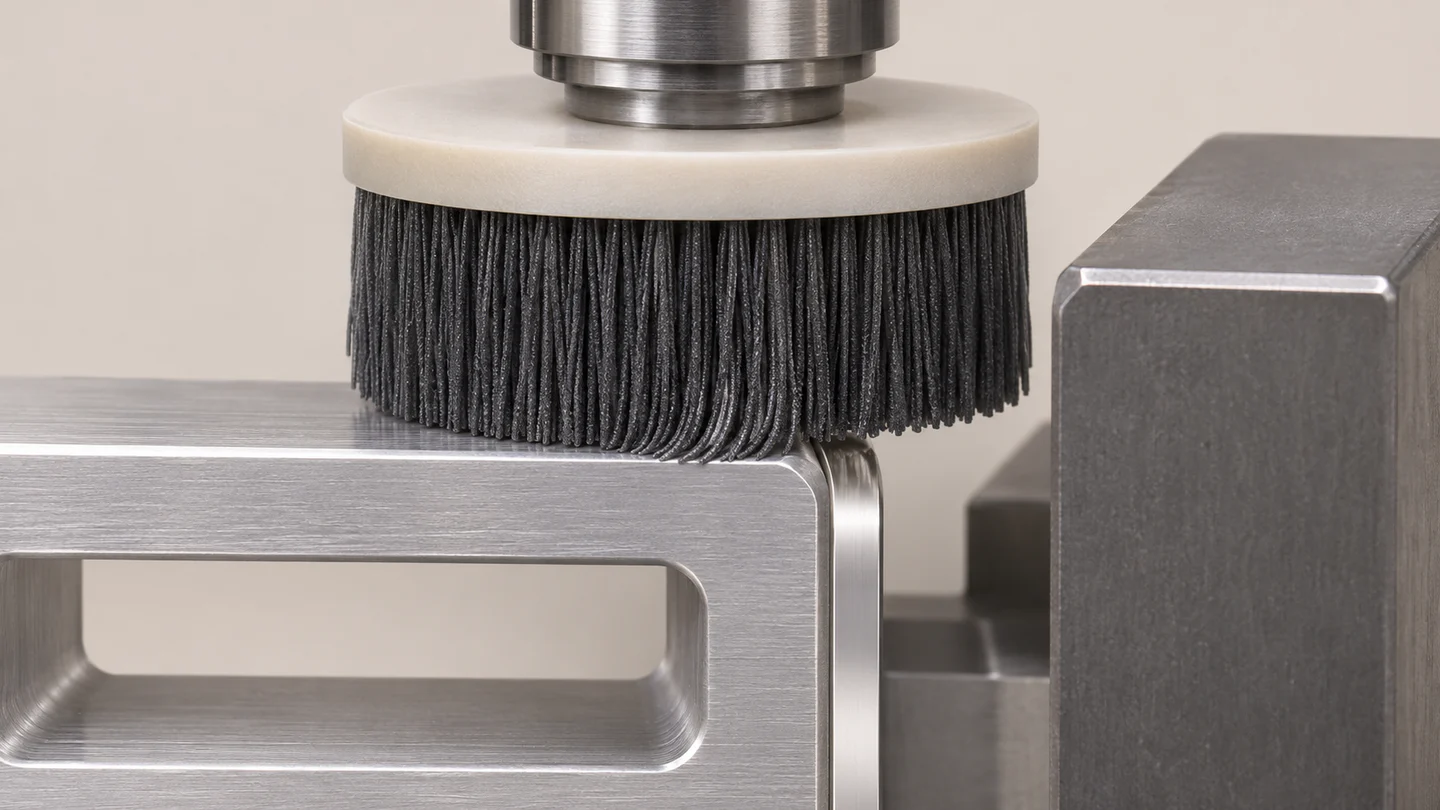
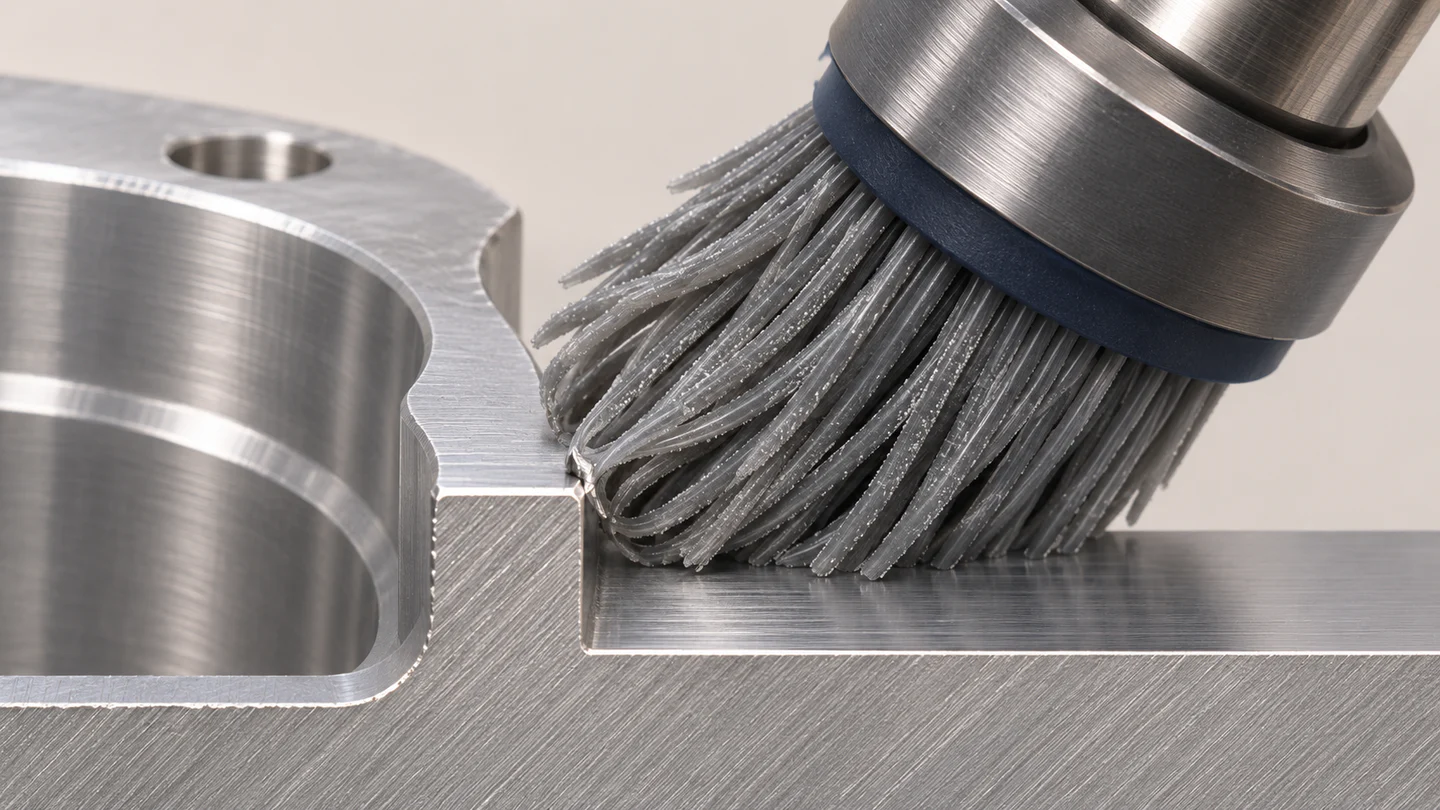
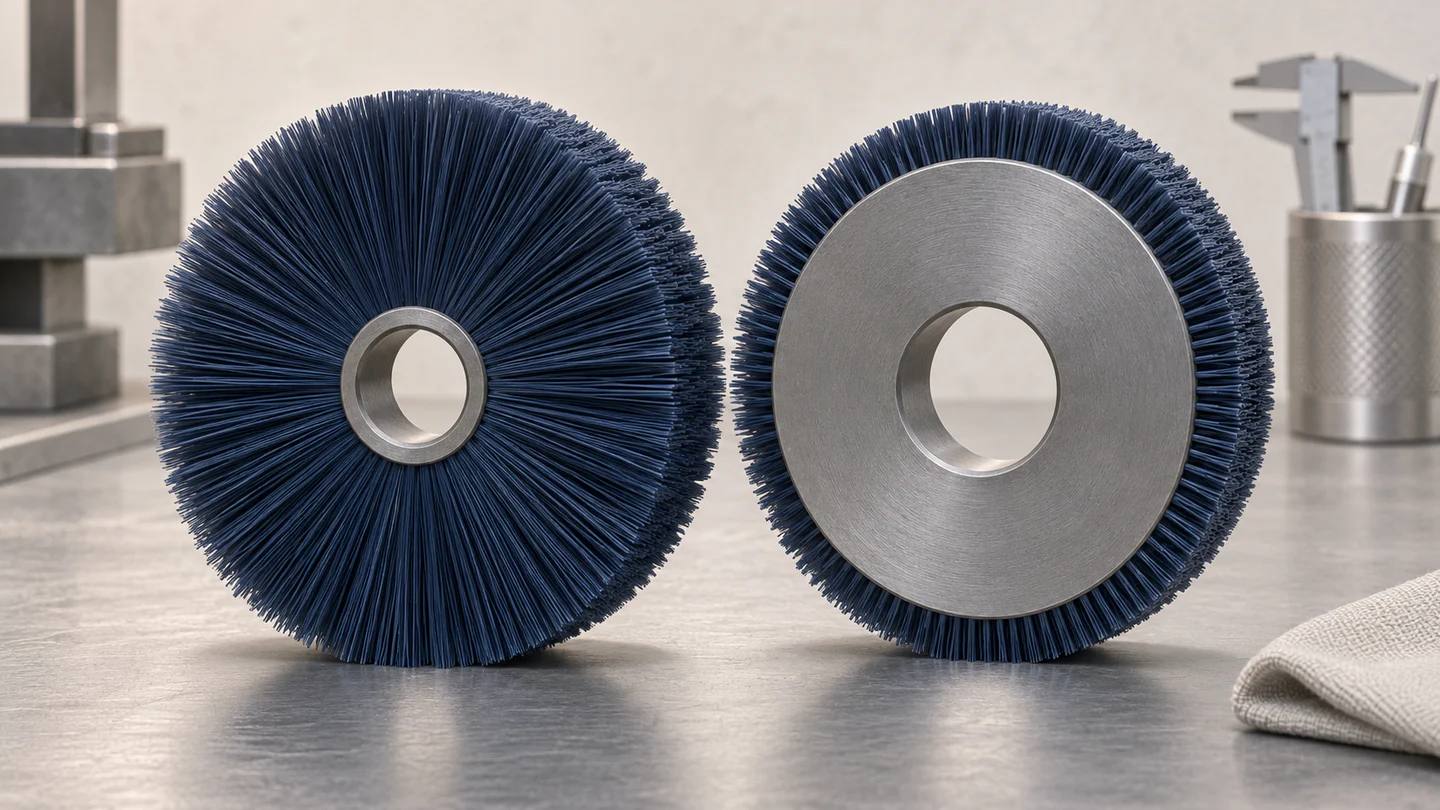
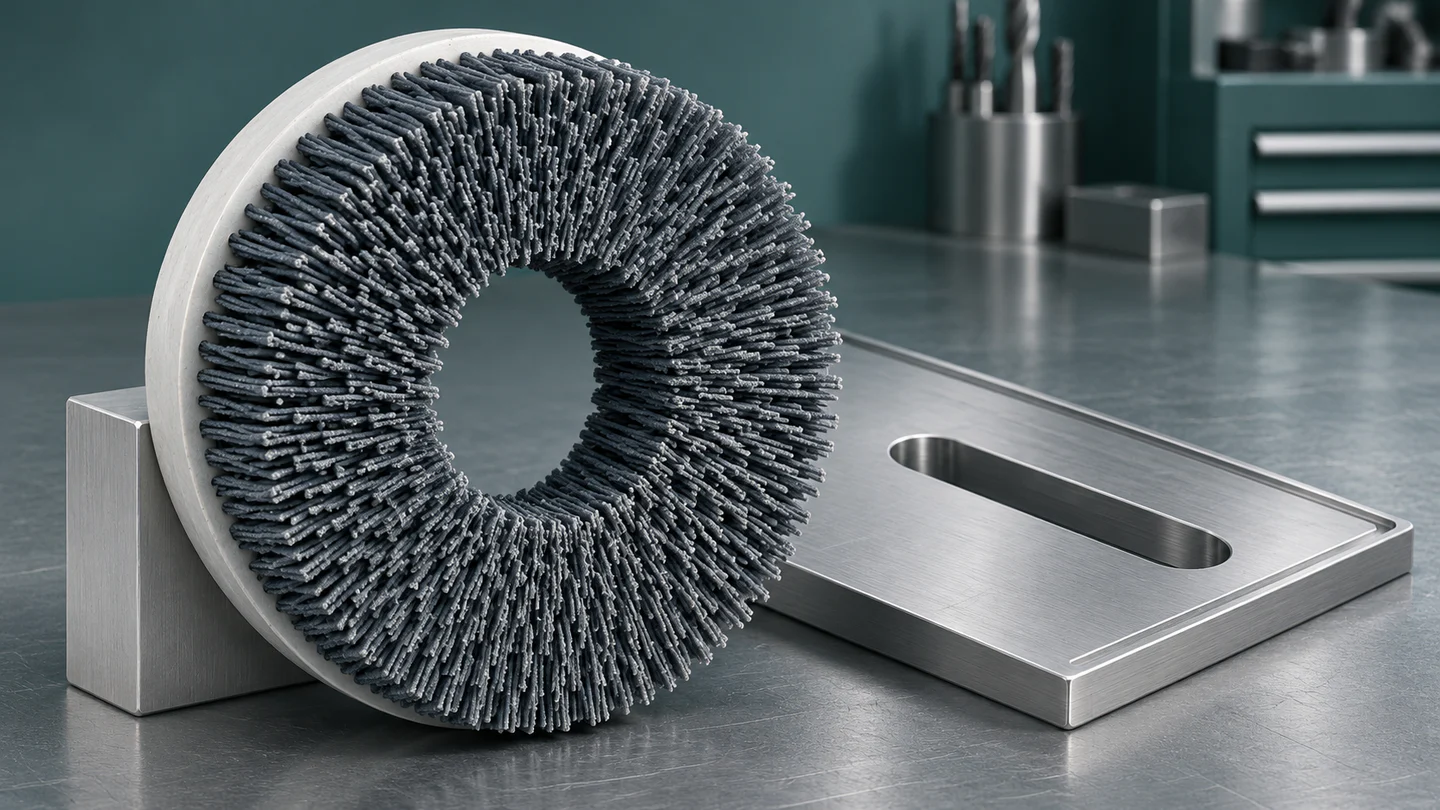
Read guideChoose a deburring disc brush by burr shape, filament contact, protected surfaces and mounting. Compare two 120 mm abrasive nylon discs and plan a useful trial.
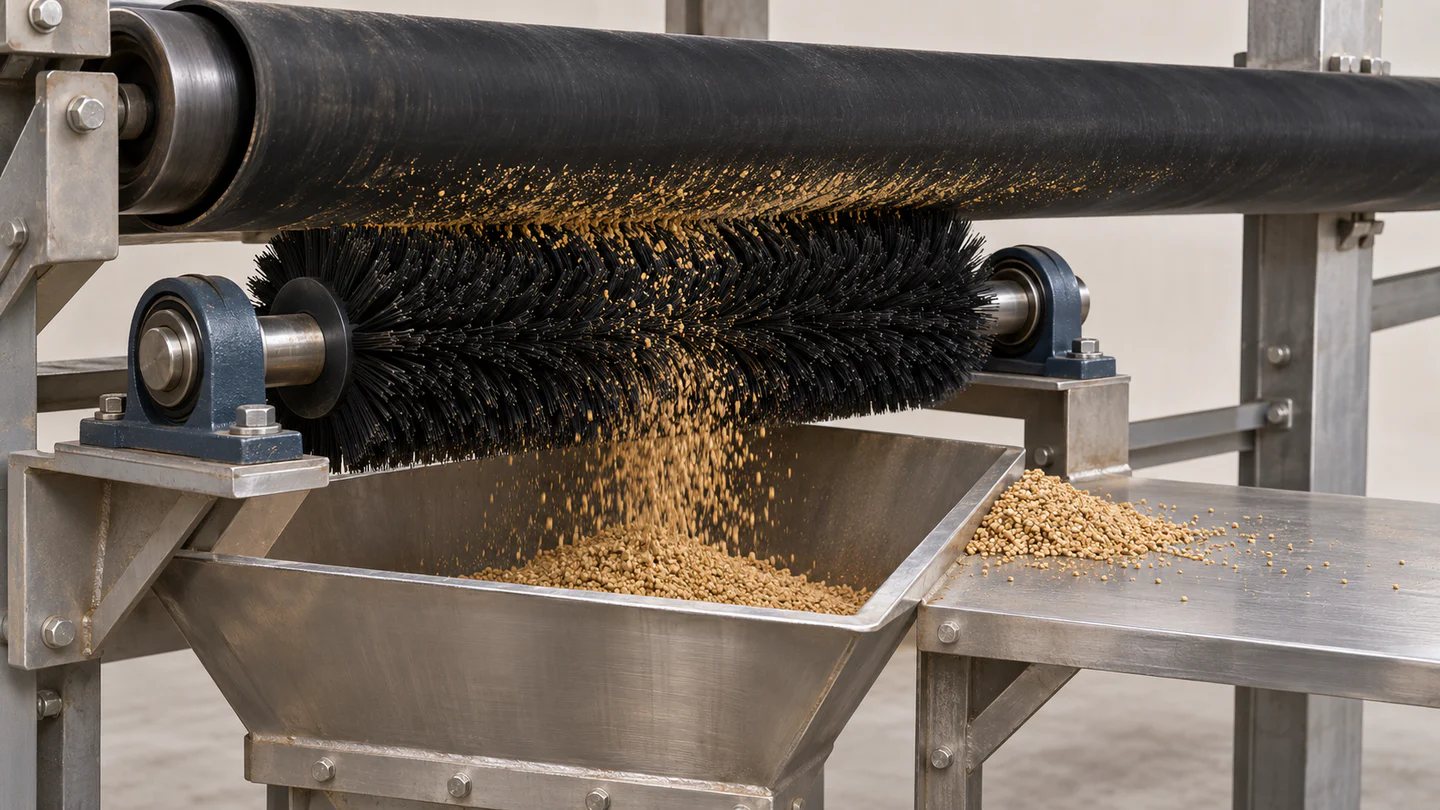
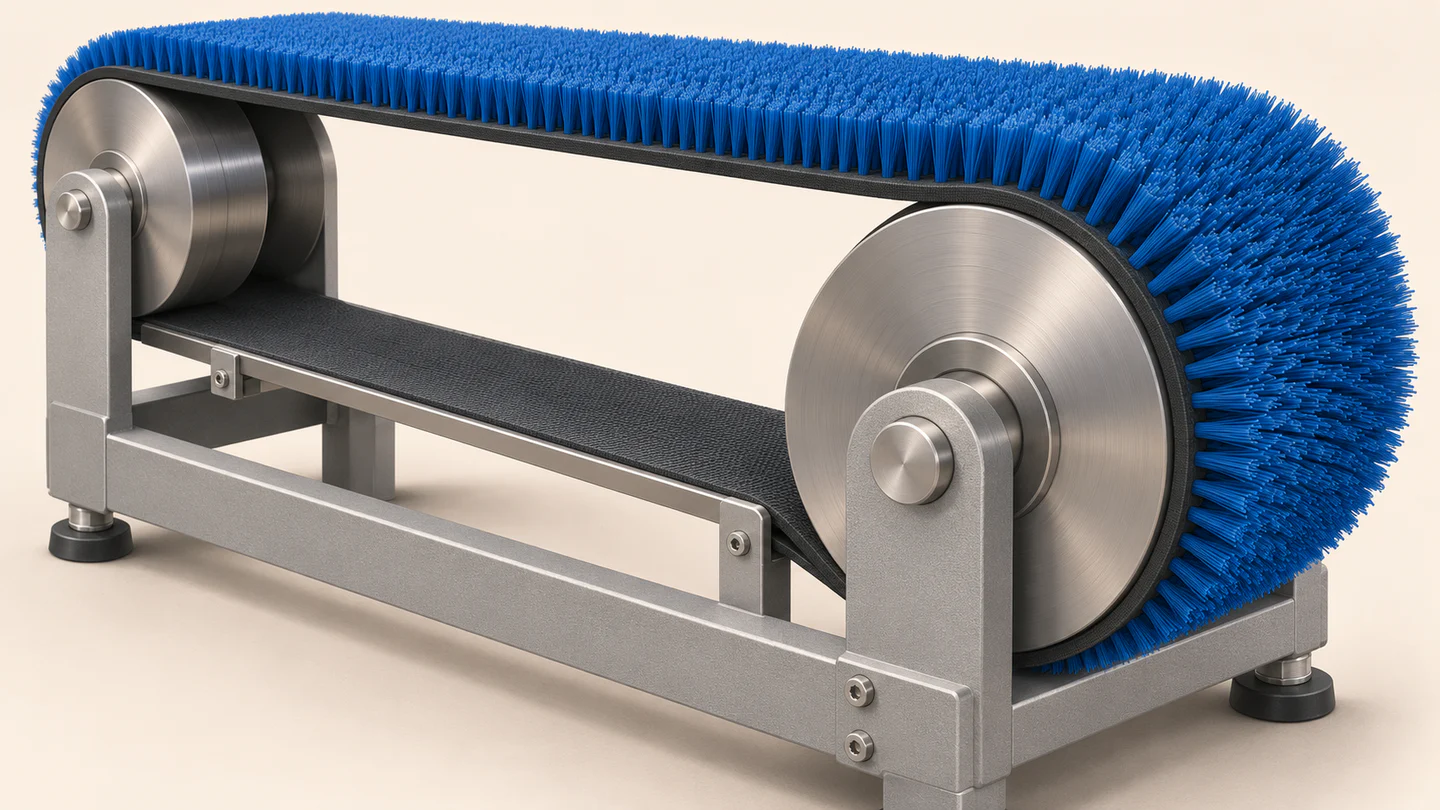
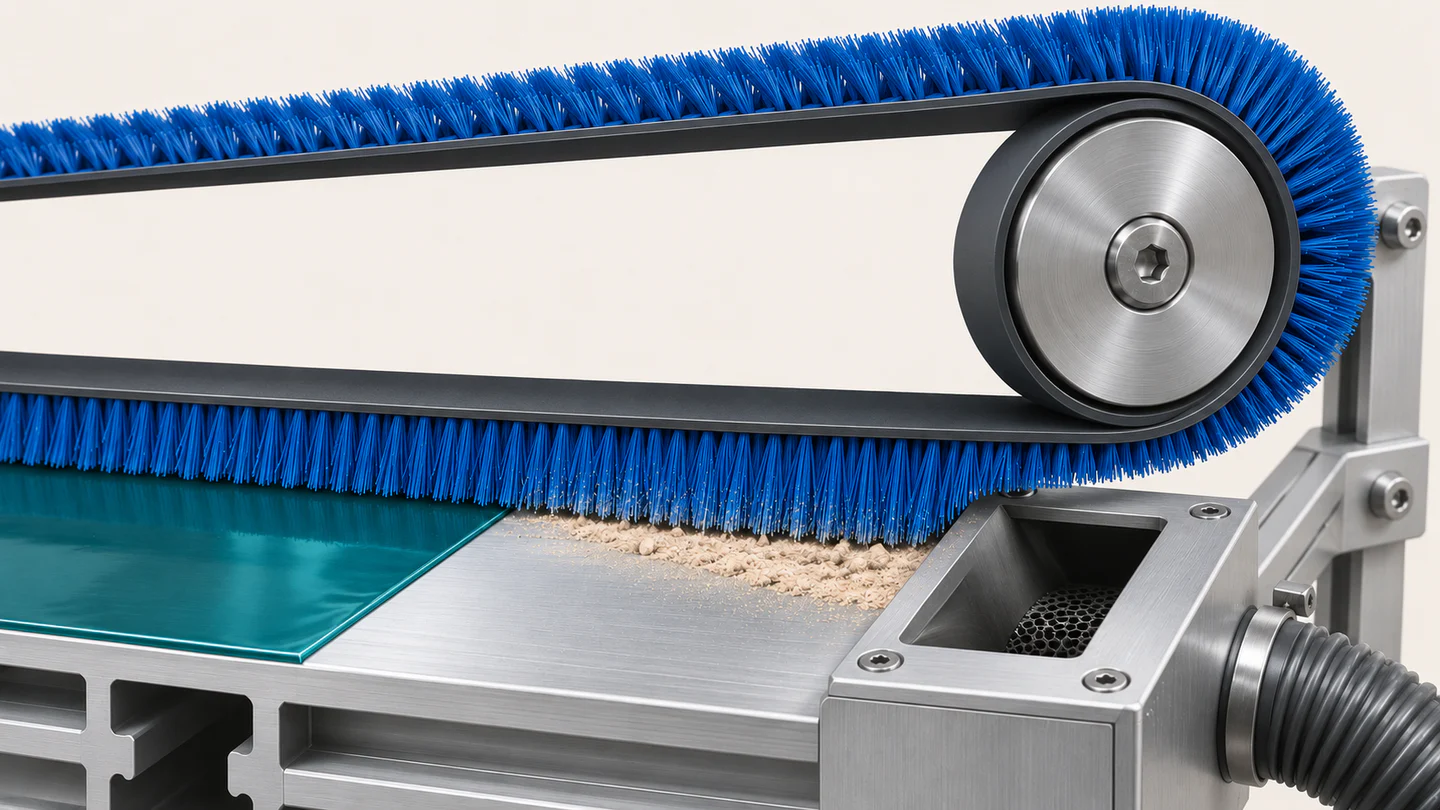
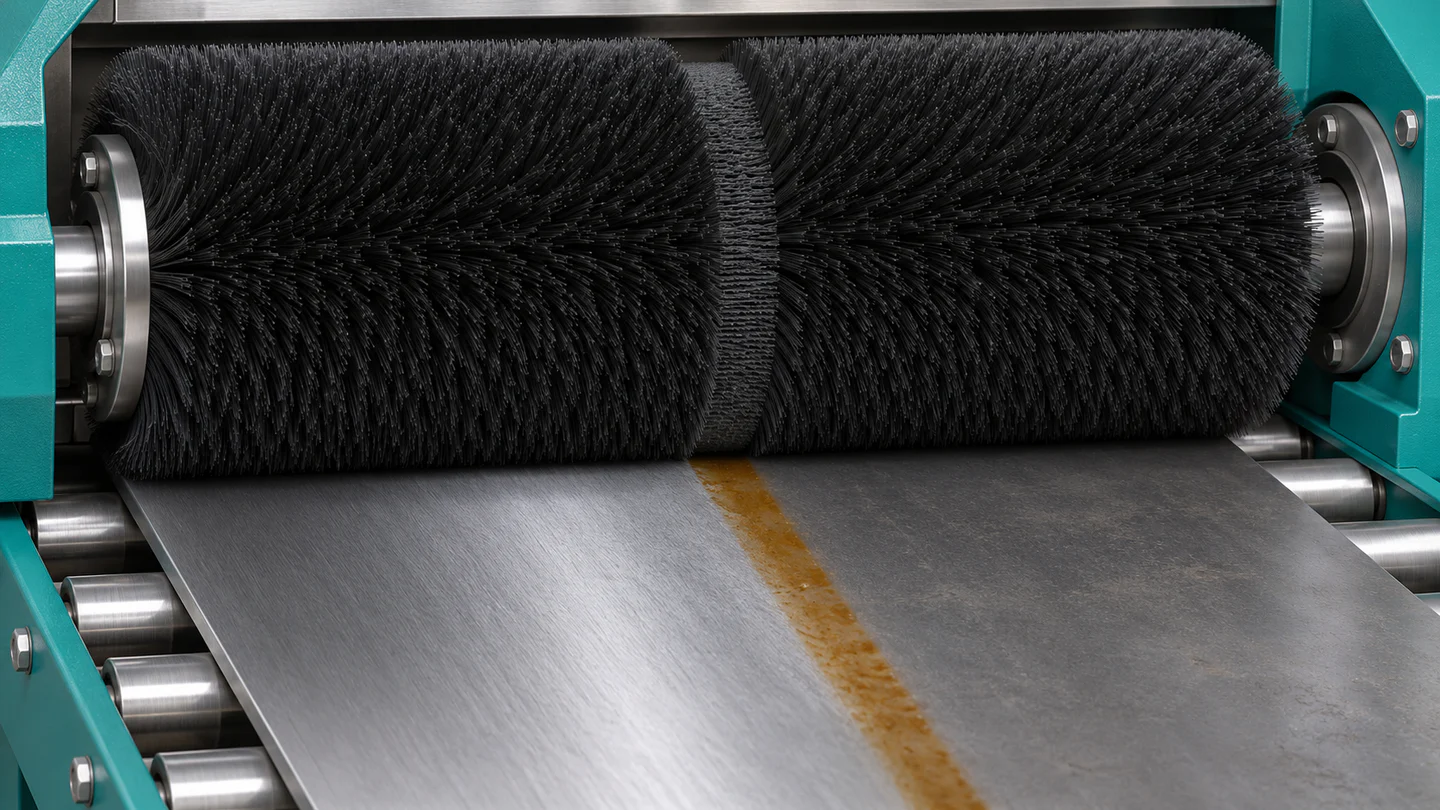
Read guideDiagnose dirty bands, profiled-belt recesses, damp brush loading and escaped residue before choosing a conveyor cleaning brush and collection layout.
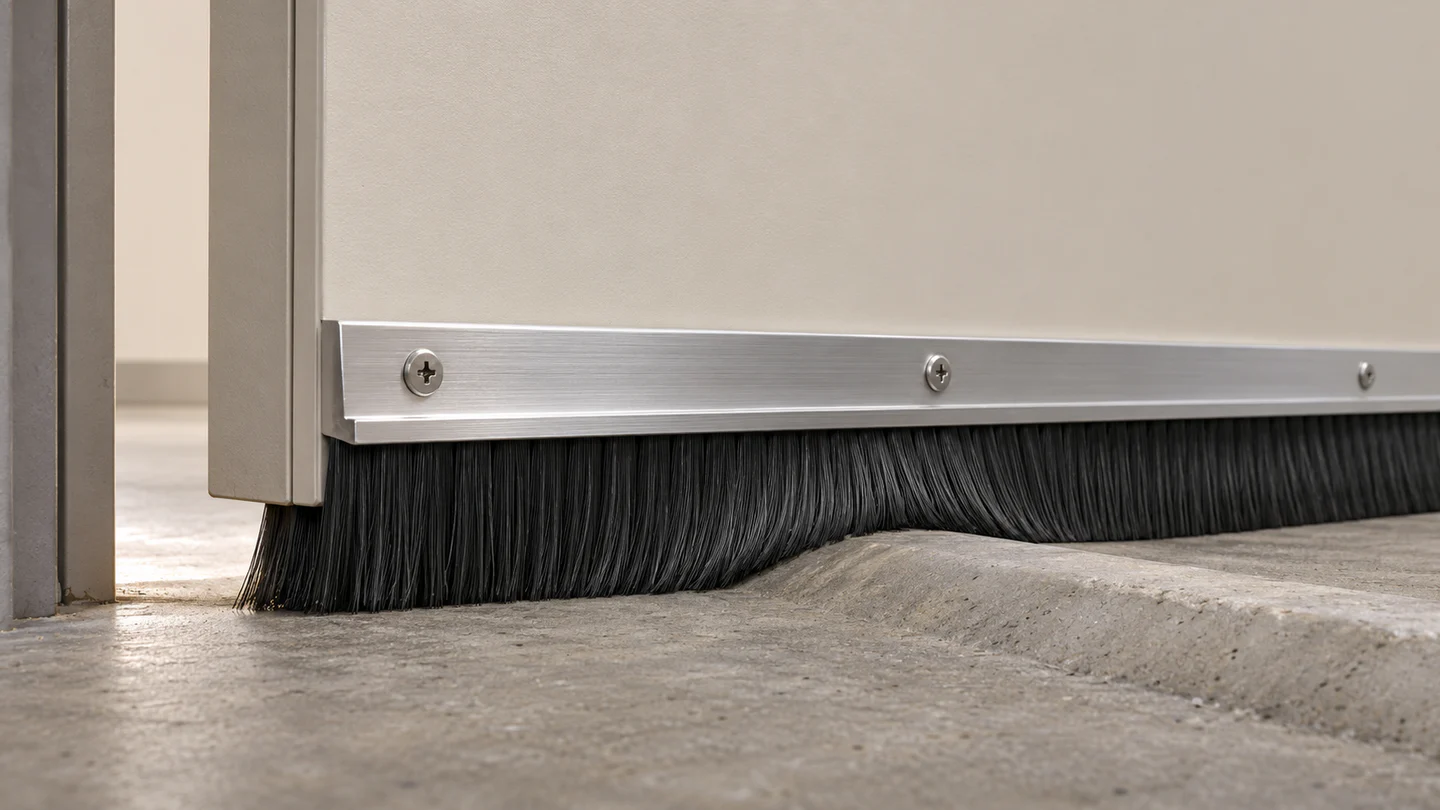
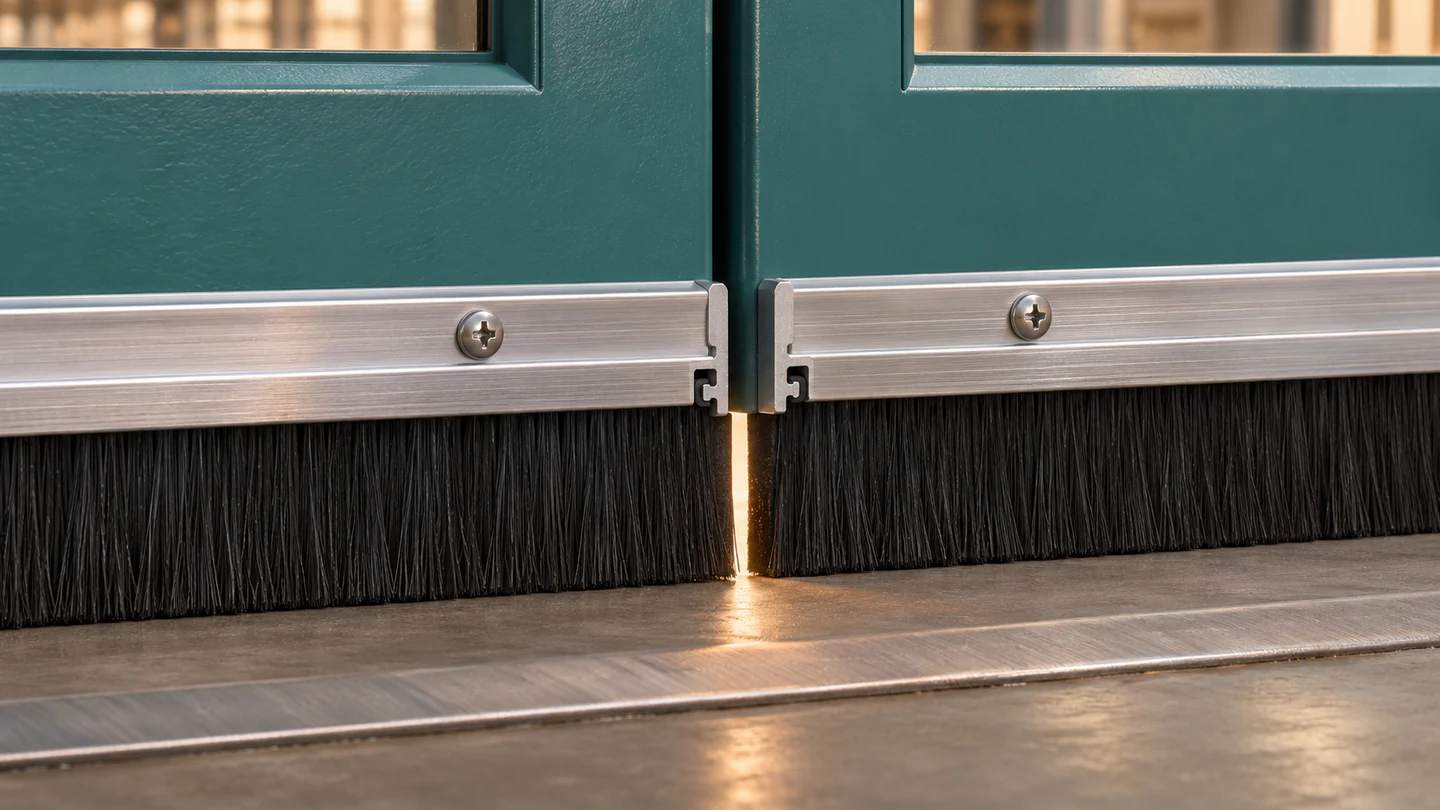
Read guideMeasure uneven door gaps, holder offsets and door travel. Choose insert or complete brush-seal supply and order the finished lengths each opening needs.
Read guideChoose produce washing rollers by crop variety, soil, skin condition and handling geometry. Compare shared specifications without mistaking clean appearance for intact skin.
Read guideMap brush positions to glass surfaces and distinguish trapped grit, contact damage and drying streaks before choosing replacement washer rollers.
Read guideCompare industrial brush quotes for the same parts, finished quantities, assembly, packing and delivery scope, with a worked sleeve-versus-assembly calculation.
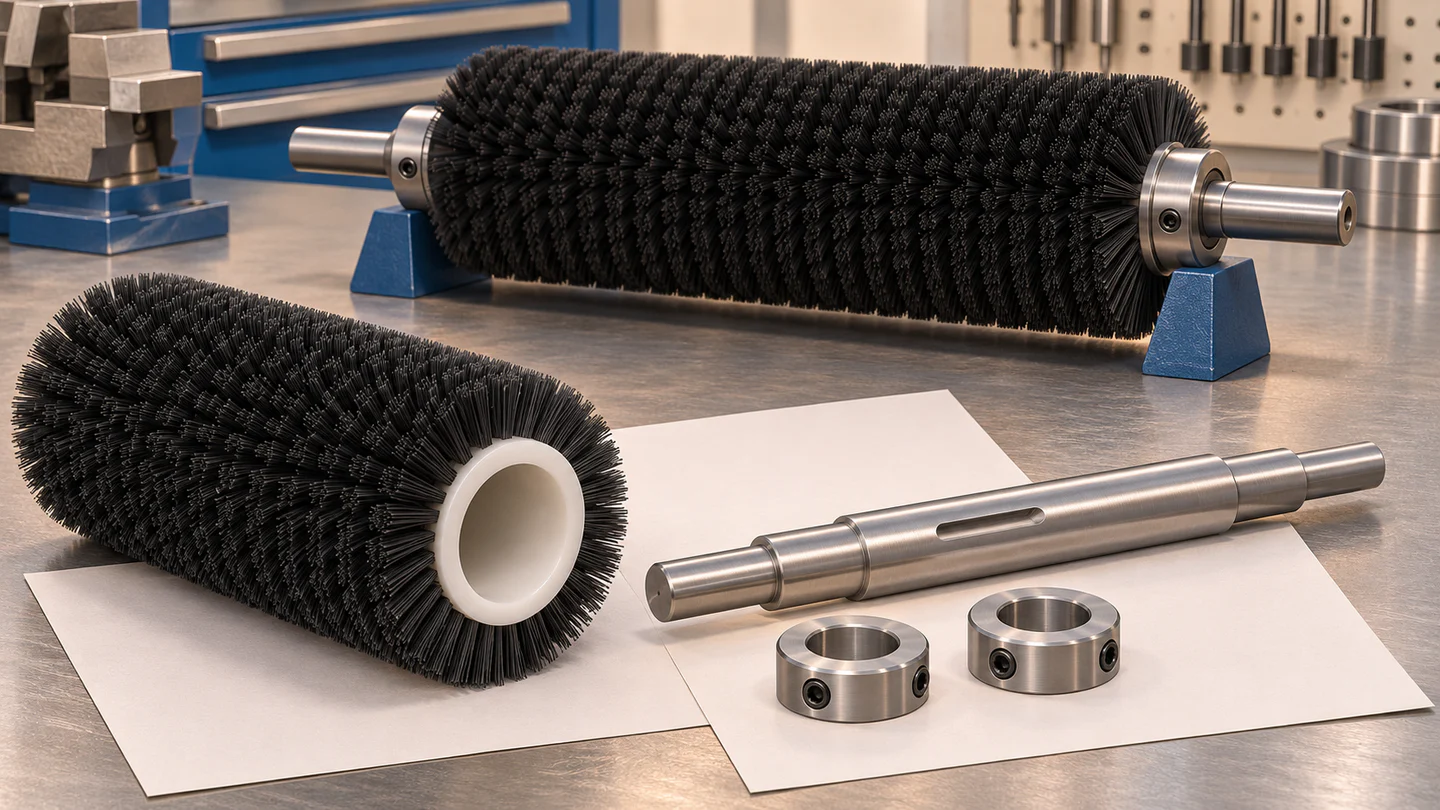
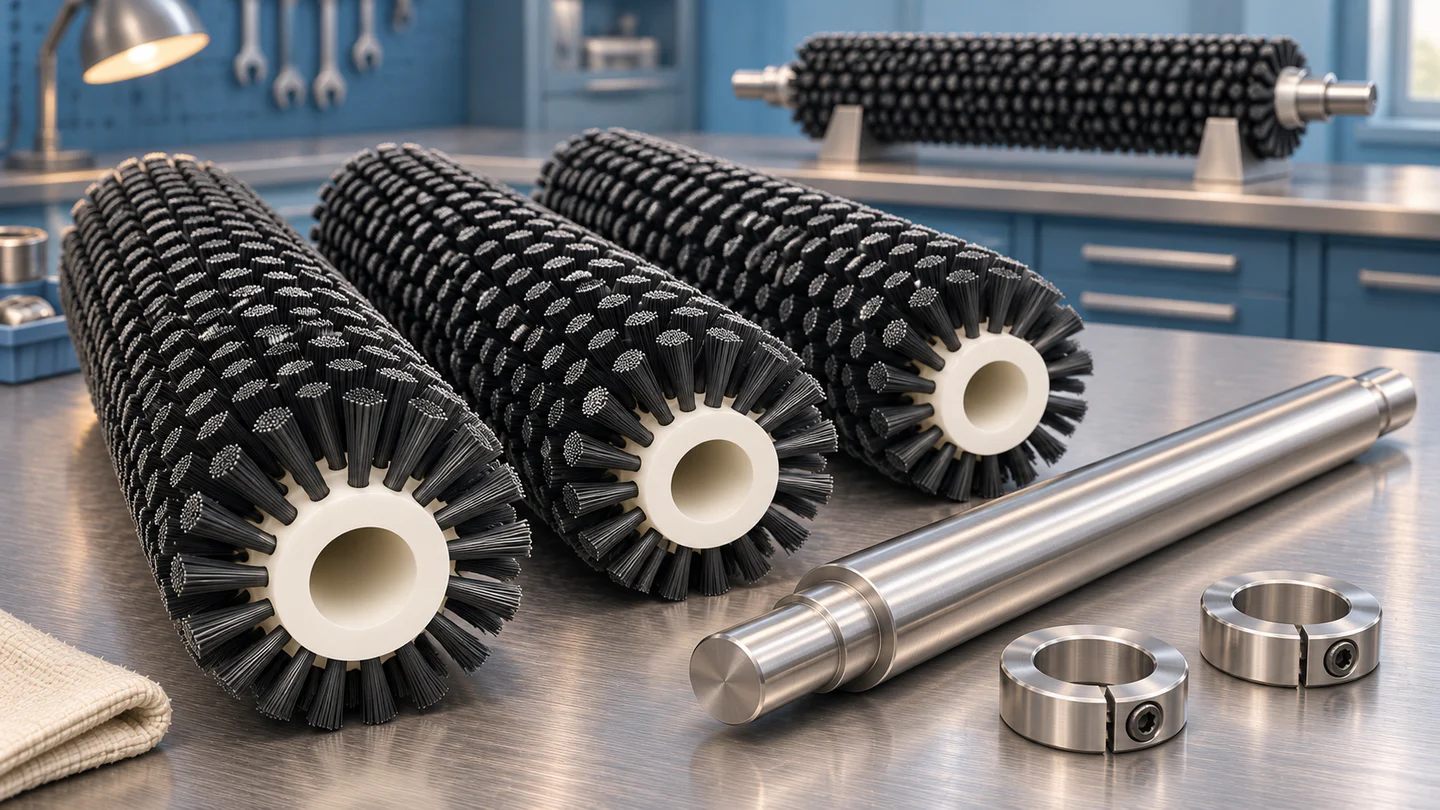
Read guideDefine which roller parts need replacing. Compare complete assemblies, coil sleeves and tufted sleeves by support condition, torque transfer, retention and task.
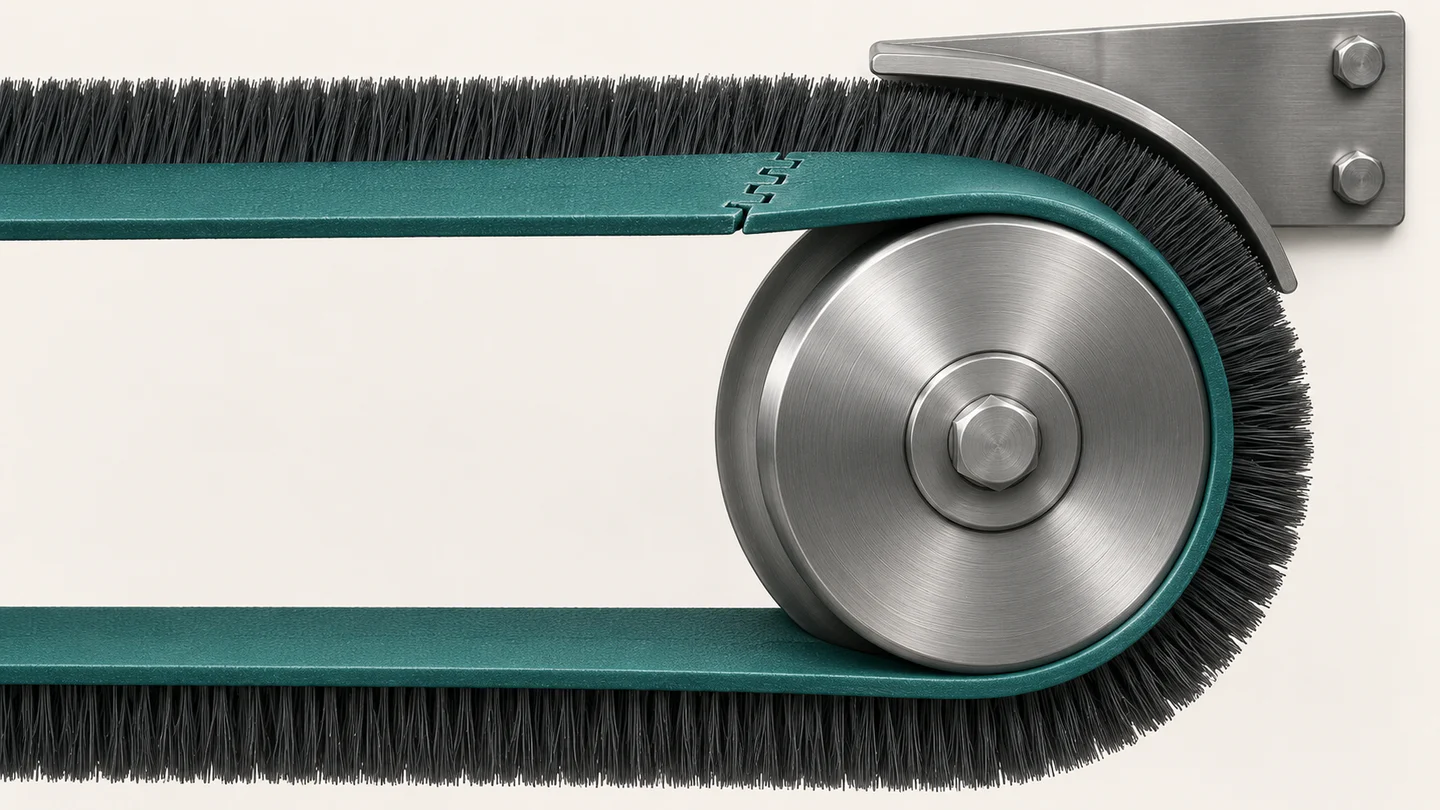
Read guideIdentify a replacement belt brush by its running face, section, machine path and joint. Compare open lengths with finished loops and define the order.
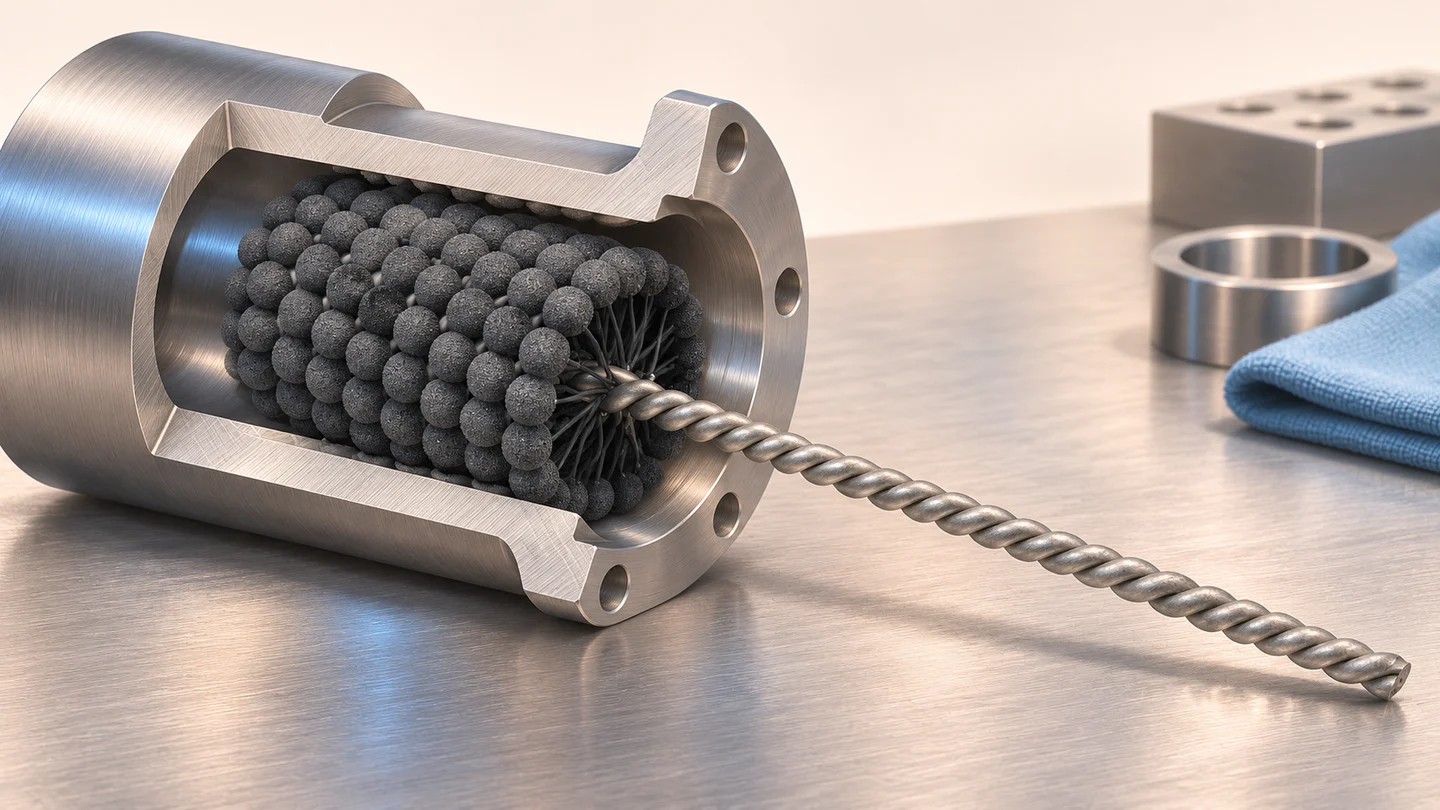
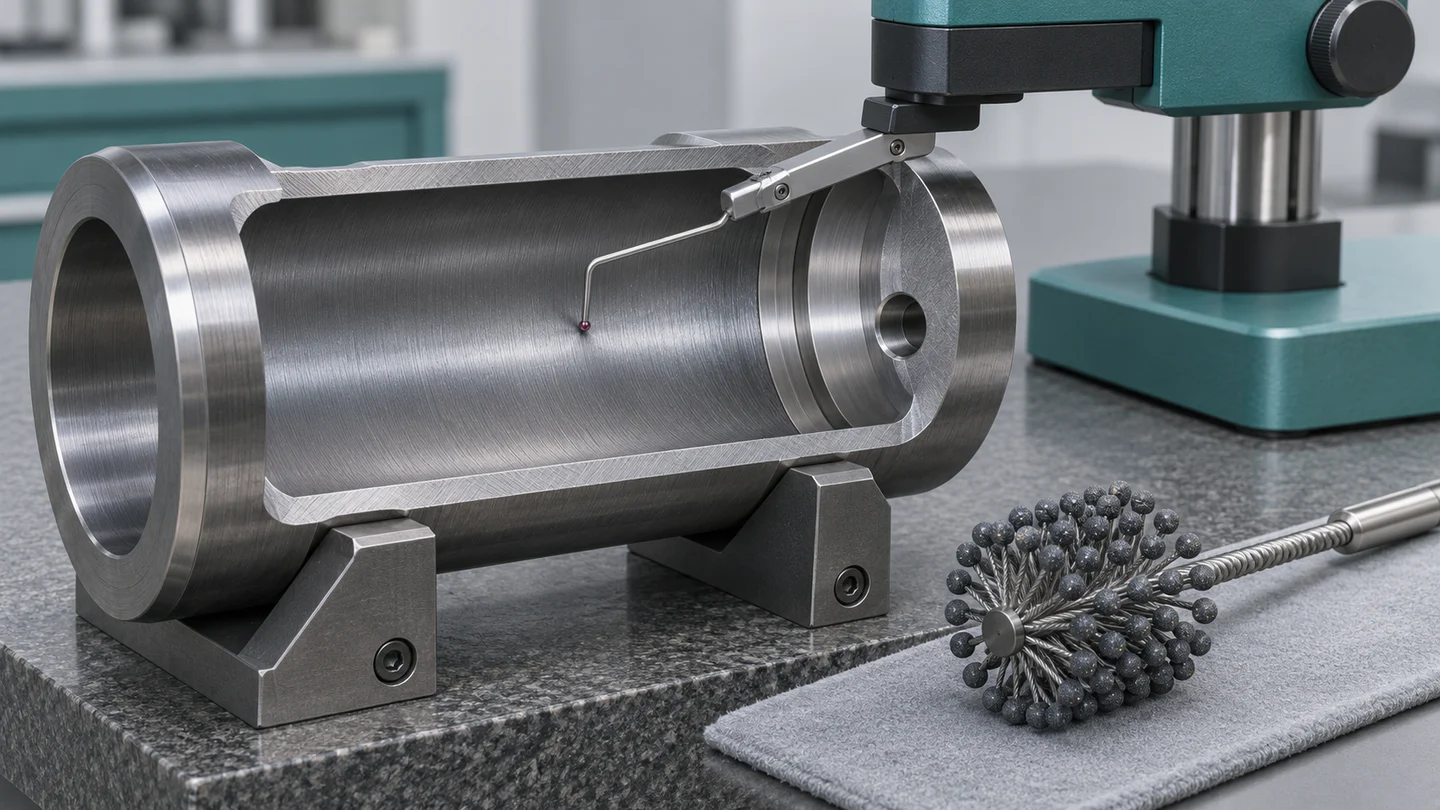
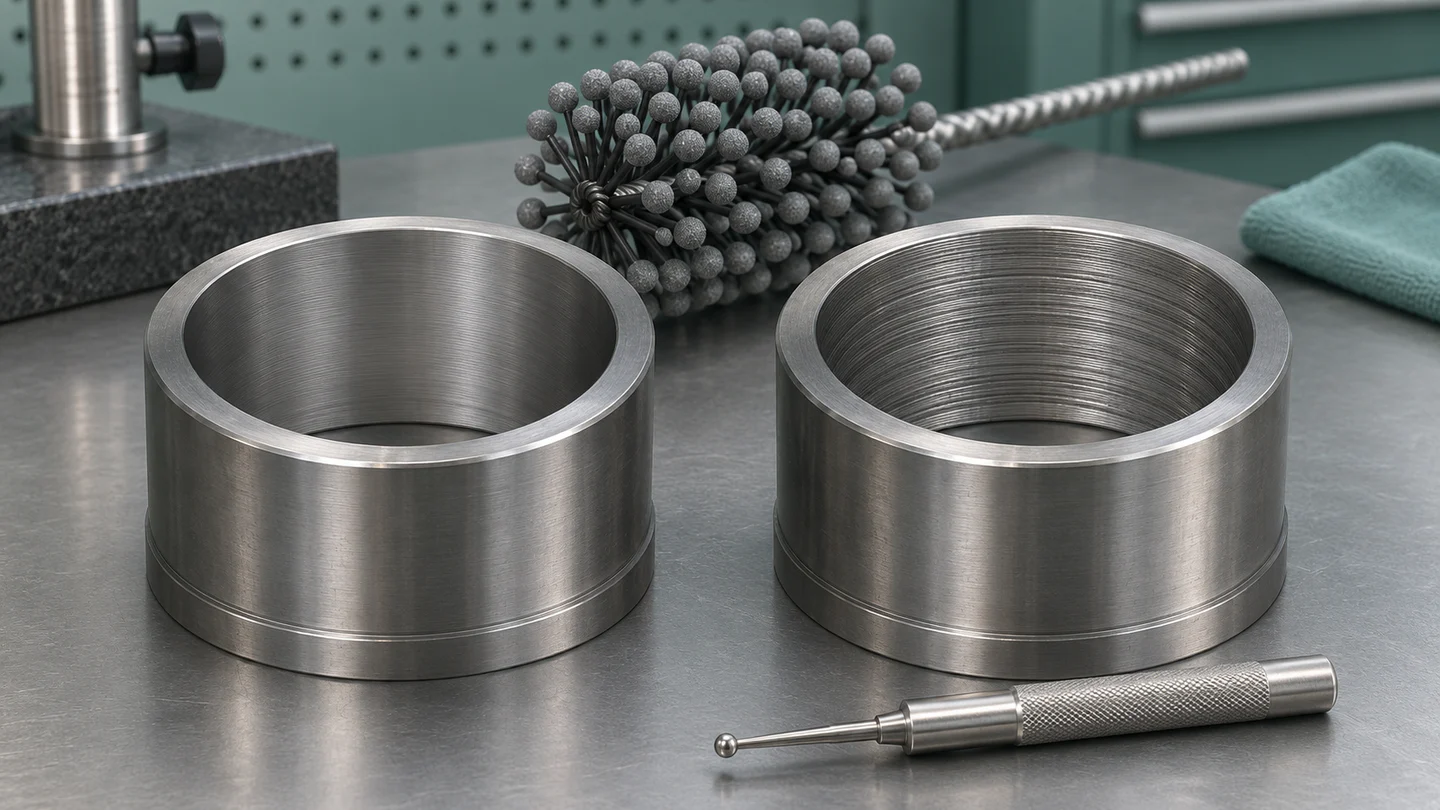
Read guideChoose a ball honing brush for the required bore surface. Understand size conventions, abrasive contact, blind-end access, holding and sample checks.
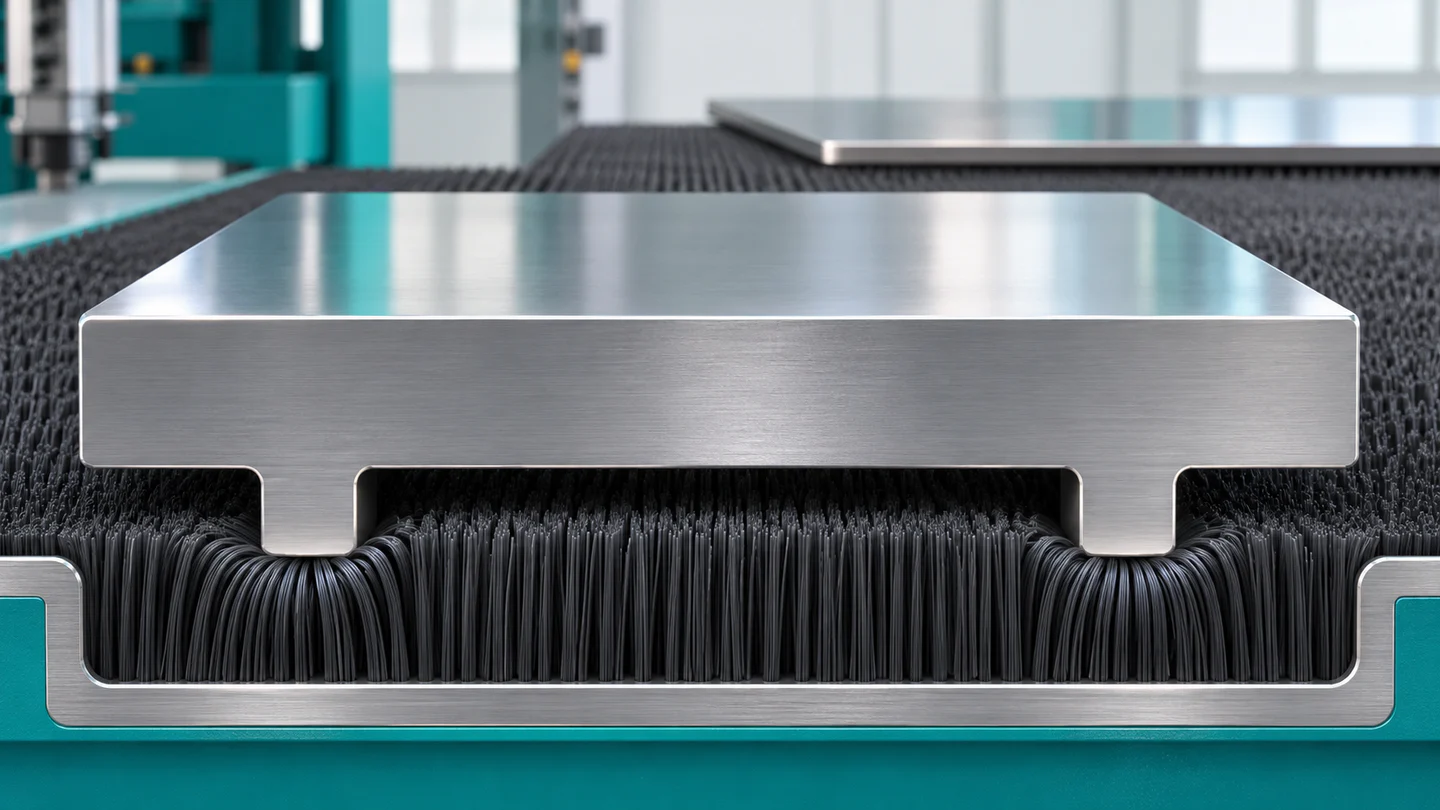
Read guideChoose panel or lath brushes from contact feet, seams, fittings and movement. Define the support layout, base and fill for the real workpiece.
Read guideCheck supplied components, mating interfaces, complete-set quantities and transport condition before counting industrial brush replacements ready for maintenance.
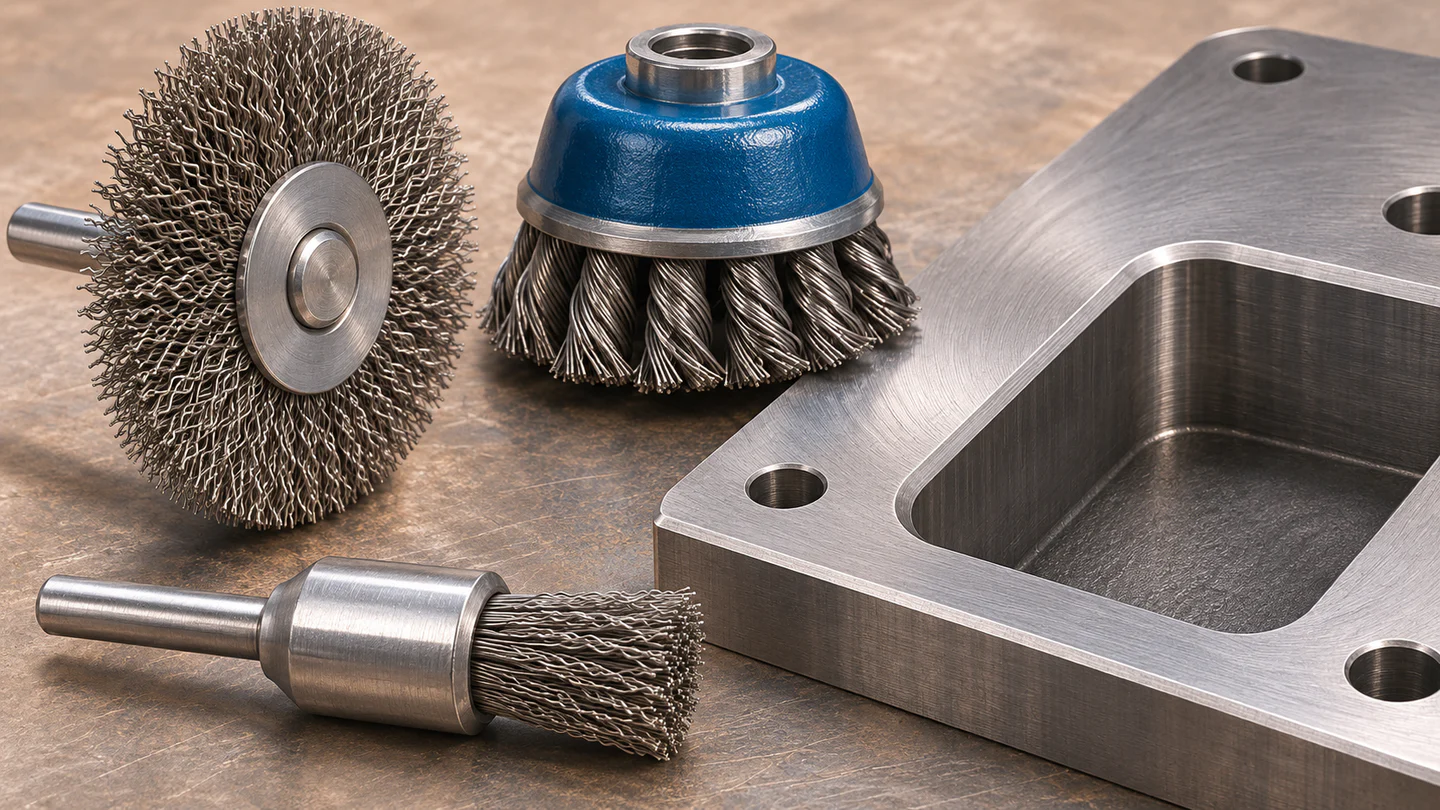
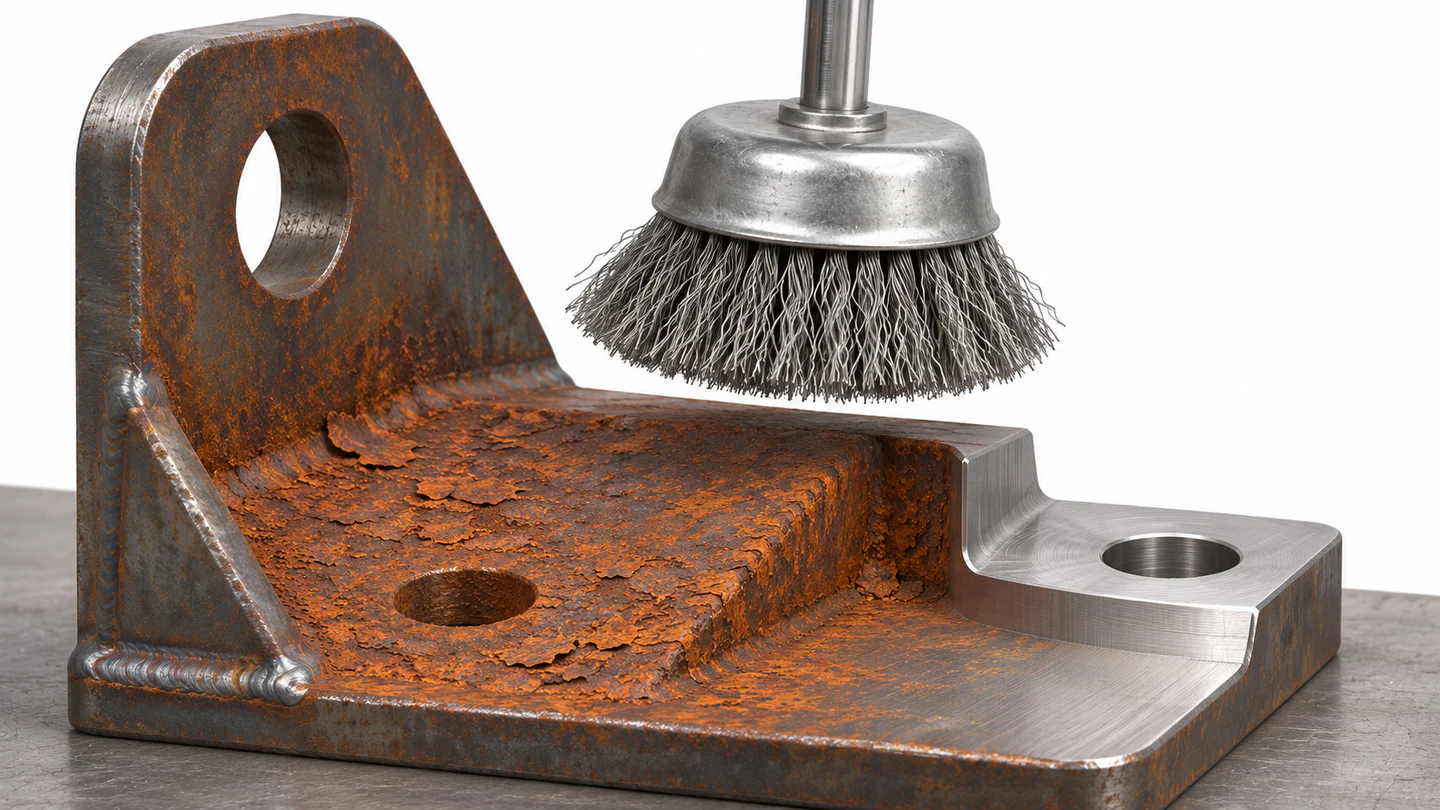
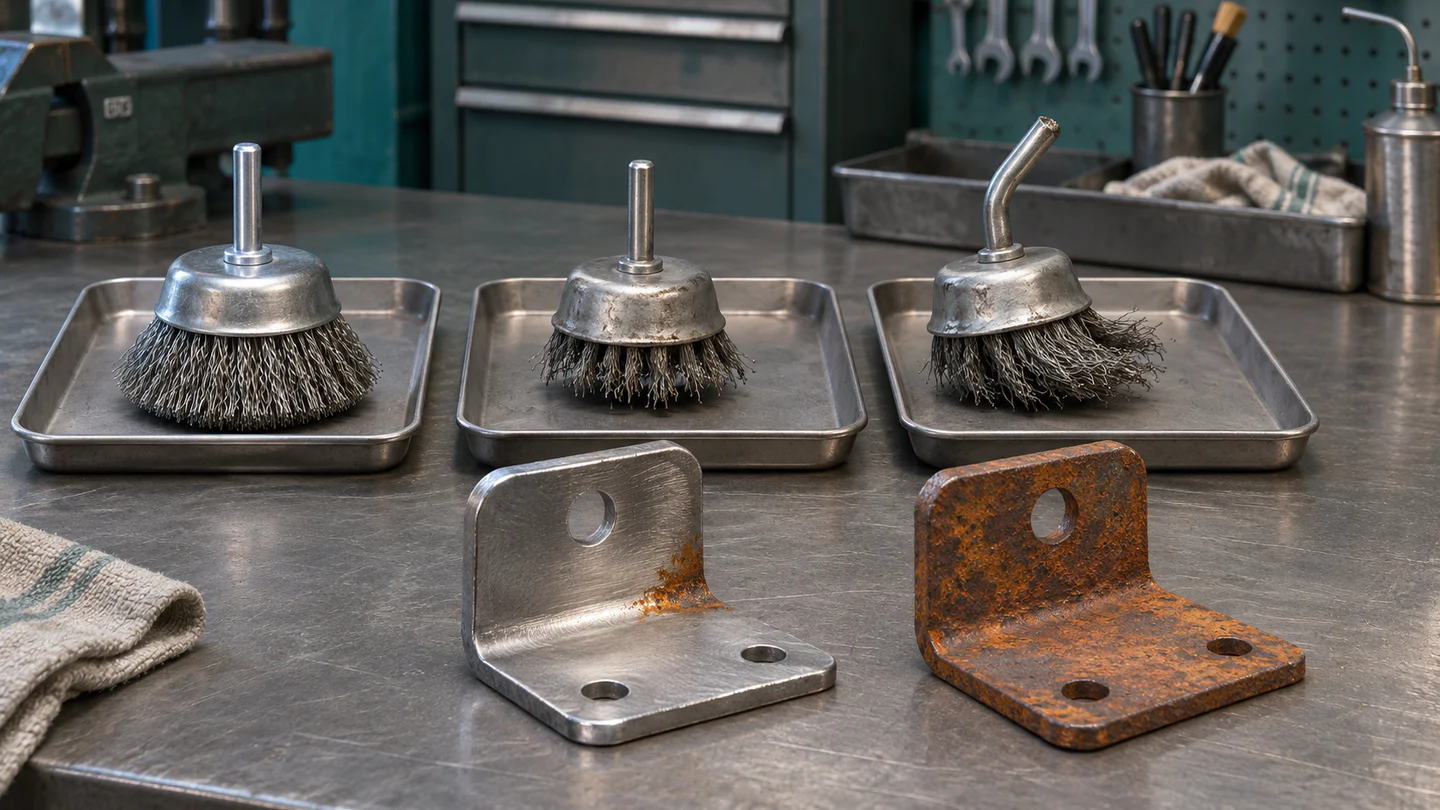
Read guideChoose wheel, cup or end wire brushes by access, deposit and protected finish. Compare knot and crimped cups, useful tip contact and exact tool connections.
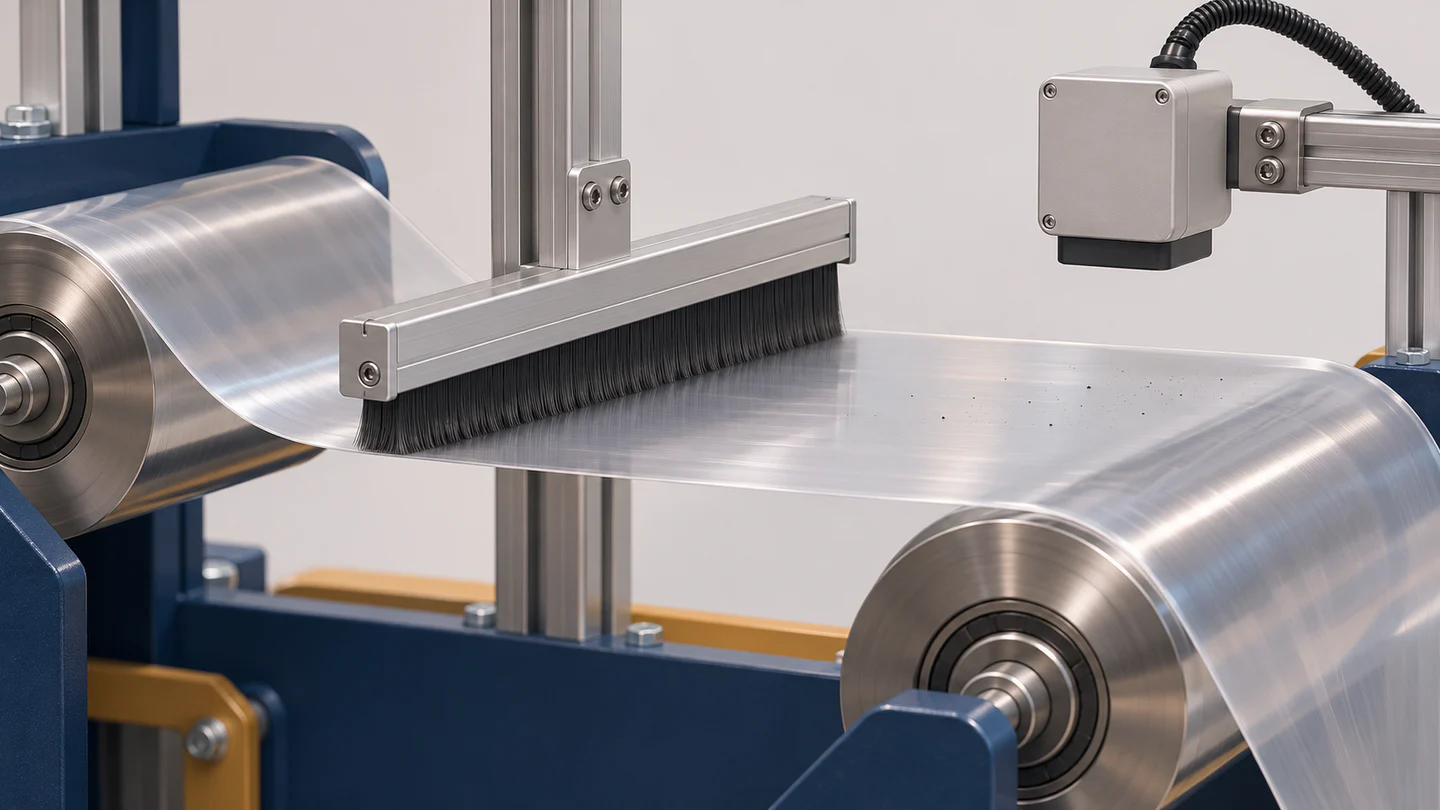
Read guideSpecify an antistatic brush for film, sheets or component handling. Compare real measurement locations, assembly interfaces, mechanical contact and supplier test scope.
Read guideSpecify formed strip brushes with a named backing radius, oriented section, metal split and free fill opening. Resolve housing fit and segment access before ordering.
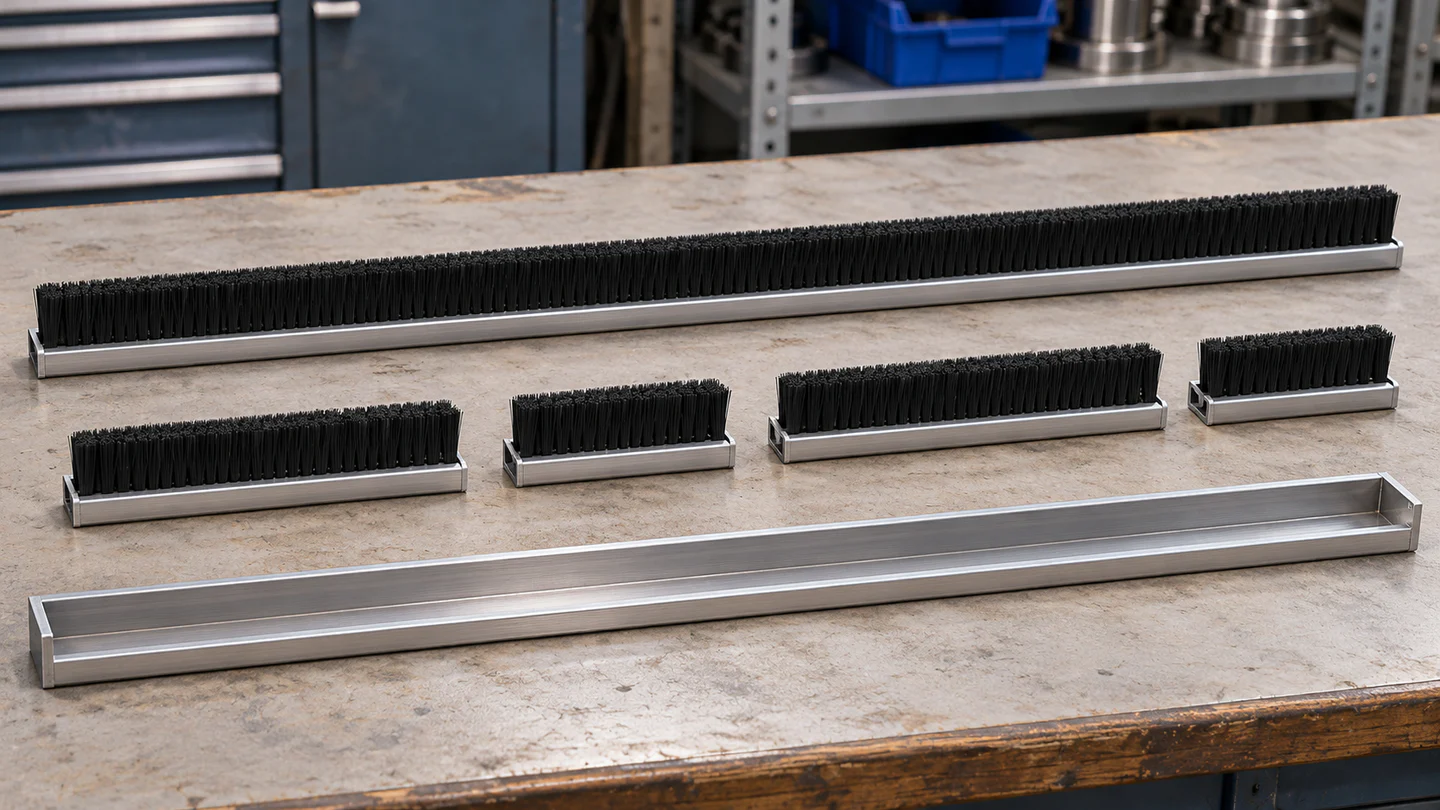
Read guideCalculate usable cut strip brushes from stock lengths, end preparation and cutting loss. Specify finished ends, separate remnants, holder scope and matched packs.
Read guideMeasure a worn roller, strip or inward brush without copying its wear. Recover the new envelope, mounting fit, fill specification and contact requirements.
Read guideCompare abrasive brush grit through starting defects, filament support, comparable parts and protected surfaces. Learn when a trial compares grit or a whole process.
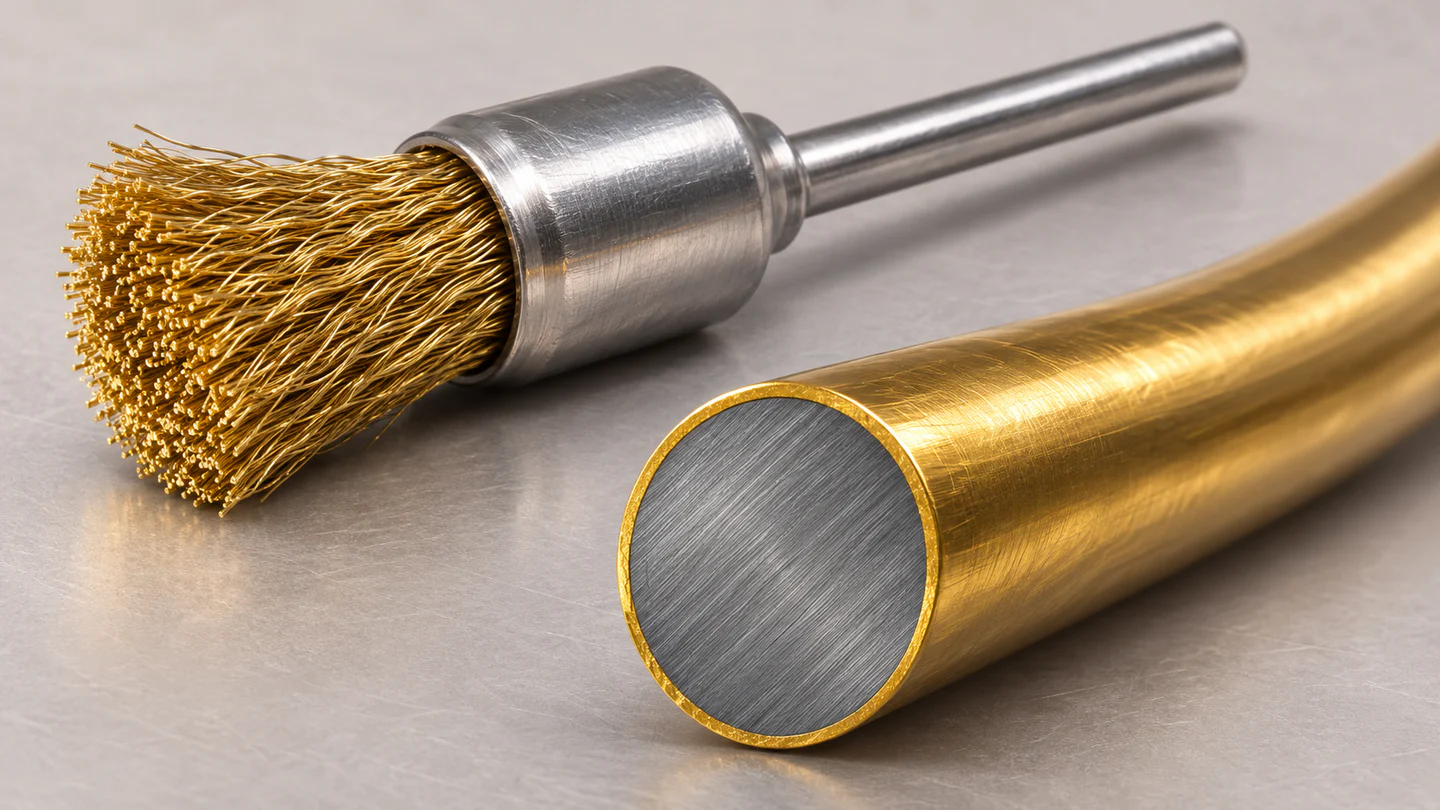
Read guideDistinguish brass from brass-coated steel, inspect other contacting brush parts and preserve dedicated tool history. Match material restrictions and surface results.
Read guideLocate the brush face, bearing seats, shoulders and keyways from a clear axial reference. See why matching overall length can still hide a 30 mm face offset.
Read guideCompare straight, staggered, helical tuft and wound roller layouts against the real part path. Separate root gaps from tip contact and evaluate lane extremes.
Read guideApprove a brush sample against its construction, workpiece and contact result. Define protected surfaces, application range and what production batches must match.
Read guideAssess replacement brush changes in core size, free fill, filament, material, keyway and rating. Define when a new trial or restricted application is needed.
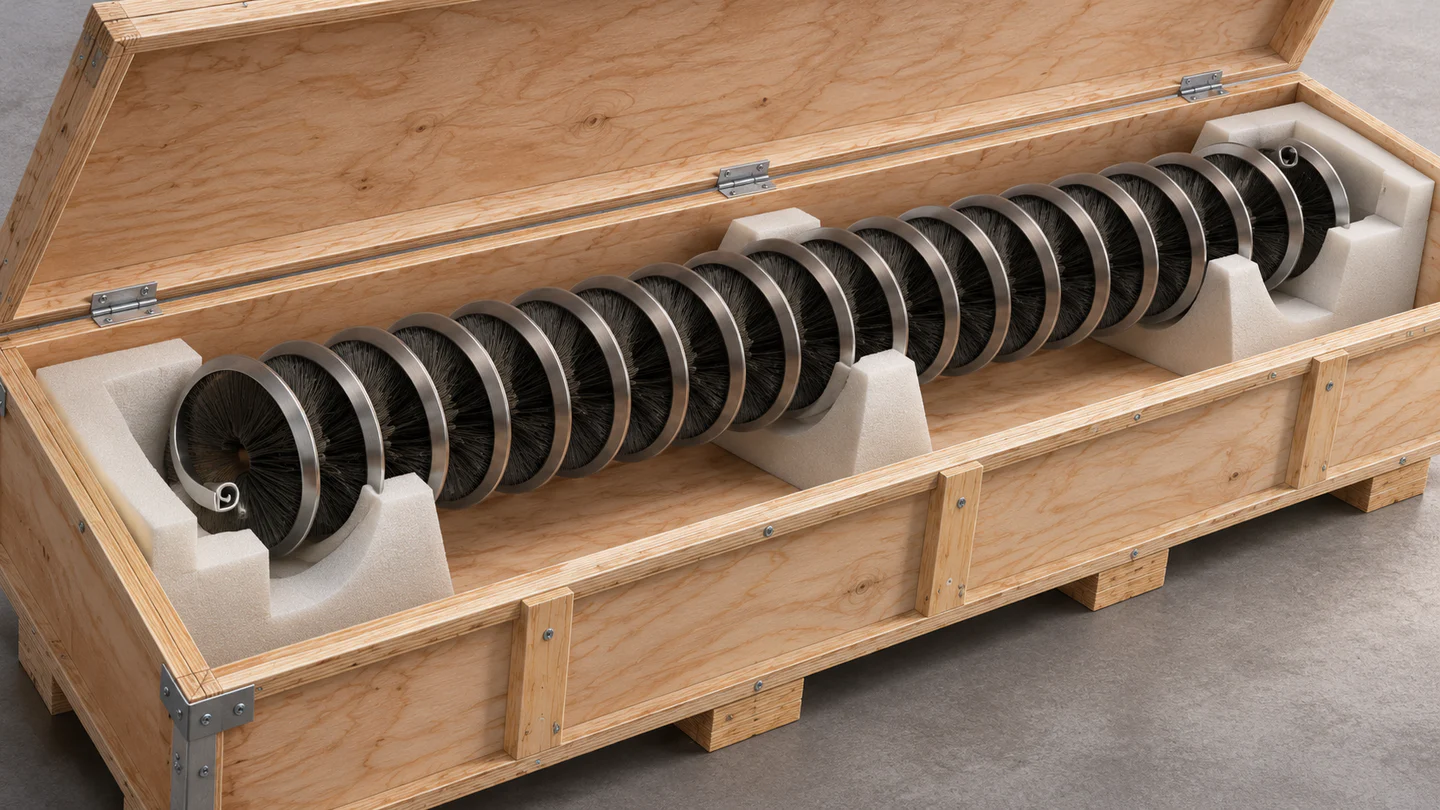
Read guideProtect long coil brushes with suitable backing supports, movement restraint and end separation. Check local pitch, fill and arrival condition as well as length.
Read guideCompare brush purchase and changeover costs using accepted output. Calculate the candidate break-even point and distinguish rejected parts, incomplete trials and useful life.
Read guidePlan compatible brush spares by usable date. Check complete changeout parts, reserved stock, coil packing condition and split receipts before adding another order.
Read guidePlan a complete tube-cleaning brush purchase from the tube route and deposit to compatible equipment, representative trials, quote scope and replacement stock.
Read guideTrace renewed disc-brush burrs to incoming edges, fixture access, filament condition and comparable fresh-brush results before changing the specification.
Read guideMap annular disc-brush contact through the full path. A worked distance example separates center gaps, partial coverage and unreachable edges before a trial.
Read guideLocate belt-brush trial failures by the moving joint and fixed machine station. Distinguish pulley and guide interference from missed workpiece coverage.
Read guideChoose a belt-brush contact zone from workpiece movement, target coverage and protected edges. Compare tuft layouts and define where removed debris should go.
Read guideEvaluate honing brush samples through actual surface function, comparable measurement locations, bore geometry and protected edges instead of shine or grit alone.
Read guideSeparate incoming bore texture, brush condition, holding reach and measurement changes when honing results drift. Make replacement and reorder decisions from comparable evidence.
Read guideCompare power brushes on real cleaning regions: open rusted faces, shoulder residue and protected lands. Define comparable inputs and decide the accepted task.
Read guideReorder power brushes using accepted work and the reason for withdrawal. Separate repeat actions, changed tasks and construction differences before comparing life.
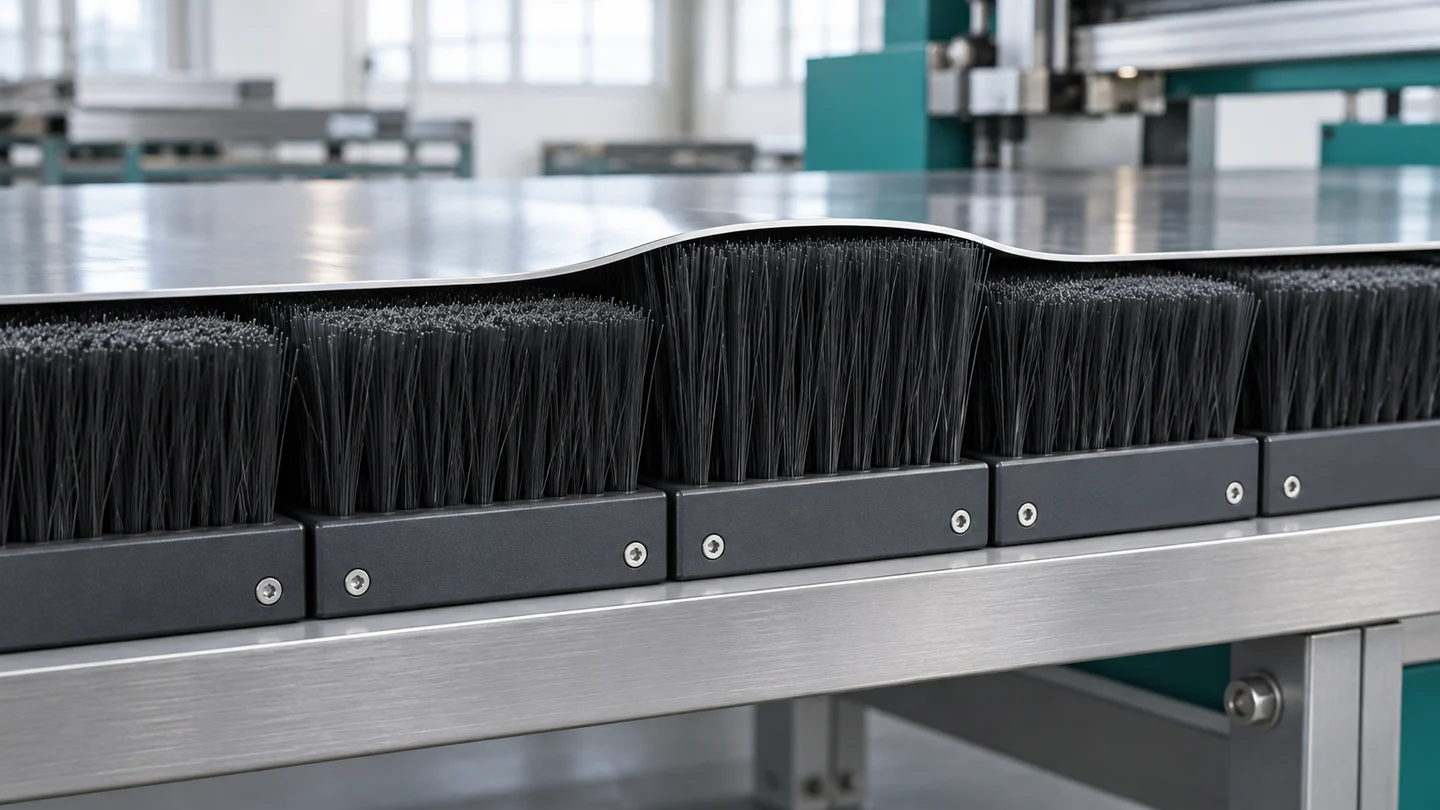
Read guideTest brush-table support with real contact feet, entry and seam transitions, assembly loads and surface traces. Turn a failed small-part case into a specific layout change.
Read guideCompare new and retained brush panels by installed height, fill response, edge gaps and workpiece direction. Define a replacement group and compatible position-specific spares.
Read guideOrder an outward coil brush with the right core interface, axial space, winding and working-face position. Compare coil-only, core-mounted and complete supply.
Read guideFind why brush seals leave end gaps or drag during door travel. Compare holder geometry, corners, flexible routes and complete opening sets before buying the remaining lengths.
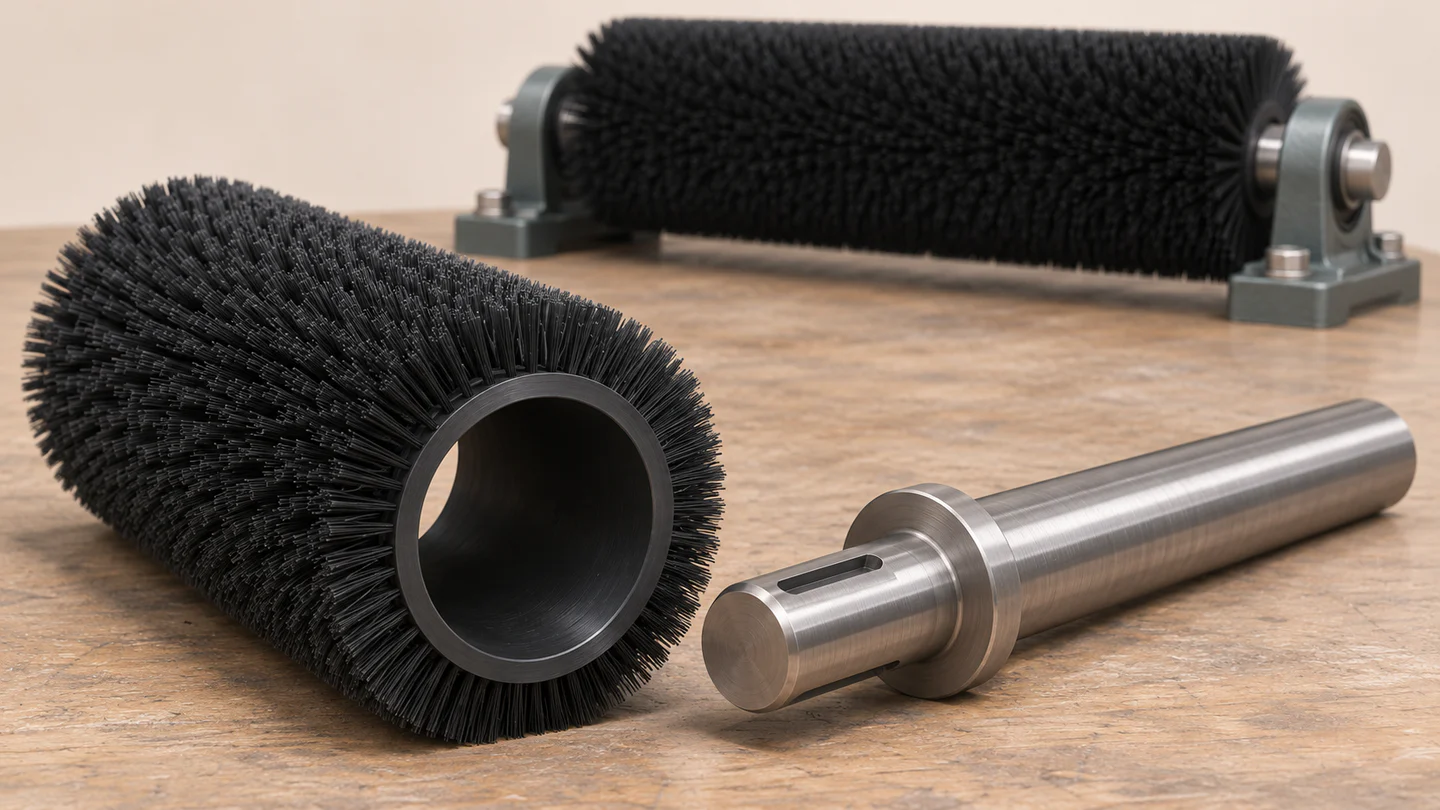
Read guideLocate changed roller-brush results by workpiece lane, fill, core and station. Decide between refill, retained-part repair and a complete roller replacement.
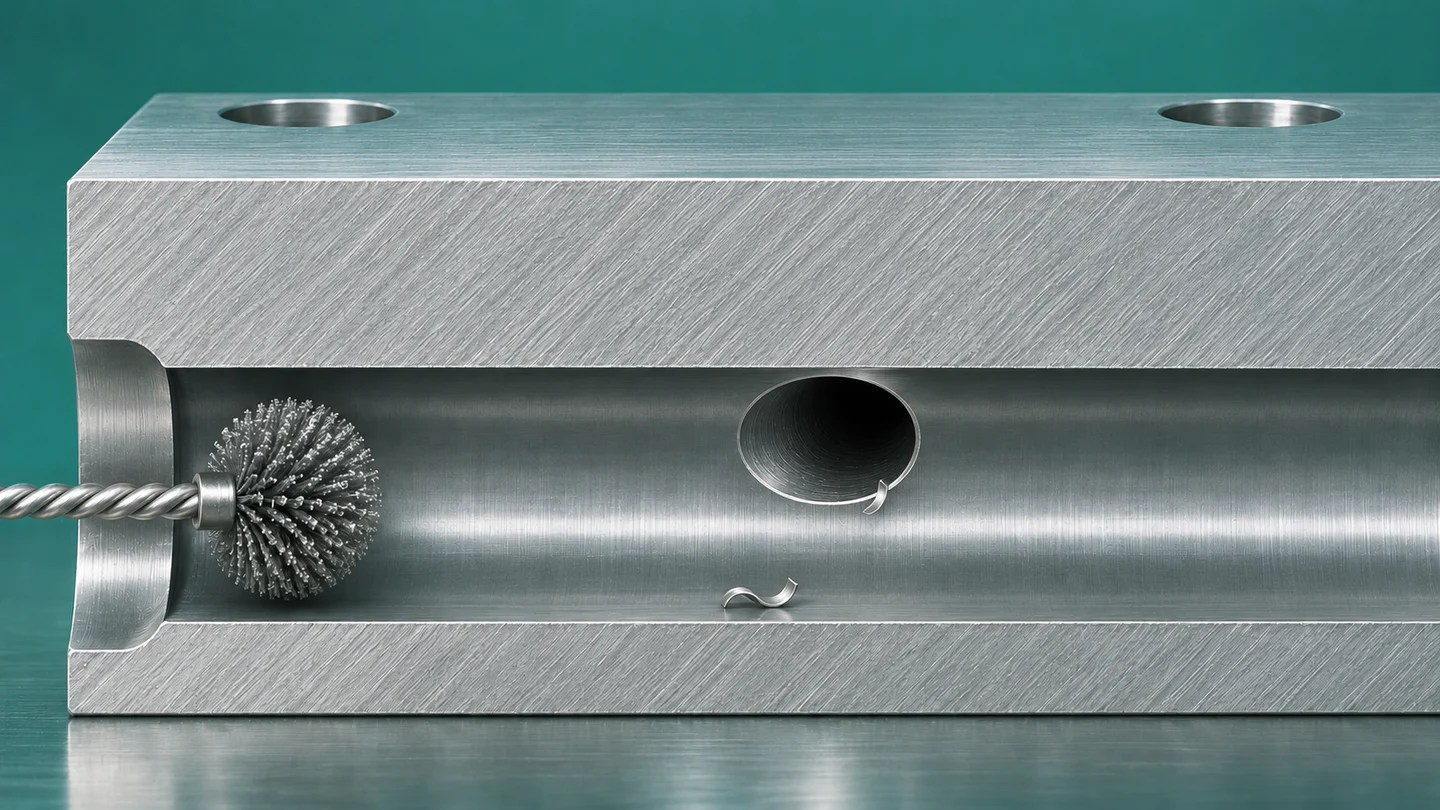
Read guideDistinguish attached burrs from loose chips, assess cross-hole and blind-end contact, and verify hidden edges while protecting functional bore surfaces.
Read guideTry another search or browse all guides in this category.