
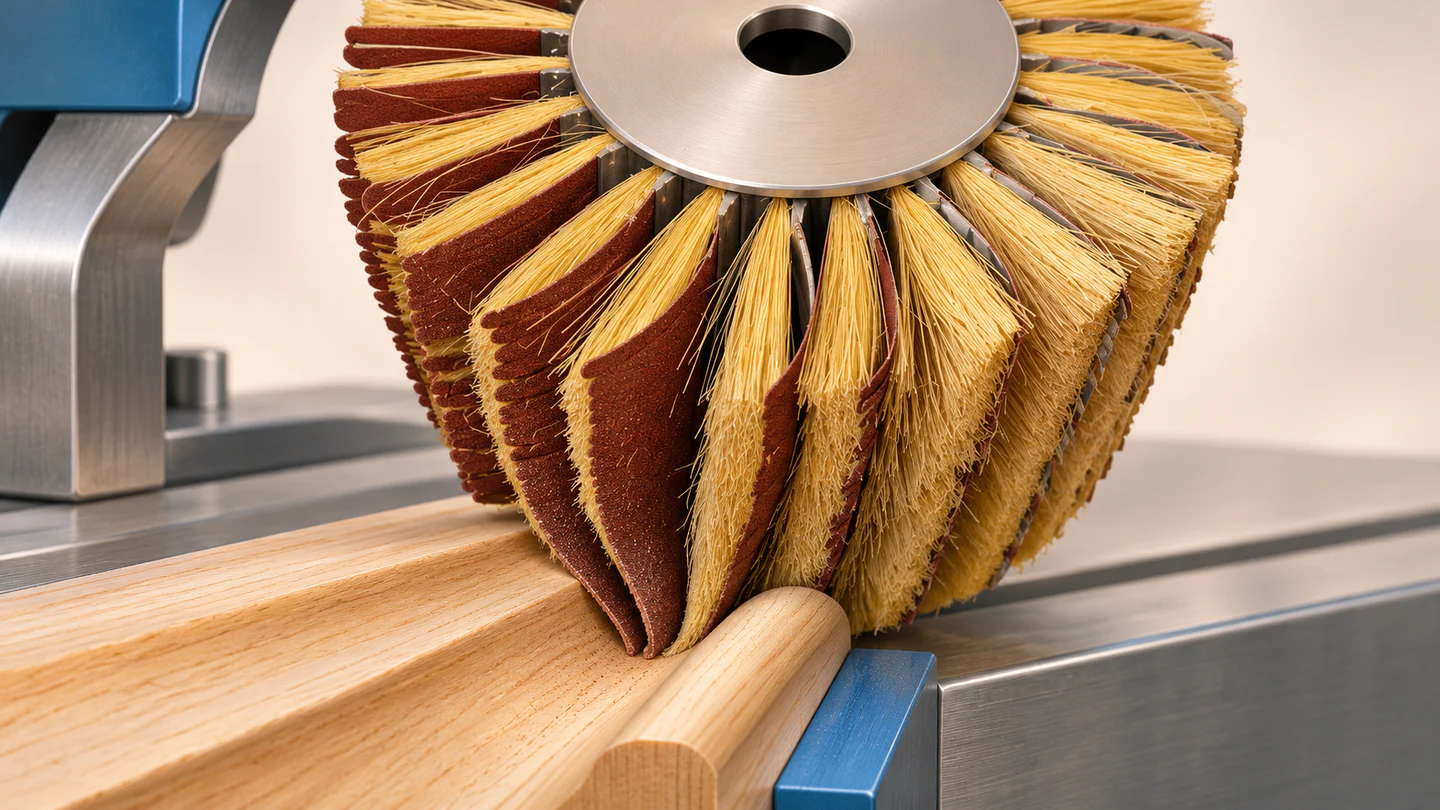
How Do You Choose a Sanding Brush for a Profile Without Damaging Its Edges?
Choose a profile sanding brush by checking groove access, edge retention and face finish. Compare raw wood, sealer coats and vulnerable veneer on real profiles.
Read guide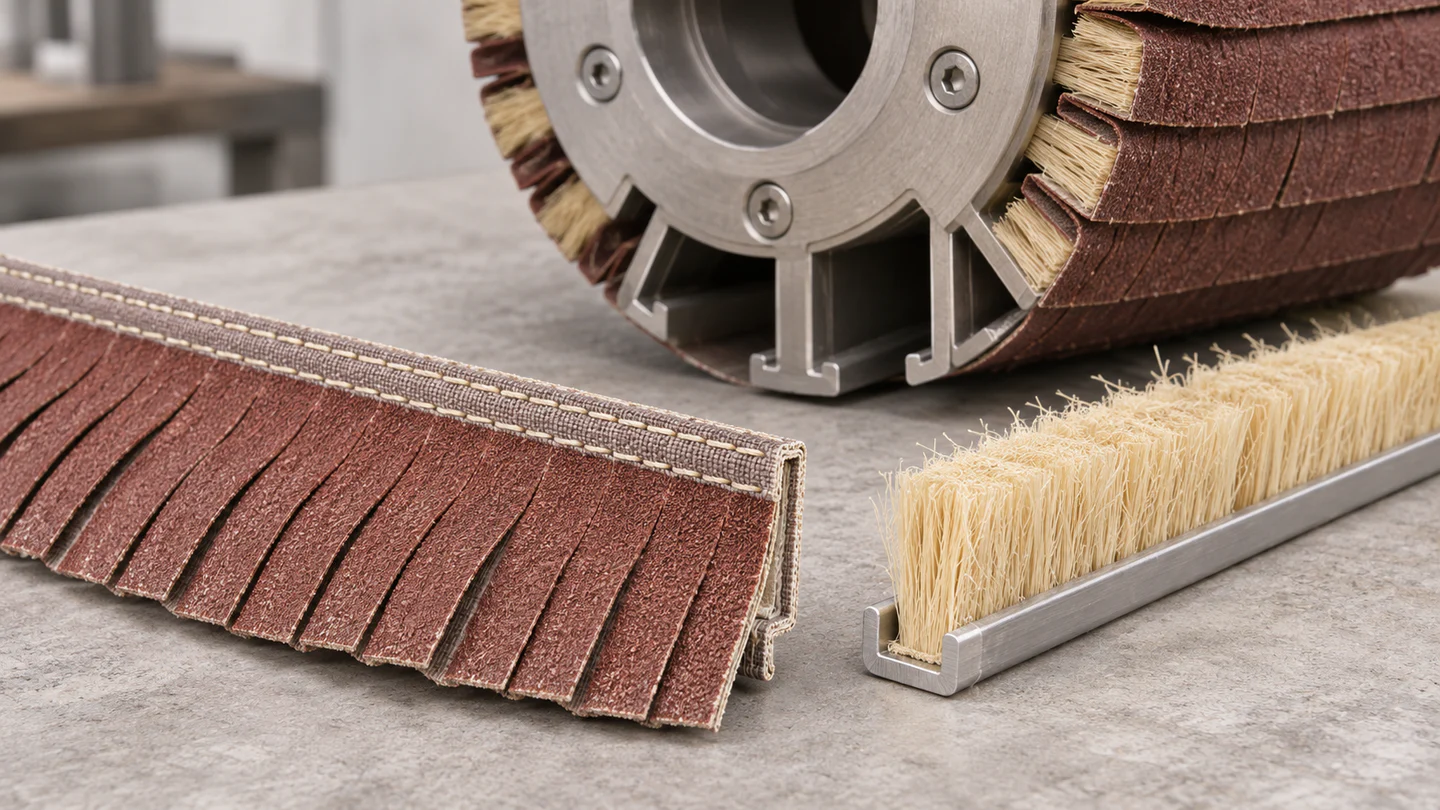
Replacing Sanding Brush Strips: Which Dimensions Must Match the Existing Head?
Match sanding-strip mounting edges, exposed abrasive and sisal support to the retained head. Distinguish fit, profile access and complete spare sets.
Read guide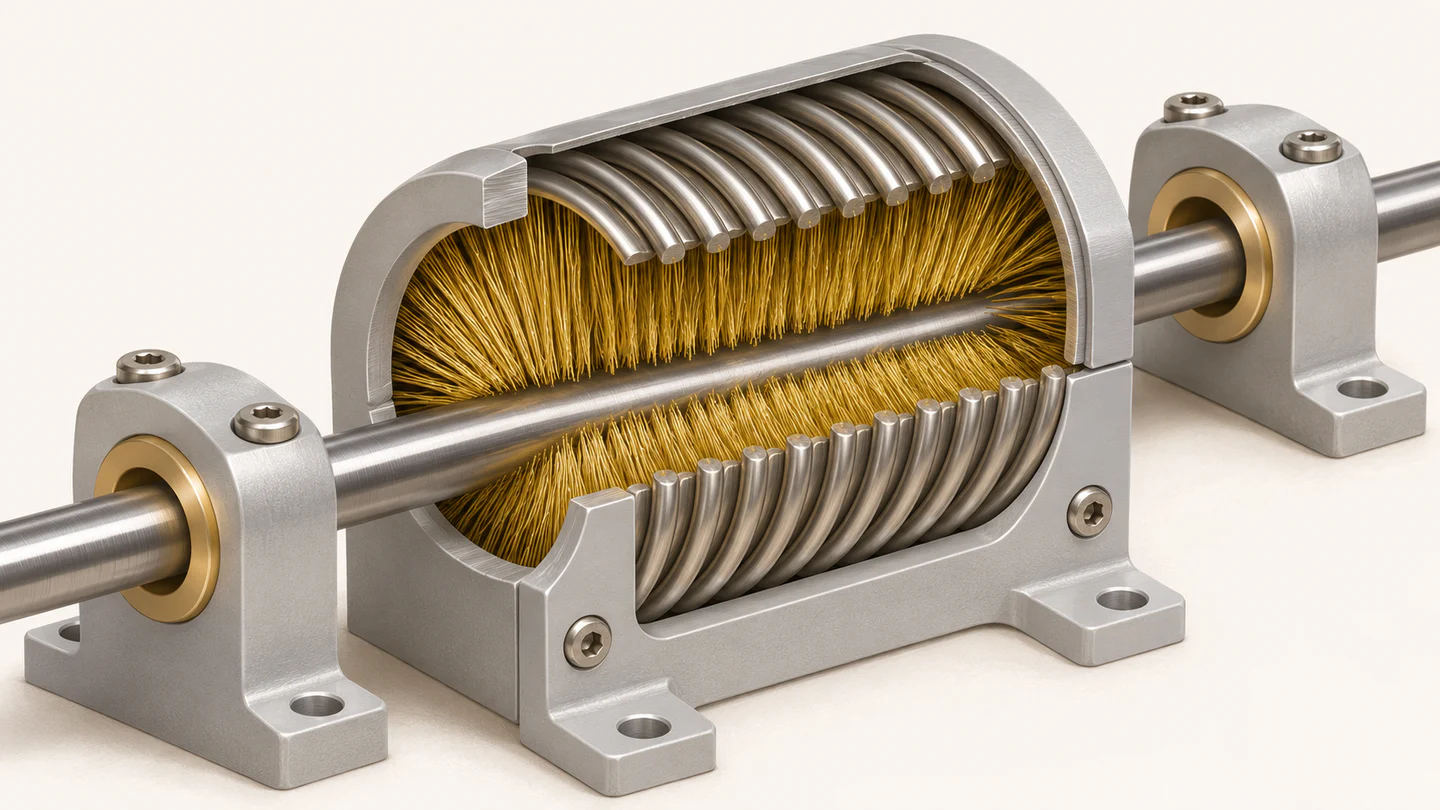
Inward Coil Brush Sizing: Match the Rod, Holder and Cleaning Task
Choose an inward coil brush by rod size, free opening, holder fit, pitch and fill. Diagnose uneven cleaning and check joints, coated stock and wet wiping.
Read guide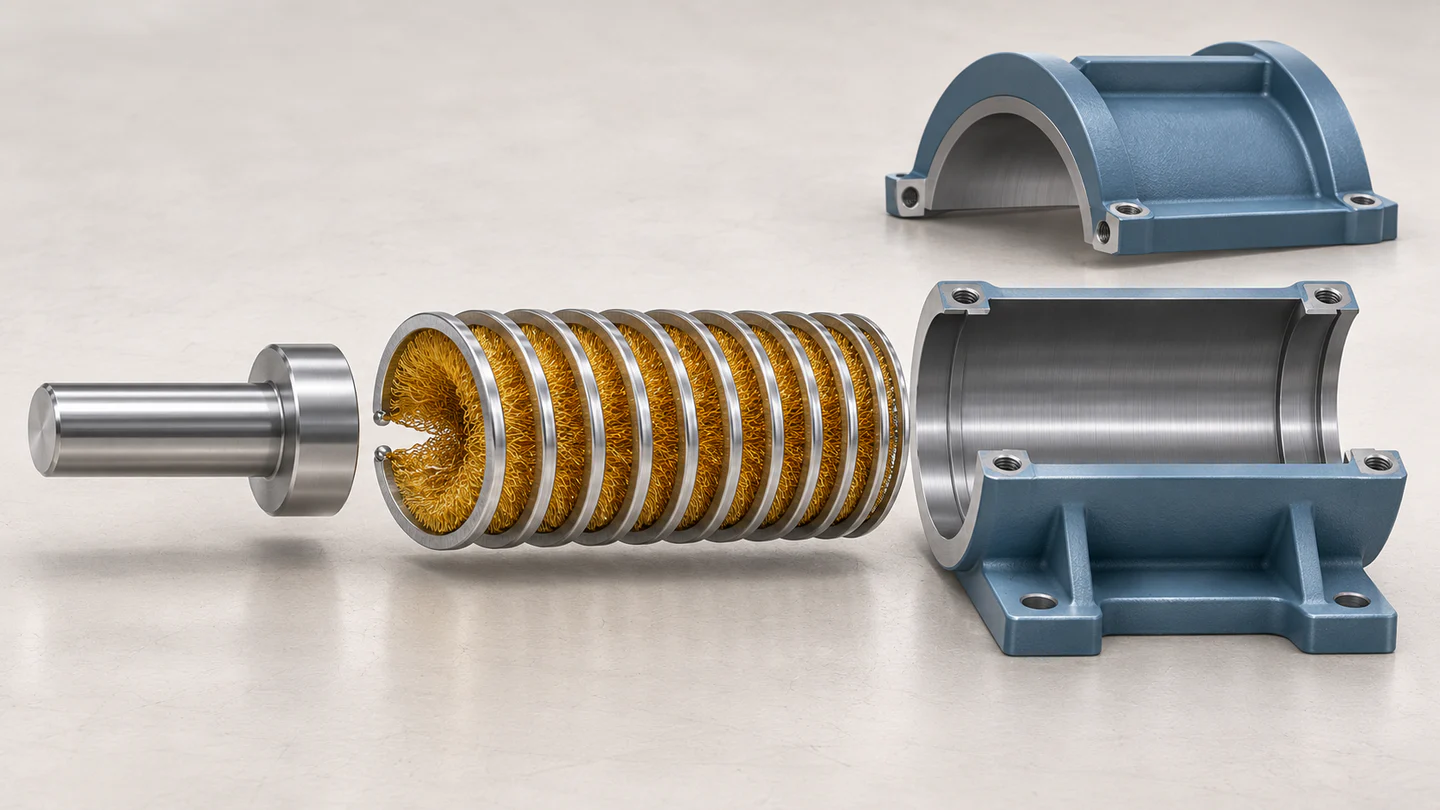
Inward Coil Brush Replacement: Can the New Brush Reach Its Holder?
Check inward coil brush access, split-ring construction, holder support, guide alignment and the parts needed for a replacement that can be installed.
Read guide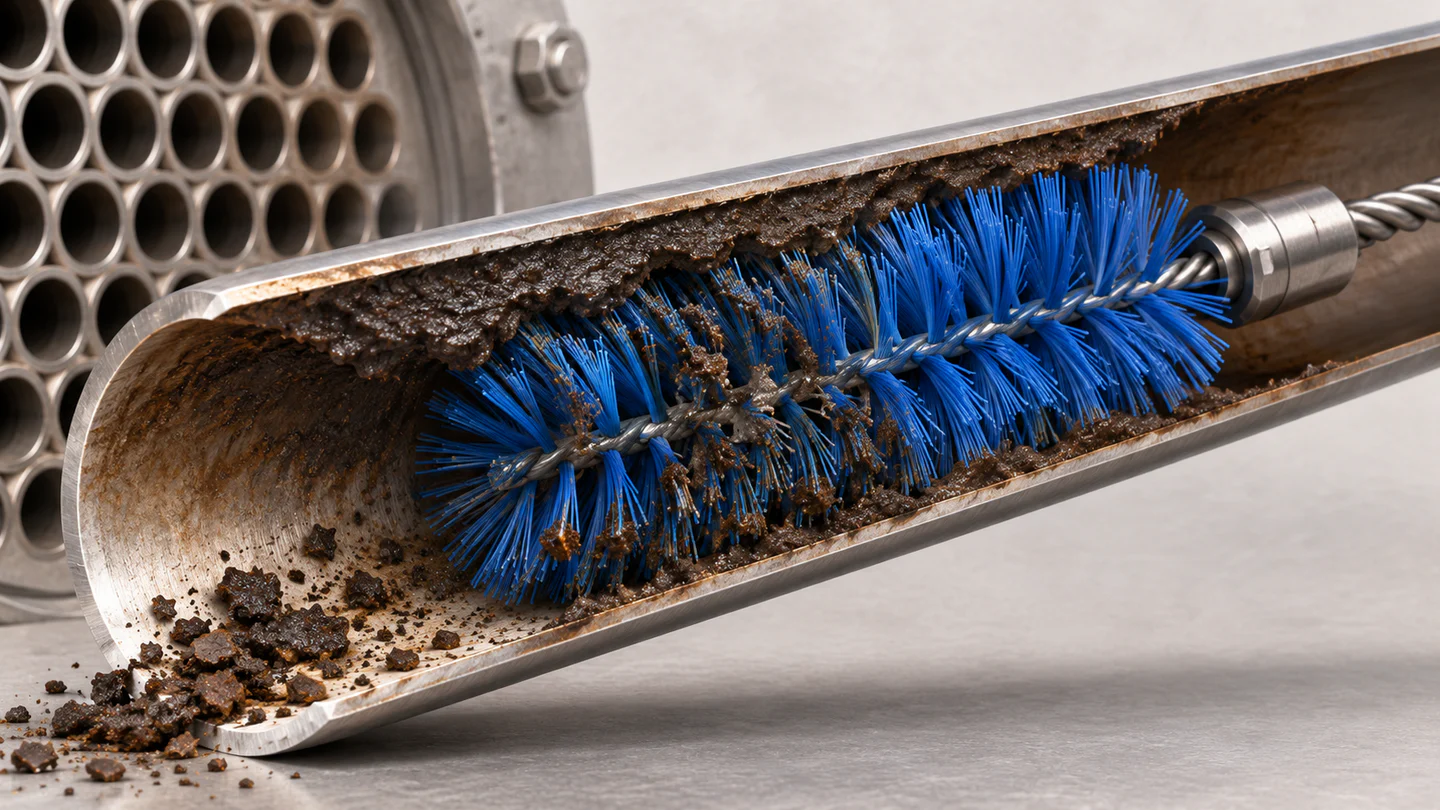
Which Tube Brush Should I Buy for Mud, Soot or Scale?
Choose tube brush fill by deposit behaviour, tube surface and debris removal. Compare nylon, copper and wire constructions in realistic cleaning conditions.
Read guide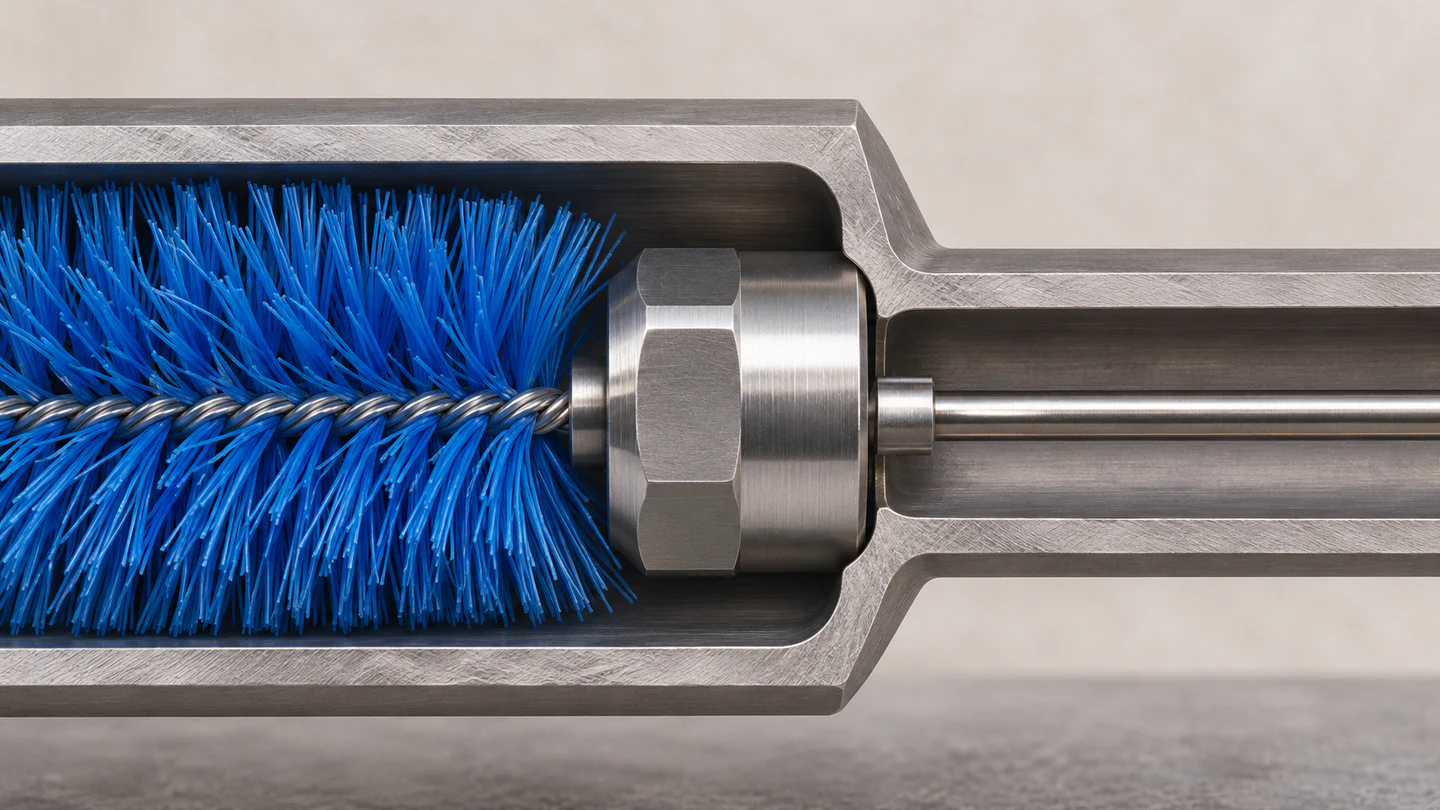
Which Threaded Tube Brush Will Fit My Cleaning Rod?
Match a threaded tube brush to the actual rod by pitch, seating, connector clearance and useful reach. Understand M6 and M10 product dimensions before ordering.
Read guide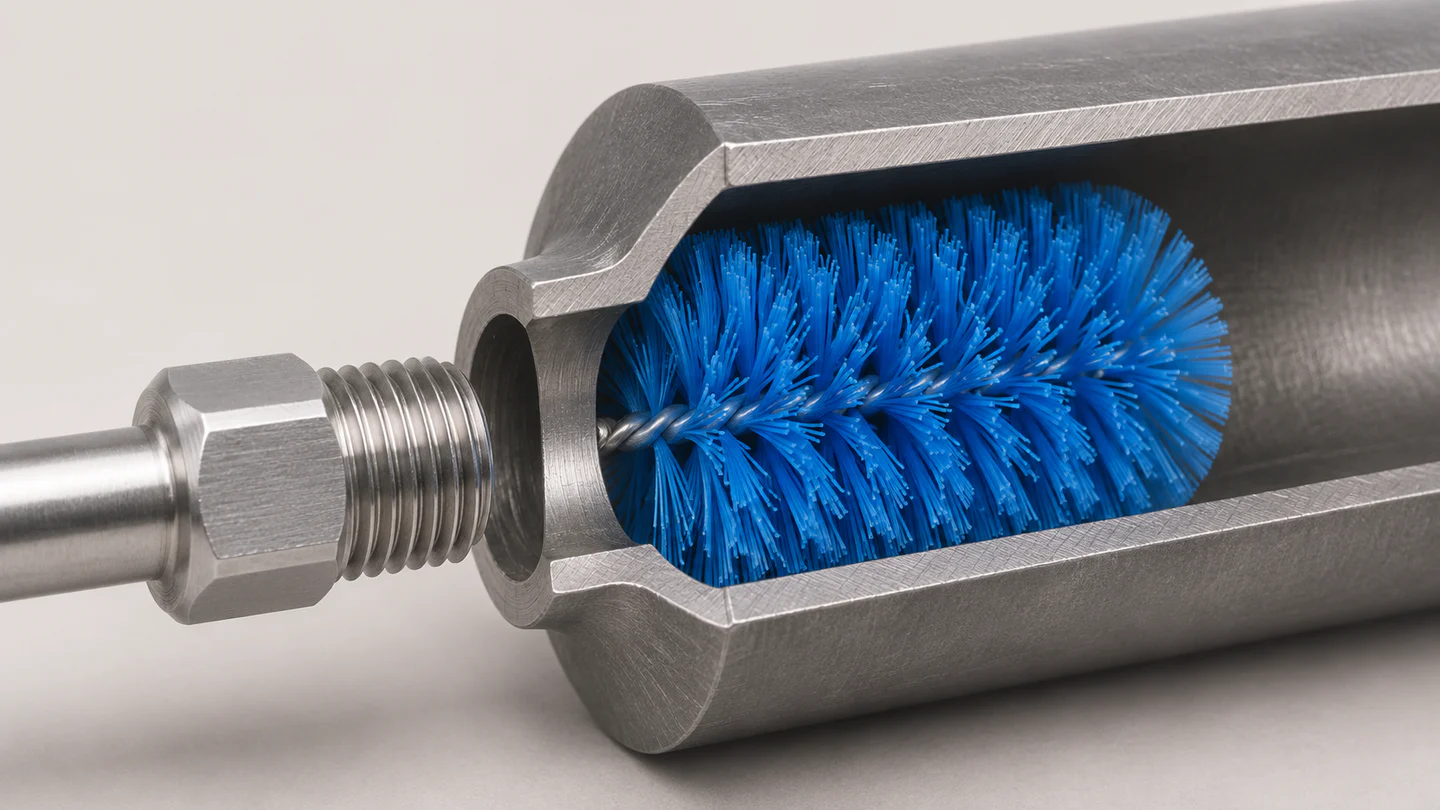
What Size Tube Brush Do I Need? Match the Bore, Entrance and Cleaning Route
Choose tube brush size by the actual bore, entrance, connector and route. Compare smooth, enhanced and curved tubes before requesting a sample.
Read guide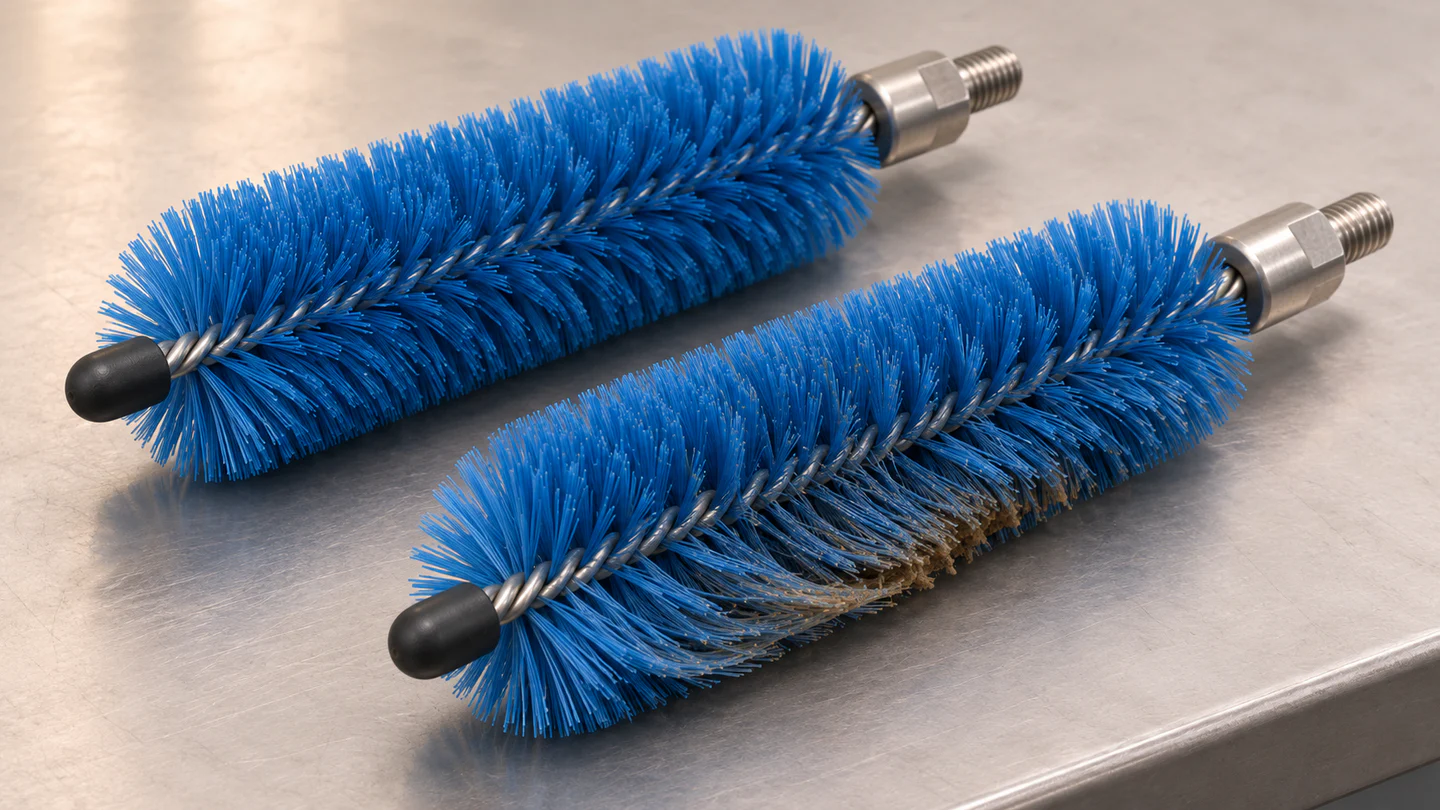
When Should I Replace a Tube Brush That No Longer Cleans Well?
Distinguish worn fill, trapped deposits, damaged tips and a changed cleaning task before buying replacement tube brushes. See the physical signs and storage supports.
Read guide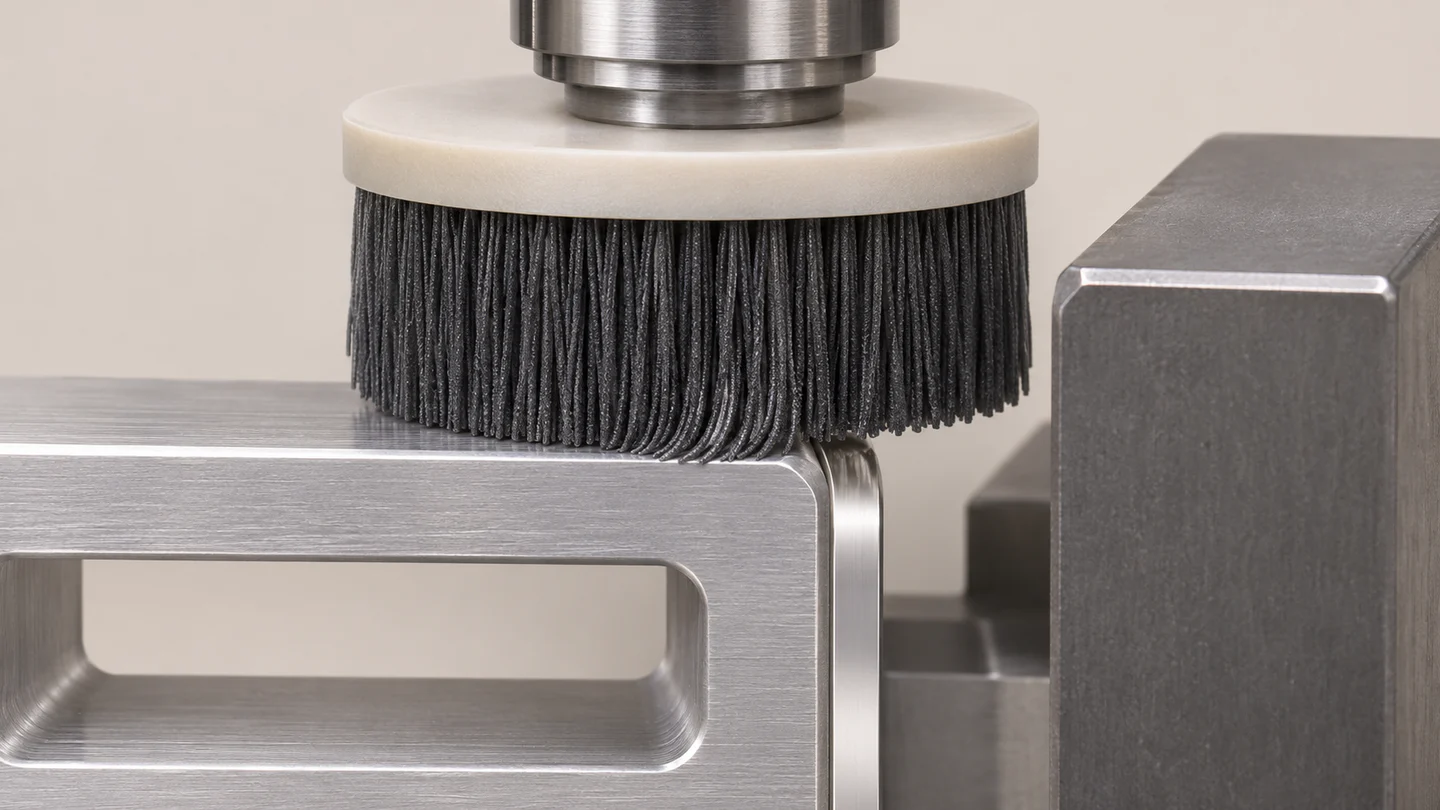
How to Choose a Deburring Disc Brush for the Edge You Actually Need to Finish
Choose a deburring disc brush by burr shape, filament contact, protected surfaces and mounting. Compare two 120 mm abrasive nylon discs and plan a useful trial.
Read guide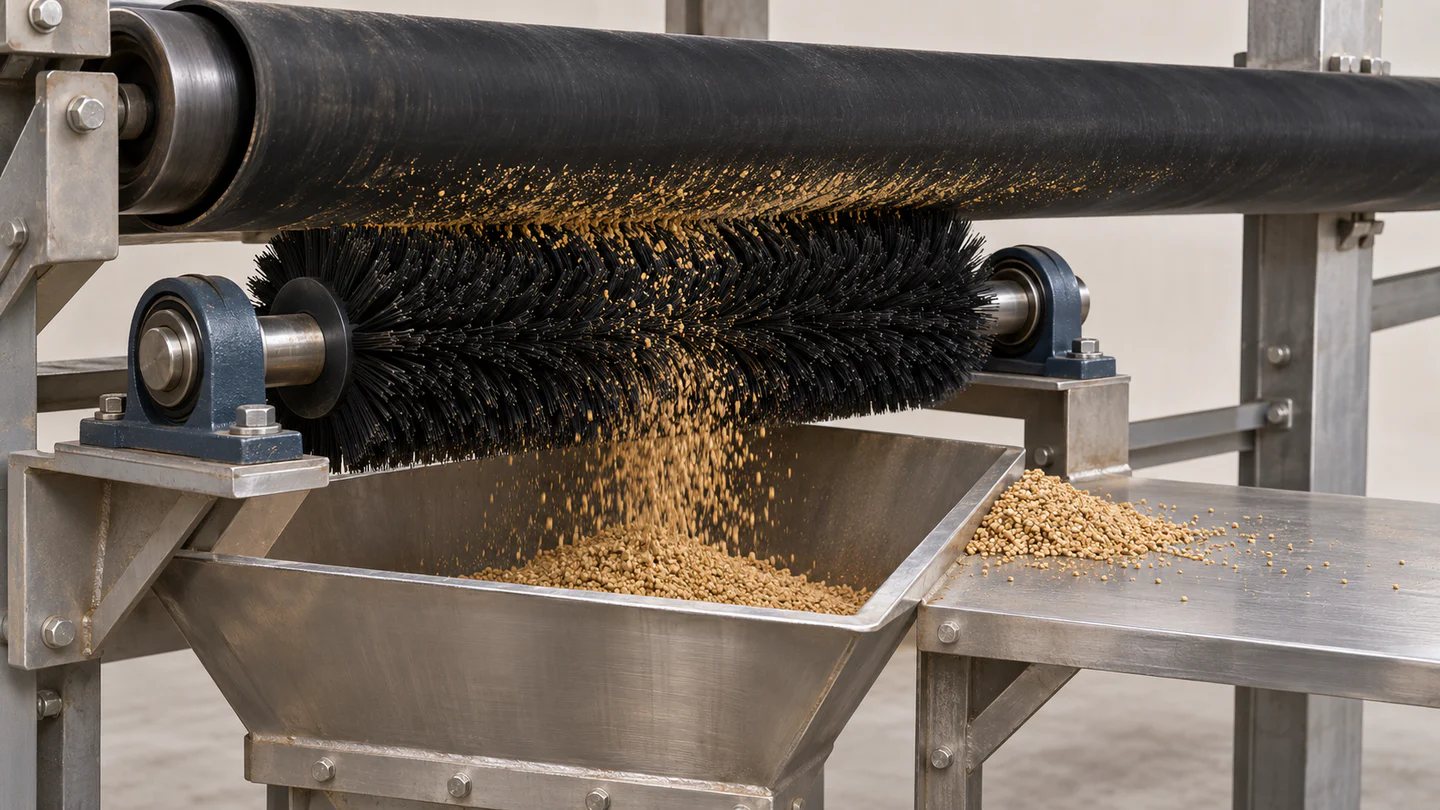
Conveyor Belt Cleaning Brushes: Why Does Residue Remain After the Brush?
Diagnose dirty bands, profiled-belt recesses, damp brush loading and escaped residue before choosing a conveyor cleaning brush and collection layout.
Read guide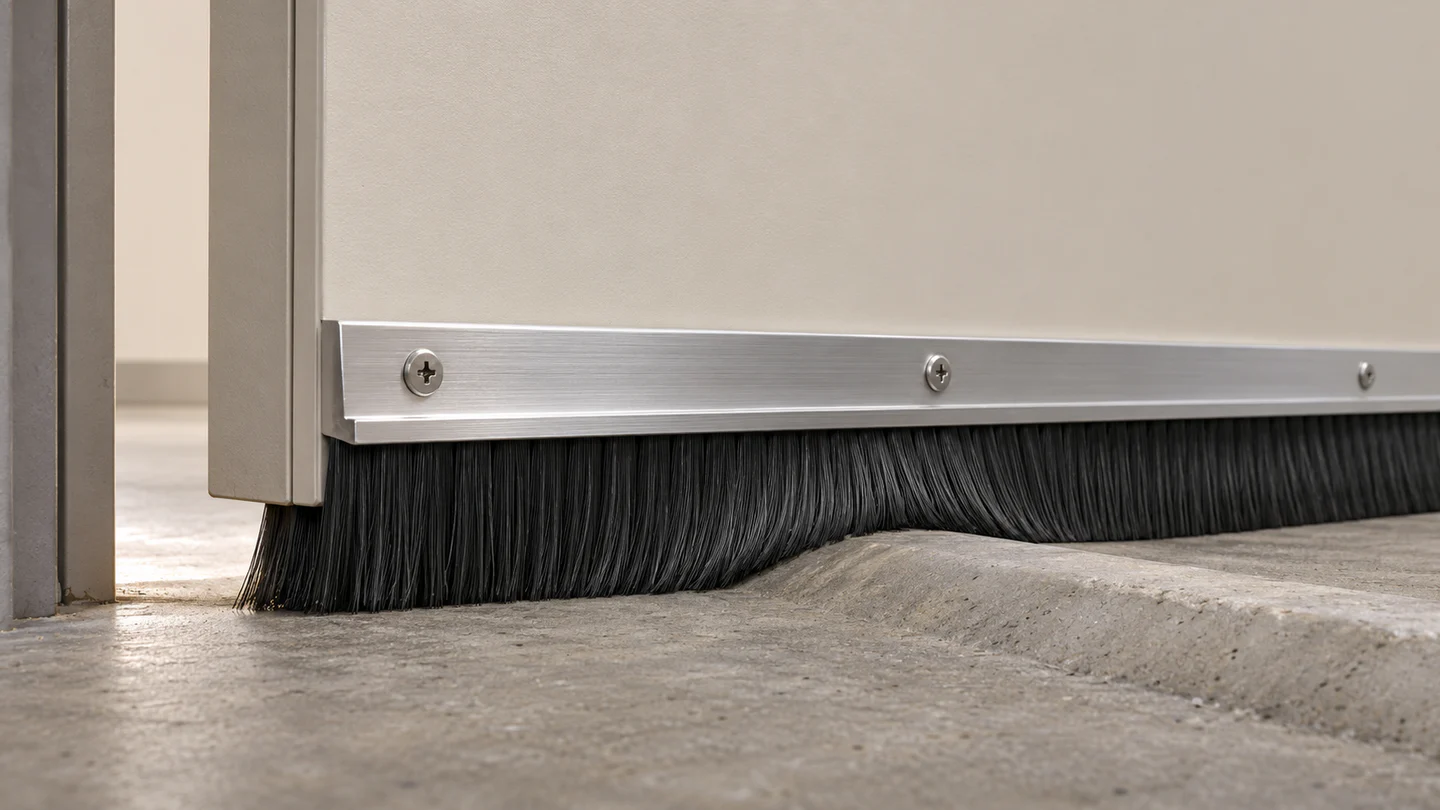
How to Measure an Industrial Door Brush Seal That Reaches the Gap and Lets the Door Move
Measure uneven door gaps, holder offsets and door travel. Choose insert or complete brush-seal supply and order the finished lengths each opening needs.
Read guide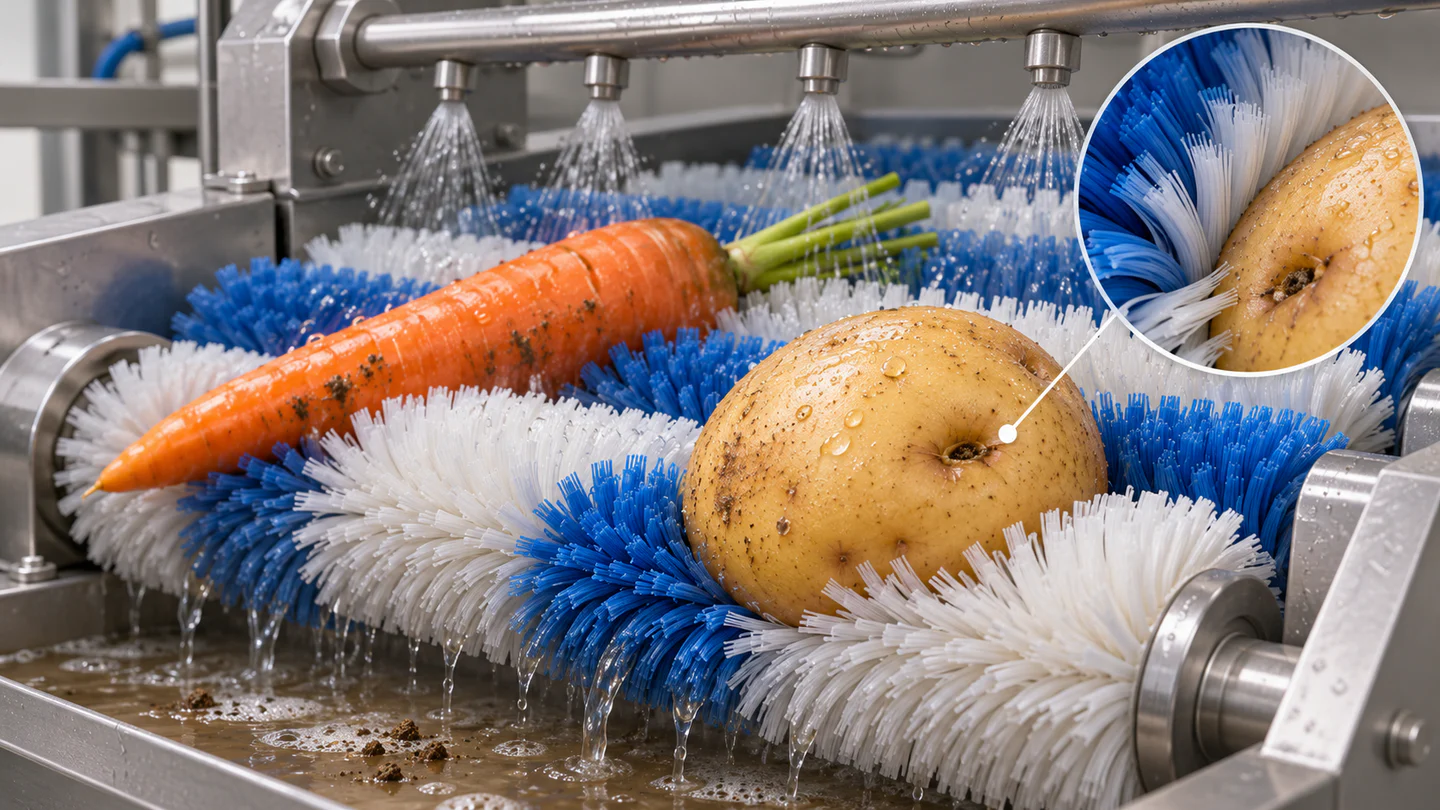
Produce Washing Brush Rollers: Can One Specification Clean Two Crops Without Marking Them?
Choose produce washing rollers by crop variety, soil, skin condition and handling geometry. Compare shared specifications without mistaking clean appearance for intact skin.
Read guide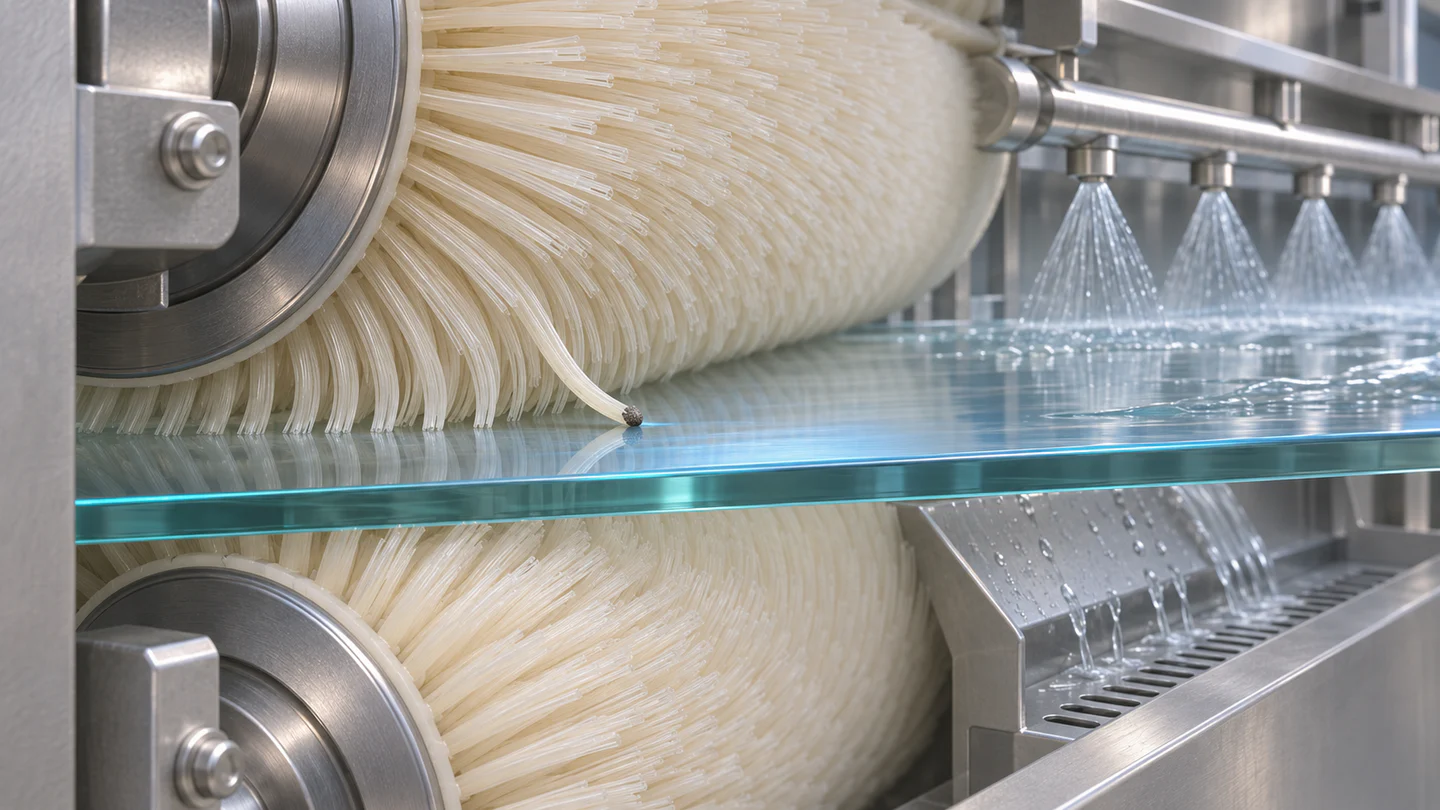
Flat Glass Washer Brushes: Which Surface Is Marked, and Is the Brush Really the Cause?
Map brush positions to glass surfaces and distinguish trapped grit, contact damage and drying streaks before choosing replacement washer rollers.
Read guide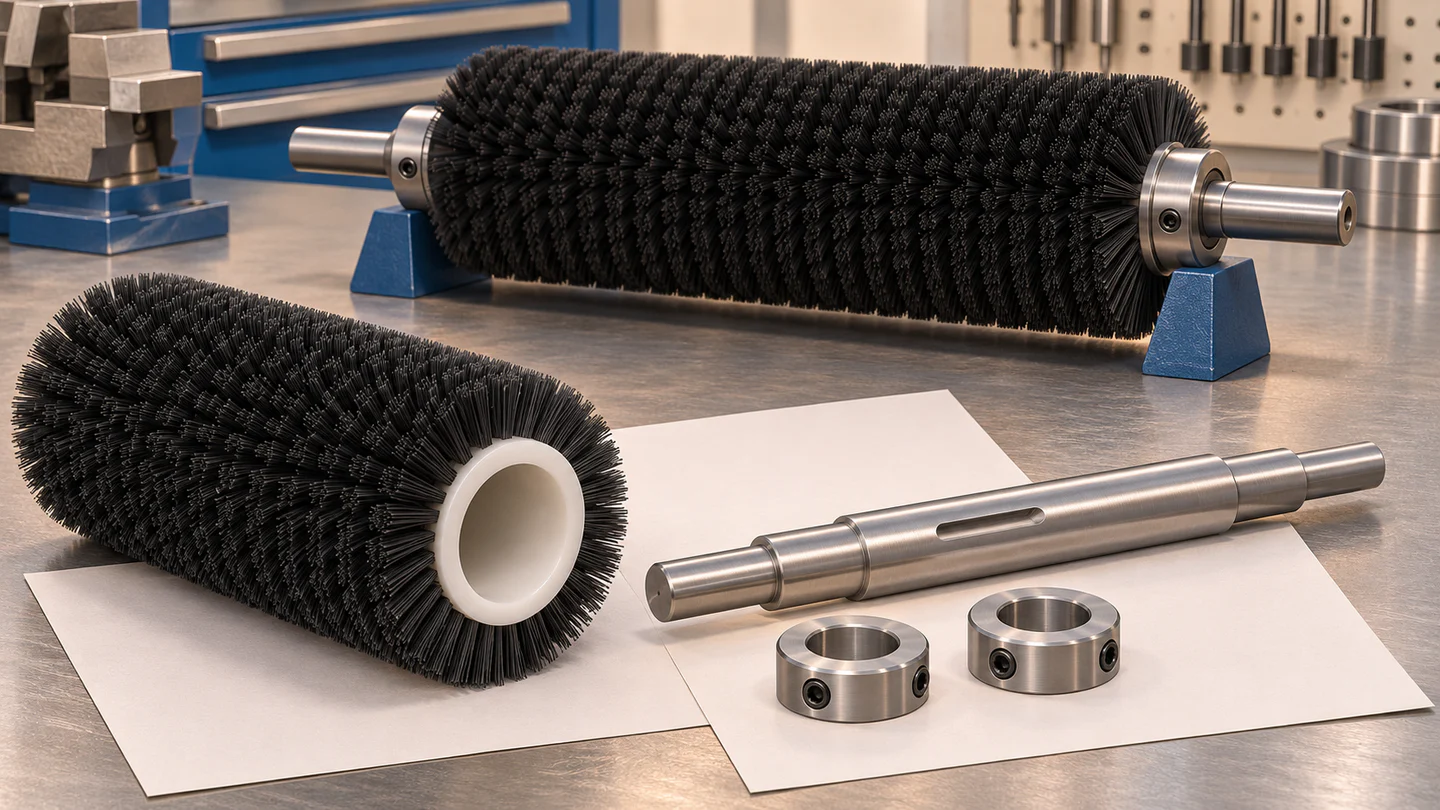
Industrial Brush Quotes: Compare the Parts You Will Actually Receive
Compare industrial brush quotes for the same parts, finished quantities, assembly, packing and delivery scope, with a worked sleeve-versus-assembly calculation.
Read guide