Dense Tufted Nylon Disc Brush with Center Clearance
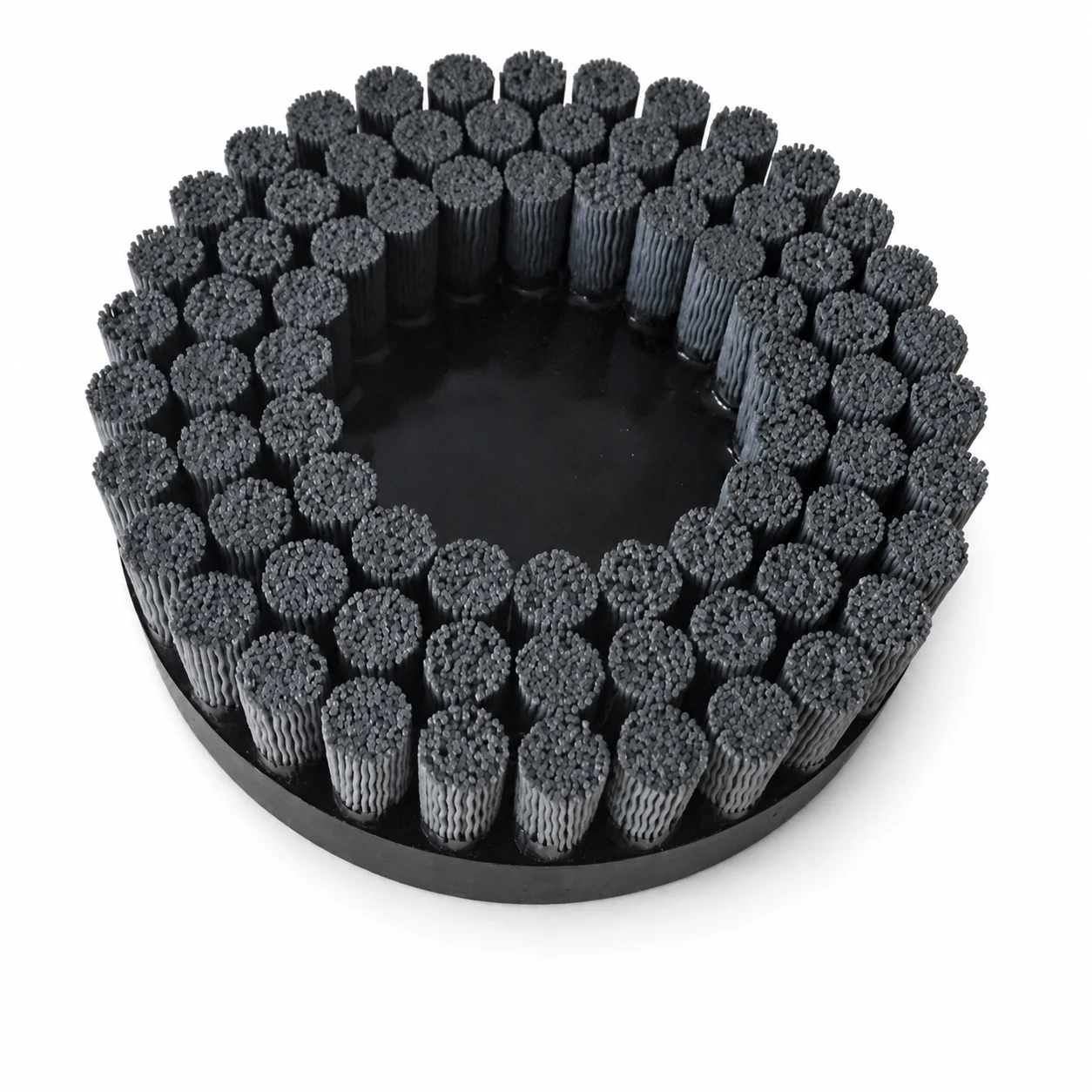
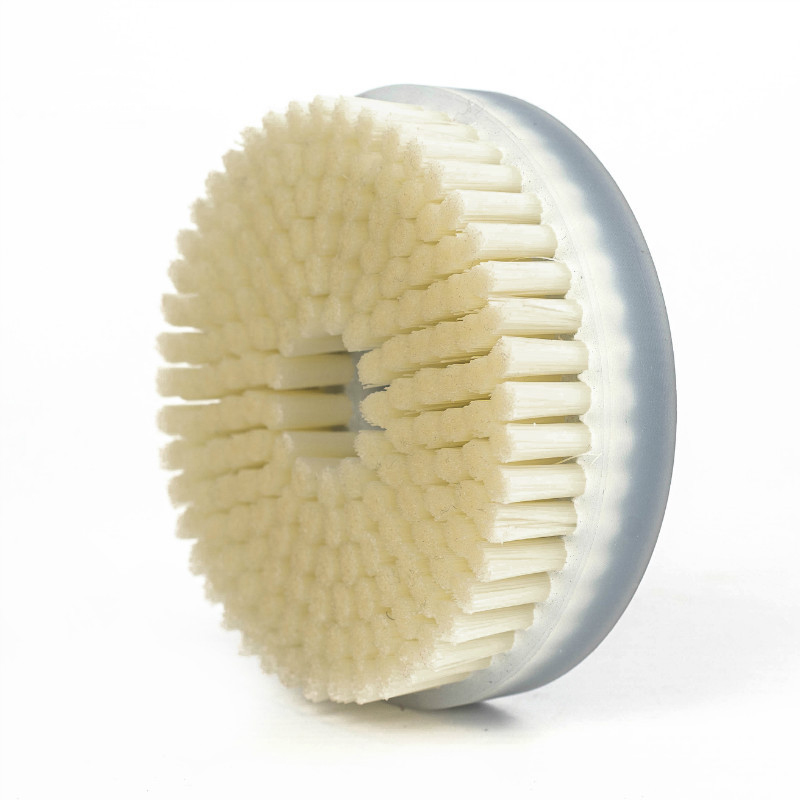
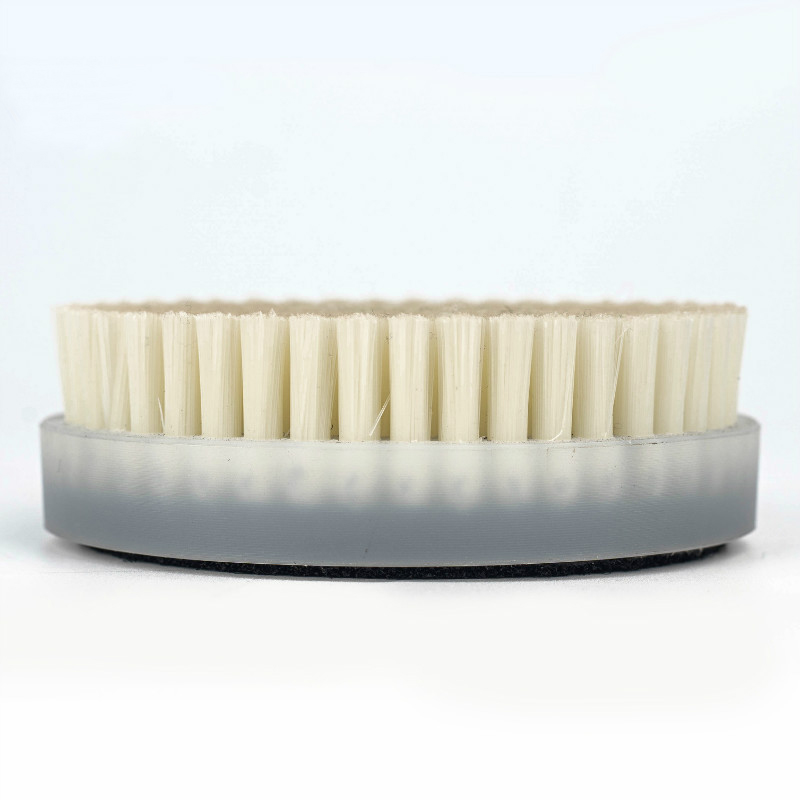
A dense tufted Nylon disc brush with a 200 mm outside diameter, 40 mm fill height and a clear central area.
- SKU
- SB-DS-0005
Product specifications
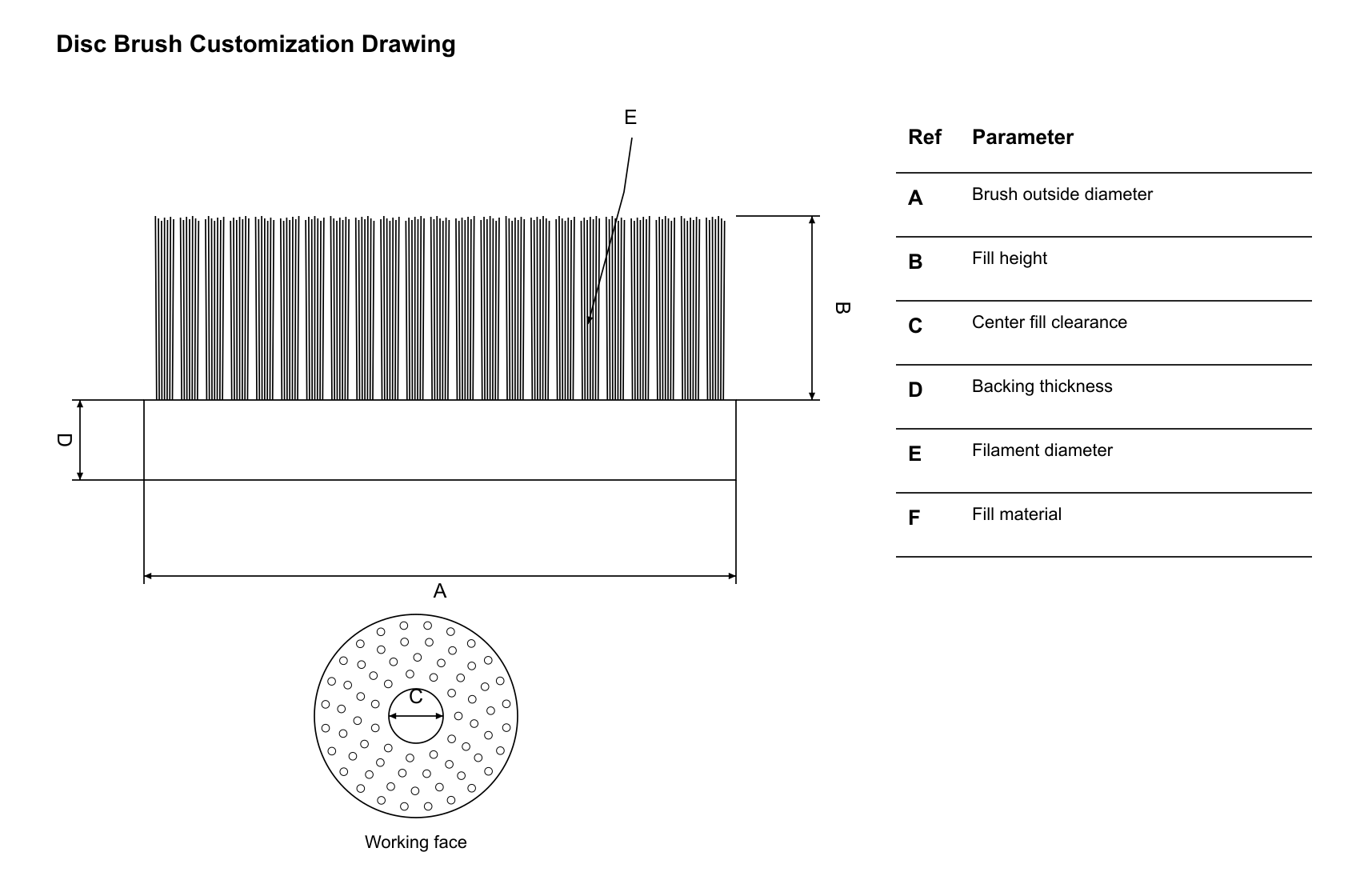
- Brush outside diameter
- 200 mm
- Fill height
- 40 mm
- Center fill clearance
- 35 mm
- Backing thickness
- 30 mm
- Fill material
- Nylon
Starting price for the listed reference and specifications. We confirm your final quote for the required dimensions, material and quantity.
Production estimate10–20 business daysShipping & details
After design approval and the agreed deposit. Schedule confirmed with your order.
Estimated transit
After dispatch, excluding customs clearance. Timing varies by destination.
Samples and one-off builds quoted separately. Freight, duties and taxes excluded.
Published by Rowan · Spirvobrush
Product Overview
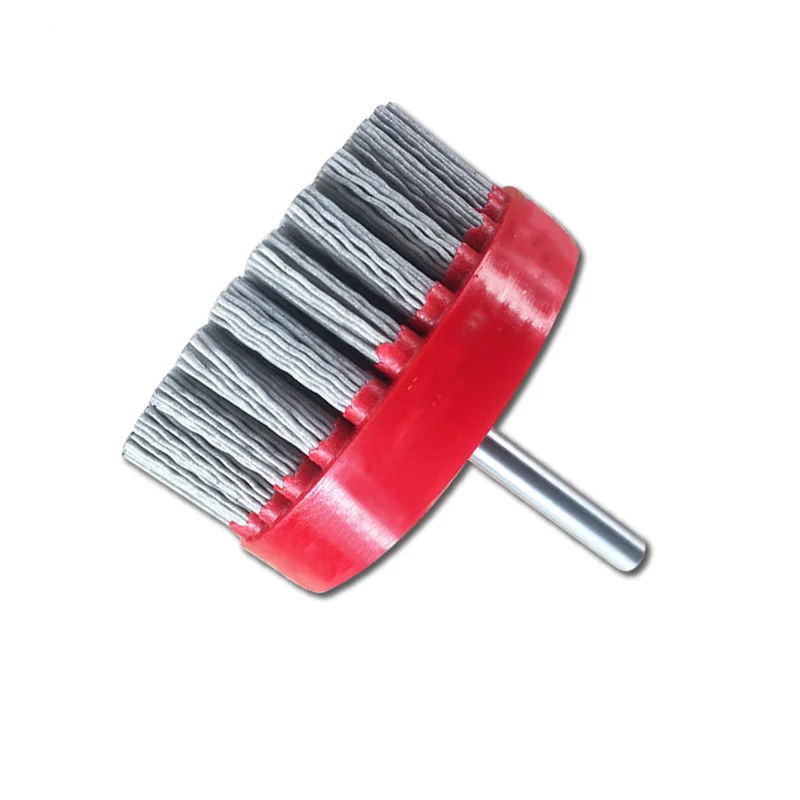
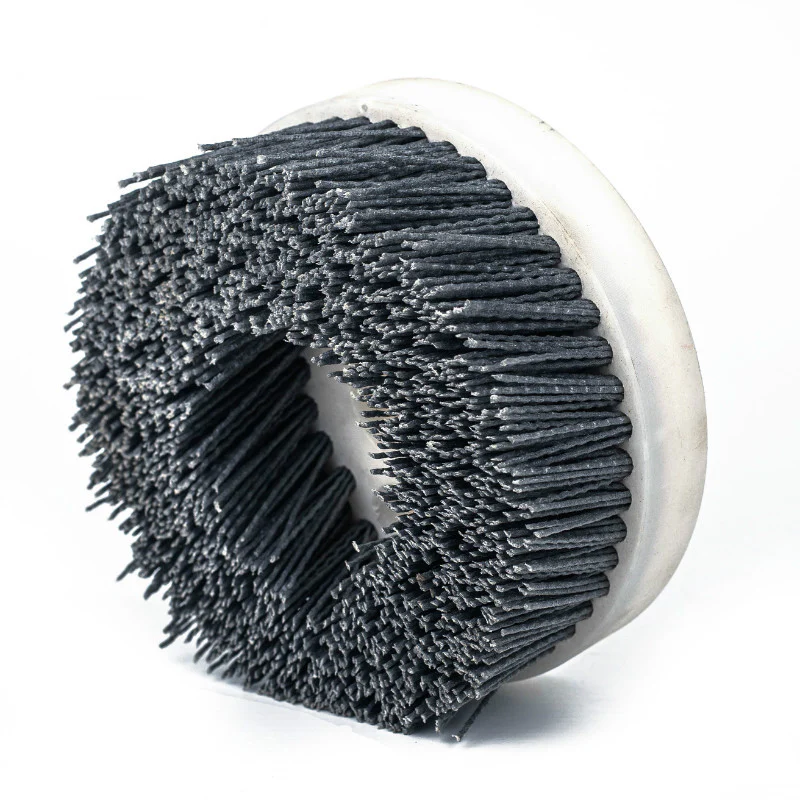
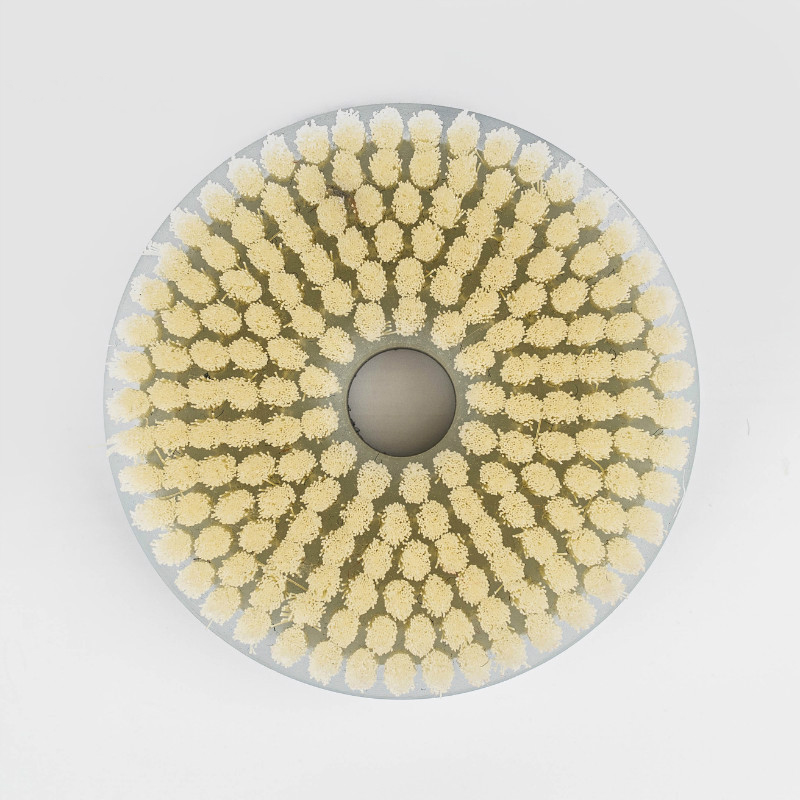
A circular face brush with cream-colored Nylon tufts arranged around a clear central area. The defined tuft pattern leaves spaces between bundles while covering the annular working face. Its 200 mm outside diameter, 40 mm fill height and rigid backing support a configured face-brushing arrangement.
Technical Specifications
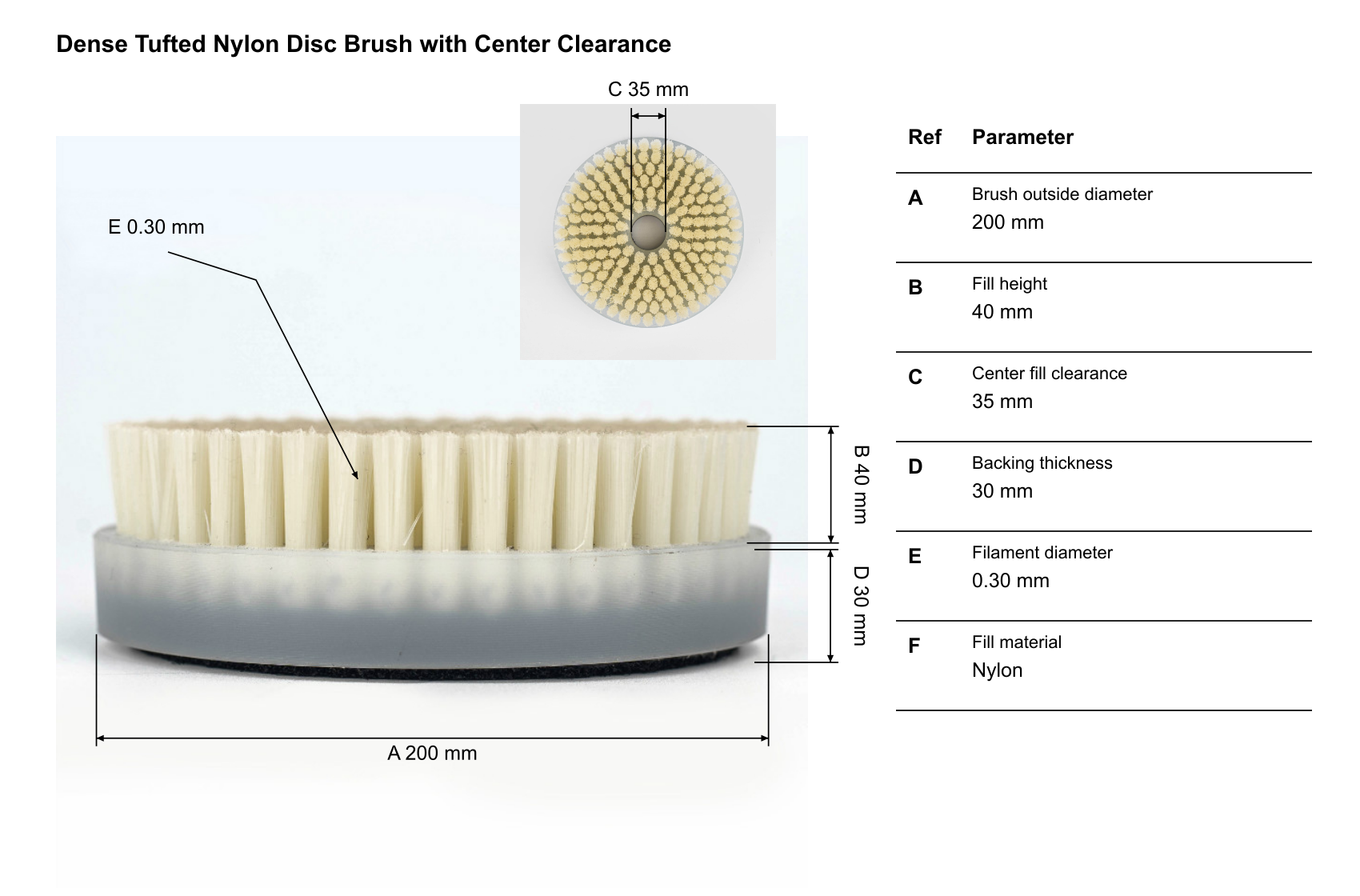
Parameter | Specification |
|---|---|
A — Brush outside diameter | 200 mm |
B — Fill height | 40 mm |
C — Center fill clearance | 35 mm |
D — Backing thickness | 30 mm |
E — Filament diameter | 0.30 mm |
F — Fill material | Nylon |
Fill arrangement | Cream-colored tufts in an annular arrangement |
Backing construction | Rigid circular body |
Product Features
Defined Tuft Pattern
Individual tuft bundles are distributed across the annular face, with visible spaces between bundles.
Nylon Working Fill
The flexible filament bundles provide distributed contact for cleaning compatible surfaces.
Center Fill Clearance
The tuft layout leaves a clear central area within the working face.
Substantial Backing
The circular body supports the tuft roots and separates the working fill from the holder.
Customization
Provide the workpiece material, surface condition, machine holder and required contact area, together with any wet cleaning or chemical exposure conditions.
Specify disc diameter, fill height, backing thickness, filament diameter and the clear area at the center of the fill. Provide the holder drawing to define the mounting interface.
Applications & Operating Conditions
Component Face Cleaning: Brushing accessible flat or gently profiled component surfaces.
Cleaning Fixture Inserts: Replaceable circular brush inserts for compatible supported fixtures.
Wash-Station Brushing: Contact cleaning of suitable parts with an agreed washing solution and exposure conditions.
Loose Particle Removal: Removing loose dust and debris from suitable workpiece surfaces.
Support the backing securely and verify mounting alignment and clearance before use. Apply controlled filament-tip contact, follow the agreed brush and machine speed limits, and avoid excessive pressure that bends the fill against the backing. Check the surface result and compatibility with any heat, moisture or cleaning chemicals on a representative workpiece.
Bulk Order Packaging
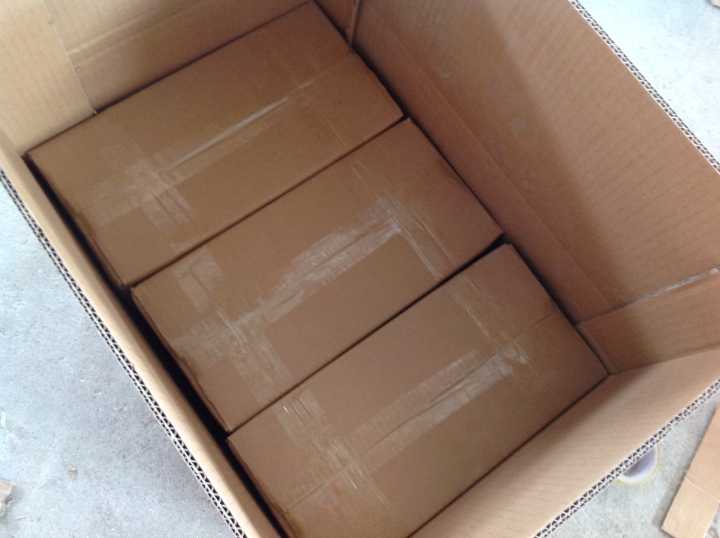
Protect the disc faces and backing edges during storage and transport. Separators or individual wrapping can be arranged to limit contact and prevent prolonged compression of the fill.
Agree carton quantity, configuration labels and transport protection with the order. The image illustrates a generic inner-carton packing method; the final arrangement depends on brush dimensions and shipment quantity.
Product FAQ
Is the working face a continuous solid block of fill?
No. Separate Nylon tuft bundles form the working face around the clear central area. Their layout and density can be configured for the application.
How is fill height measured?
Fill height is measured from the backing surface where the filaments emerge to the working tips. It excludes the backing body and mounting hardware.
Can the dimensions and fill density be customized?
Yes. Specify the required diameter, fill height, filament diameter and contact density, together with the available mounting space.
Can this brush be used with cleaning fluids?
Provide the fluid composition, temperature and exposure time so the Nylon fill and backing can be selected for those conditions. Confirm compatibility in a representative trial.
What operating speed should be used?
Use the rating agreed for the final brush and holder assembly and follow the machine instructions. Establish the contact pressure and process settings through a sample trial.